
penurious
adjectiveDefinition
What Makes This Word Tick
"Penurious" is not just a fancy synonym for frugal. It's the language's way of hinting at someone who's not just careful with money but perhaps a bit stingy, begrudging every penny spent. It gives off a slightly more uptight vibe compared to its less severe cousins like "thrifty."
If Penurious Were a Person…
Imagine Uncle Ebenezer, who insists on writing his checks with the smallest possible ink strokes to save on refills. Always darning socks instead of buying new ones, he'd never dream of springing for name-brand cereal when the store label will do.
How This Word Has Changed Over Time
Originally from the Late Latin "penuriosus," meaning a lack or scarcity, the word "penurious" has shifted over time. Today, it's often used to describe someone who lives in a state of constant cost-cutting that borders on miserly, rather than just merely being poor or needy.
Old Sayings and Proverbs That Use Penurious
While "penurious" might not headline many proverbs, its spirit can certainly be felt in sayings like "Penny-wise, pound-foolish," referring to the short-sightedness of saving money in inconsequential areas while overlooking the bigger expenses.
Surprising Facts About Penurious
The word "penurious" can also be quite the vocabulary booster, cropping up on standardized tests like the SATs. Interestingly, it shares the same Latin root "penuria," which hints at scarcity, as the word "penury," meaning extreme poverty.
Out and About With This Word
In everyday life, you'd find "penurious" lurking in the balance sheet of a penny-pinching neighbor or in a character assessment of certain budget-conscious sitcom dads. It's the word for when "frugal" just doesn't quite cut it.
Pop Culture Moments Where Penurious Was Used
This adjective hasn't starred in many blockbuster scripts but picture its essence in the curmudgeonly Mr. Scrooge from Charles Dickens' "A Christmas Carol." Albeit rarely used directly, the concept often plays out in themes of movies focused on frugality and thrift.
The Word in Literature
"Penurious" sits comfortably within classic English literature, often found describing Dickensian landscapes or characterizing those who cling to their wealth. It's the kind of word you'd expect to find in the richly detailed pages of Victorian novels.
Moments in History with Penurious
Think back to events like the Great Depression, where penury was unfortunately a common theme. Although the word "penurious" itself might not decorate history books from that era, its atmosphere pervaded everyday life.
This Word Around the World
While in English, "penurious" carries connotations of both financial stinginess and poverty, in other languages, its equivalents might lean heavily on one of those angles. For instance, in French, "pénurie" largely denotes scarcity.
Where Does It Come From?
"Penurious" comes from the word "penury" and the Late Latin "penuriosus," crafted from "penuria" meaning scarcity. It highlights how a language can turn a concept of lack into a character trait over centuries.
How People Misuse This Word
People sometimes use "penurious" when they really mean "impoverished" or "poor," missing its connotation of miserly behavior. It's less about how much you have and more about how tightly you hold on to it.
Words It's Often Confused With
- Impecunious: This refers purely to someone without money, without the implication of being miserly.
- Frugal: A positive spin on money-saving, unlike the critical edge of "penurious."
- Miserly: While similar, this word has a more overtly negative tone emphasizing stinginess.
Additional Synonyms and Antonyms
- Synonyms: Stingy, parsimonious, tightfisted.
- Antonyms: Generous, lavish, extravagant.
Want to Try It Out in a Sentence?
Despite his considerable wealth, Harold remained penurious, scrutinizing every grocery store receipt as though it contained state secrets.
Explore more words

humility
[hyoo-mil-i-tee]
the quality of having a modest or low view of one’s importance

prate
[preyt]
to talk excessively and pointlessly; babble

annihilate
[uh-nahy-uh-leyt]
to reduce to utter ruin or nonexistence; destroy utterly

enunciate
[ih-nuhn-see-eyt]
to utter or pronounce (words, sentences, etc.), especially in an articulate or a particular manner

dubious
[doo-bee-uhs]
doubtful; marked by or occasioning doubt

charlatan
[shahr-luh-tn]
a person who pretends or claims to have more knowledge or skill than he or she possesses; quack

defraud
[dih-frawd]
to cheat or deceive someone out of something valuable

summarize
[s-umm-ar-iz-e]
to provide a brief and concise statement of the main points.
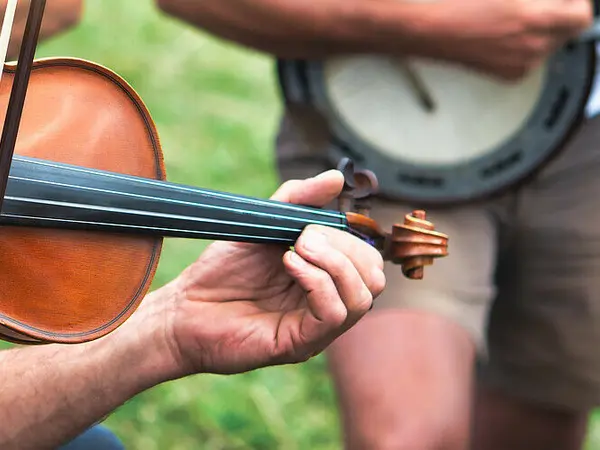
hootenanny
[hoot-n-an-ee, hoot-nan-ee]
a social gathering or informal concert featuring folk singing and, sometimes, dancing
adorned
[ad-orn-ed]
decorated or embellished to make something more attractive.
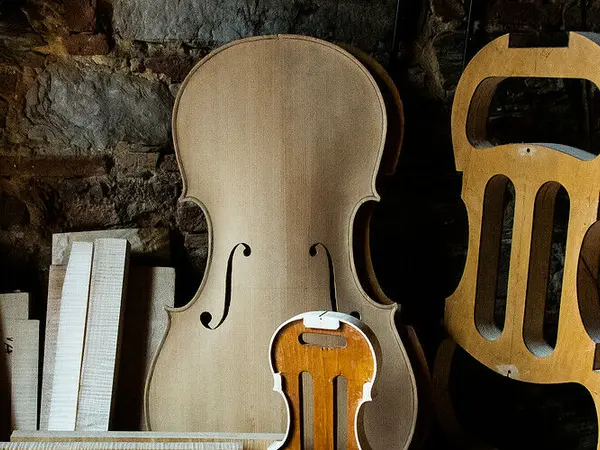
crwth
[krooth]
ancient Celtic instrument that is similar to a violin

pungent
[puhn-juhnt]
sharply affecting the organs of taste or smell, as if by a penetrating power; biting; acrid

bumptious
[buhmp-shuhs]
offensively self-assertive

brash
[brash]
confident in an aggressive or rude way
enunciate
[ih-nuhn-see-eyt]
to state or declare definitely, as a theory

glean
[gleen]
to gather slowly and laboriously, bit by bit