
cackle
nounDefinition
What Makes This Word Tick
A cackle is a sharp, high-pitched laugh that can sound a little wild or harsh. It can also refer to the distinctive noise associated with chickens. The word is vivid because it doesn’t just say “laugh”—it tells you what the laugh feels like to hear.
If Cackle Were a Person…
Cackle would be the person whose laughter bursts out before they can rein it in, turning heads across the room. They’re not trying to be subtle; they’re loud, sudden, and a bit chaotic. Even when it’s funny, there’s an edge that makes the sound memorable.
How This Word Has Changed Over Time
Cackle has long been tied to a particular sound—distinctive, high, and hard to ignore. Over time, it’s been applied not only to animal noises but also to human laughter with a similar sharp quality. That broadened use keeps the word firmly anchored to sound and impression, not just amusement.
Old Sayings and Proverbs
Cackle isn’t a common proverb word, but it matches the proverb-style warning that “noise draws notice.” A cackle is the kind of laugh that announces itself, whether you mean it to or not. The idea is simple: some sounds can’t hide, and cackle is one of them.
Surprising Facts
Cackle is as much about the listener’s reaction as the speaker’s intent—it often suggests the sound is grating or dramatic. It can describe joy, but it doesn’t guarantee warmth; the same laugh can feel playful or unsettling. Because it’s so sound-specific, it paints a scene faster than a longer description would.
Out and About With This Word
You’ll see cackle used in storytelling, conversation, and humor when someone wants to describe a laugh that’s louder and sharper than usual. It also appears in nature or farm contexts for the animal sound sense. In everyday talk, it’s a quick way to say “that laugh had a bite to it.”
Pop Culture Moments Where Cackle Was Used
In pop culture, the cackle concept often belongs to characters who enjoy being a little dramatic—villains, tricksters, or the friend who laughs the loudest at their own joke. The sound signals confidence and mischief in a single beat. It works as an audio cue: you hear it and instantly know the vibe.
The Word in Literature
In literary writing, cackle is a strong sound word that can sharpen mood quickly. It can make a scene feel eerie, comedic, or chaotic depending on context, because the laugh is so distinctive. Writers choose it when “laughed” is too neutral and they want the reader to practically hear the moment.
Moments in History with Cackle
The idea behind cackle fits any historical scene where sound and reputation mattered—crowds reacting, gossip spreading, or public ridicule landing hard. A memorable laugh can shape how a moment is perceived, for better or worse. In that way, the concept connects to social dynamics as much as to the sound itself.
This Word Around the World
Across languages, this idea is usually expressed through words for a “shrill laugh,” a “harsh laugh,” or an animal-like laugh sound. Some languages may use a descriptive phrase rather than a single word, especially to capture the sharp, ringing quality. The key is the same: laughter or noise that stands out and isn’t soft or gentle.
Where Does It Come From?
Your inventory traces cackle to Latin. In modern use, the word stays closely tied to a distinctive kind of sound, which helps explain why it remains so vivid and stable in meaning.
How People Misuse This Word
People sometimes use cackle for any laugh that’s simply loud, even if it isn’t high-pitched or sharp. It can also be used as an insult for a laugh that’s unusual, when the speaker really just means “big laugh.” If the sound isn’t piercing or harsh, a gentler word might fit better.
Words It’s Often Confused With
Giggle is lighter and more playful, usually softer in sound. Cackle is sharper and often carries a wilder edge. Chuckle suggests a low, contained laugh, while cackle feels more sudden and hard to ignore.
Additional Synonyms and Antonyms
Additional Synonyms: guffaw, howl, shriek of laughter, bray Additional Antonyms: hush, stillness, quiet, restraint
Want to Try It Out in a Sentence?
"Her laugh was more of a high-pitched cackle, echoing through the room."
Explore more words

whet
[wet]
to sharpen (a knife, tool, etc.) by grinding or friction

uitwaaien
[out-vahyn]
the Dutch practice of jogging or walking into the wind, especially in the winter, for the purpose of feeling invigorated while relieving stress and boosting one’s general health

caustic
[kaw-stik ]
capable of burning, corroding, or destroying living tissue.

coax
[kohks]
to attempt to influence by gentle persuasion, flattery, etc.; cajole

tergiversate
[tur-ji-ver-seyt]
to repeatedly change one's attitude or opinions with respect to a cause, subject, etc.

analgesic
[an-alg-sic]
something that reduces pain
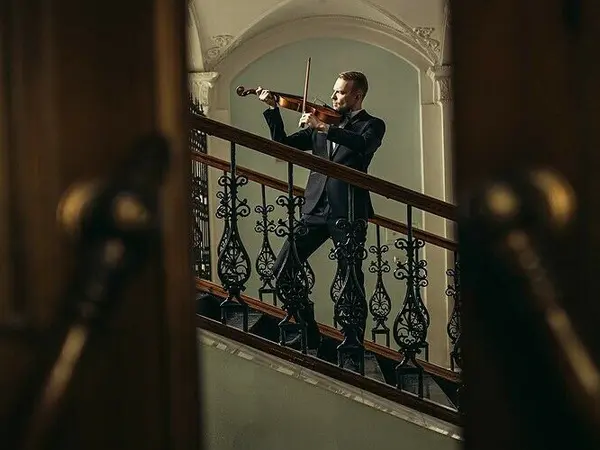
virtuoso
[vur-choo-oh-soh]
a person who excels in musical technique or execution

pithy
[pith-ee]
brief, forceful, and meaningful in expression; full of vigor, substance, or meaning; terse; forcible
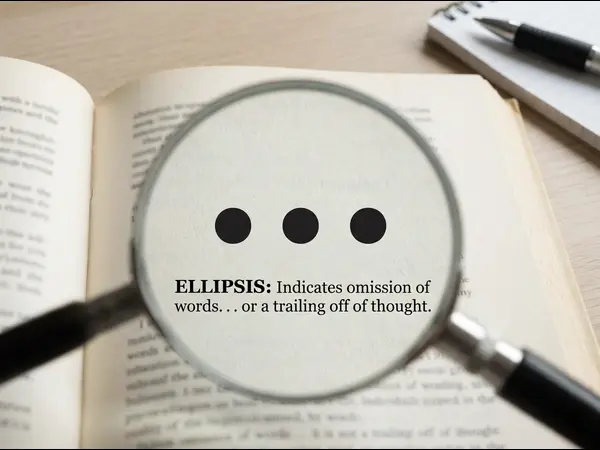
ellipsis
[ih-lip-sis]
omission of one or more words that are obviously understood but must be supplied to make a construction grammatically complete.

circumspect
[sur-kuhm-spekt]
watchful and discreet; cautious; prudent; well-considered

cake
[k-ak-e]
a baked dessert, typically sweet, made with flour, sugar, and other ingredients.

borborygmus
[bawr-buh-rig-muhs]
a rumbling or gurgling noise made by the movement of fluid and gas in the intestines
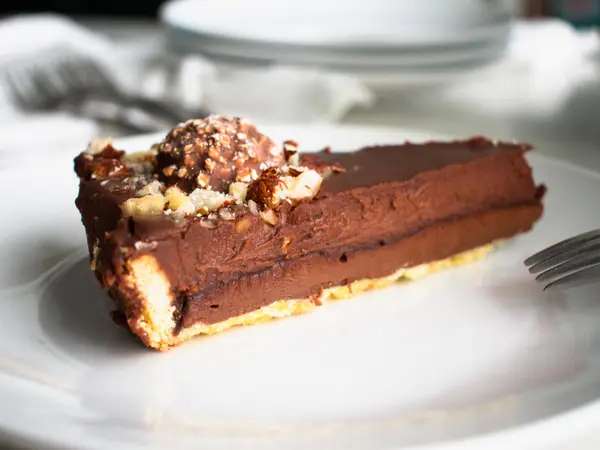
delectable
[dih-lek-tuh-buhl]
delicious

haboob
[huh-boob]
a thick dust storm or sandstorm that blows in the deserts of North Africa and Arabia or on the plains of India
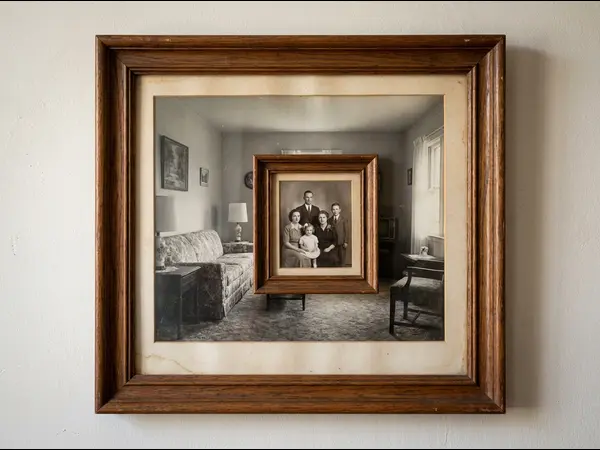
inset
[in-set]
a small picture or map within a larger one

harass
[huh-ras]
to persistently trouble or annoy someone