
pithy
adjectiveDefinition
What Makes This Word Tick
"Pithy" is the concise wordsmith's favorite tool, capturing essence in brevity. It's like a punctuation mark that stops you in your tracks, delivering meaning with a sharp, precise jab-and gets right to the heart of the matter without unnecessary fluff.
If Pithy Were a Person…
Meet Pithy: always the cleverest one at the dinner party, sharing a perfectly timed quip that leaves everyone chuckling. Pithy never rambles, choosing instead to speak with deliberate precision and leaves you with a sense of insight well beyond the length of words.
How This Word Has Changed Over Time
Originally, "pithy" hails from the "pith," the spongy center of a tree branch-a metaphor for that which is central and most significant. Over time, it left the forest aesthetics behind and entered language as a descriptor for short and meaningful expressions.
Old Sayings and Proverbs That Use Pithy
There's a sense of 'pith and marrow' when older generations refer to the essence of life, often appreciating the balance between substance and succinctness through maxims like "Brevity is the soul of wit."
Surprising Facts About Pithy
Pithy, despite its brevity, managed to be the muse for many a bumper sticker and fortune cookie, snuggled into spaces where space is precious but insight is priceless. It's been mingling with advertising slogans and everyday emails alike!
Out and About With This Word
In the digital world, Twitter has turned "pithy" into an art form, with users crafting sharp, incisive commentary in limited characters. This word walks well on the streets of social media where less truly is more.
Pop Culture Moments Where Pithy Was Used
Think of the classic one-liners from movies or comebacks by comedians. They're as pithy as it gets, sticking in your memory like the most infectious hit song because of their clever, concise punch.
The Word in Literature
While expansive novels may seem an unlikely home for "pithy," characters within can wield it like a rapier. Authors like Oscar Wilde and Dorothy Parker are revered for their pithy lines, timeless in their snappy resonance.
Moments in History with Pithy
Imagine Winston Churchill's speeches, where a few well-chosen words could rally nations. Pithy brevity has punctuated history, from diplomatic exchanges to political slogans, echoes of their impact resonating far longer.
This Word Around the World
In French, "concise" captures a similar sentiment to our beloved "pithy," while in Japanese, 簡潔 ("kanketsu") emphasizes clarity and succinctness. Across cultures, brevity accompanied by wisdom resonates globally.
Where Does It Come From?
"Pithy" stems from Old English "piþa," relating to the vital, soft tissue of plants, metaphorically extending to language as the vital core. It's as if it picks the best fruit from the verbal tree, leaving only the ripest bites.
How People Misuse This Word
When people confuse "pithy" with mere simplicity, they lose its nuance. Pithy isn't just short-it's sharp and significant. Misusing it to describe the ineloquent or simplistic does it a disservice.
Words It's Often Confused With
- Brief: Both are short, but brief may lack the punch and depth.
- Terse: Often has a connotation of rudeness or abruptness, unlike the wise charm of pithy.
- Succinct: Similar efficiency, but without the inherent cleverness or wit.
Additional Synonyms and Antonyms
Synonyms include concise, compact, and laconic. Antonyms might be verbose or prolix, which prefer to take the scenic route with plenty of stops.
Want to Try It Out in a Sentence?
"Her pithy remark at the meeting summed up what everyone else was thinking, but couldn't quite say so elegantly."
Explore more words

bibliopole
[bib-lee-uh-pohl]
a person who buys and sells books, especially rare ones

intellectual
[in-tuh-lek-choo-uhl]
a person possessing a highly developed ability to think, reason, and understand; relating to the intellect

cultivation
[k-ult-iv-ashun]
the act of preparing land for growing crops; also refers to refining or improving skills or manners.
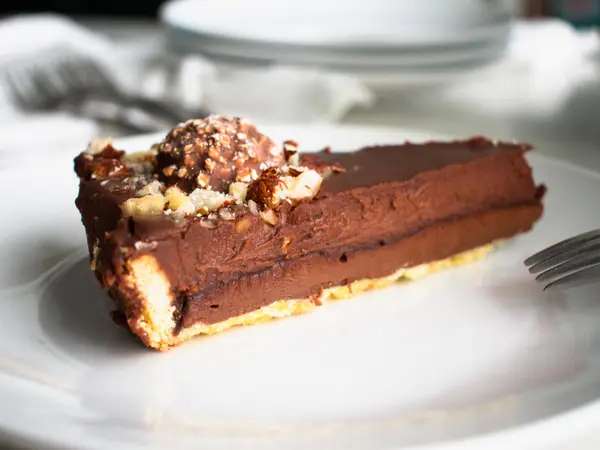
delectable
[dih-lek-tuh-buhl]
delightful; highly pleasing; enjoyable

borborygmus
[bawr-buh-rig-muhs]
a rumbling or gurgling noise made by the movement of fluid and gas in the intestines
flibbertigibbet
[flib-er-tee-jib-it]
a frivolous, flighty, or excessively talkative person

binding
[bahyn-ding]
tying or securing something; obligatory

rapprochement
[rap-rohsh-mahn]
an establishment or resumption of harmonious relations

ichor
[ahy-kawr]
from Classical Mythology: the blood of the gods
delectable
[dih-lek-tuh-buhl]
delicious

gurn
[gurn]
make a comically or repulsively ugly face

cinematic
[sin-uh-mat-ik]
having to do with movies, as either an industry or an art form

effulgent
[ih-fuhl-juhnt]
shining forth brilliantly; radiant

manavelins
[muh-nav-uh-linz]
miscellaneous pieces of gear and material

diaphanous
[dahy-af-uh-nuhs]
very sheer and light; almost completely transparent or translucent

zealous
[zel-uhs]
full of, characterized by, or due to zeal; ardently active, devoted, or diligent