
flowery
adjectiveDefinition
What Makes This Word Tick
Flowery can mean literally decorated with flowers, but it also describes language or style that’s overly elaborate. The second sense is about verbal ornament—extra flourishes that can feel showy or dramatic. Compared with descriptive, flowery suggests “too much decoration,” not just vivid detail.
If Flowery Were a Person…
Flowery would be the storyteller who can’t resist adding ribbons and sparkles to every sentence. They mean well and sound impressive—until the point gets buried under decoration. You remember the flourish, but you might have to search for the message.
How This Word Has Changed Over Time
Flowery began with an obvious visual link to flowers and floral decoration, then broadened to describe ornate expression, especially in speech and writing. Modern use often leans mildly critical when it refers to language. The core idea of “flower-like ornament” has stayed consistent.
Old Sayings and Proverbs
A proverb-style idea that matches flowery is that fancy words can distract from plain truth. This reflects the meaning because flowery style adds ornament that may feel excessive compared with simple clarity.
Surprising Facts
Flowery is often used as a critique of style, especially when writing feels decorated but not clearer. It can describe visuals (a flowery dress) and rhetoric (flowery compliments), but the shared idea is ornamentation. The word tends to signal that simplicity would be more effective.
Out and About With This Word
You’ll see flowery in writing feedback, speech critiques, and descriptions of patterned clothing or decor. It fits when someone wants to point out extra flourish—visual or verbal—that may be more decorative than necessary. The tone can be playful or disapproving, depending on context.
Pop Culture Moments Where Flowery Was Used
In pop culture, flowery language often appears in exaggerated romance, grand speeches, or comedic over-politeness where the charm is in the over-the-top wording. That reflects the definition because the style is elaborate enough to feel dramatic or excessive.
The Word in Literature
In literature, flowery is often used to comment on voice and style—either to criticize overwrought prose or to portray a character who speaks with excessive flourish. Writers choose it when they want ornament to feel like a layer that competes with meaning. For readers, the word flags that the language is dressed up, perhaps more than the moment needs.
Moments in History with Flowery
Throughout history, the concept behind flowery style appears in eras and settings where public speaking and formal writing rewarded ornament and display. It fits because audiences sometimes valued elaborate expression as a sign of refinement, even when clarity suffered. The definition connects directly: the “flowers” are rhetorical decoration or literal floral embellishment.
This Word Around the World
Across languages, this idea is usually expressed through words meaning “ornate,” “overly embellished,” or “full of flourishes,” and the nuance can be literal (floral patterns) or rhetorical (decorated speech). Expression varies because some languages keep separate terms for floral decoration and embellished language.
Where Does It Come From?
Flowery builds on flower, with a suffix that suggests “full of” or “characterized by,” making it a natural label for both floral decoration and decorated style. Its origin mirrors its meaning: ornament that looks or sounds like a bouquet.
How People Misuse This Word
Flowery is sometimes used for any descriptive writing, but it specifically implies overly elaborate style. If language is vivid yet clear and controlled, vivid or expressive may be more accurate. Flowery suggests the decoration is starting to take over.
Words It’s Often Confused With
Flowery is often confused with poetic, but poetic can be deliberate and effective, while flowery implies excess. It’s also close to ornate, which overlaps strongly but may sound more neutral and design-focused. Florid is a near twin in the rhetorical sense, often emphasizing over-decoration in language.
Additional Synonyms and Antonyms
Additional Synonyms: overwrought, embellished, grandiloquent, purple Additional Antonyms: restrained, straightforward, crisp, plainspoken
Want to Try It Out in a Sentence?
"His flowery language made the speech feel overly dramatic."
Explore more words

chasten
[chey-suhn]
to inflict suffering upon for purposes of moral improvement; chastise

pipe
[p-ip-e]
a hollow tube used for transporting liquids, gases, or sounds; also refers to a musical instrument.

glean
[gleen]
to collect or gather anything little by little or slowly
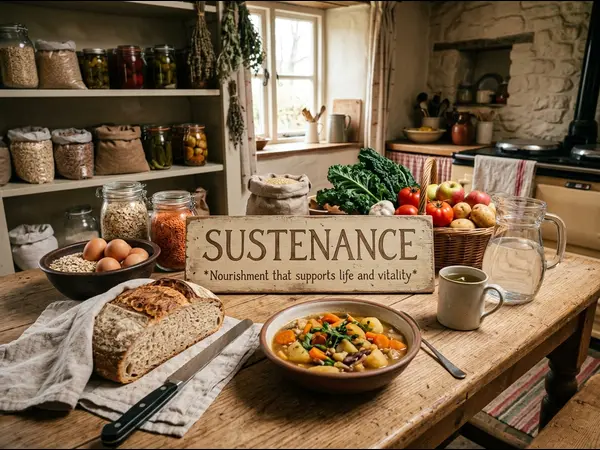
sustenance
[suhs-tuh-nuhns]
food or drink regarded as a source of strength or nourishment

allege
[uh-lej]
to assert without proof

inoculate
[ih-nok-yuh-leyt]
to implant (a disease agent or antigen) in a person, animal, or plant to produce a disease for study or to stimulate disease resistance

satirical
[suh-tir-i-kuhl]
of, pertaining to, containing, or characterized by satire

crime
[krahym]
an illegal act for which someone can be punished by the government
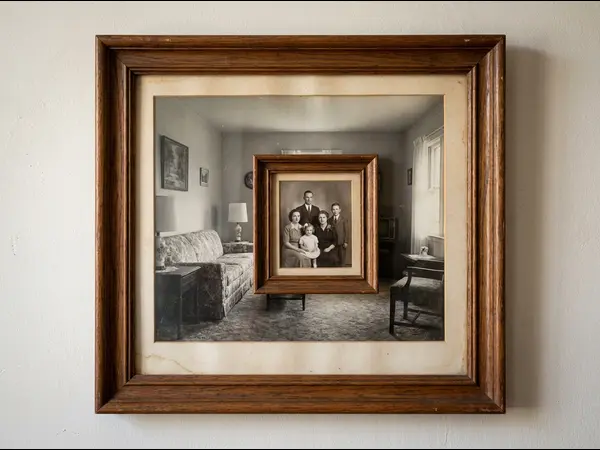
inset
[in-set]
a small picture or map within a larger one

functional
[fuhngk-shuh-nl]
designed to be practical and useful
cabal
[kuh-bal]
a small group of secret plotters, as against a government or person in authority

pithy
[pith-ee]
brief, forceful, and meaningful in expression; full of vigor, substance, or meaning; terse; forcible
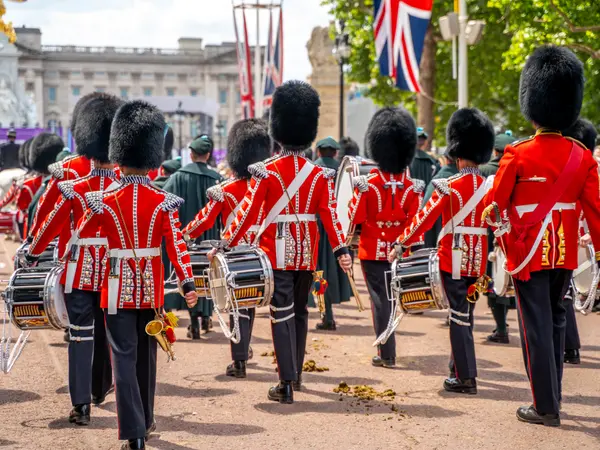
jubilee
[joo-buh-lee]
the celebration of any certain anniversaries, as the twenty-fifth (silver jubilee), fiftieth (golden jubilee), or sixtieth or seventy-fifth (diamond jubilee)

brawl
[br-awl-awl]
a rough or noisy fight or quarrel.
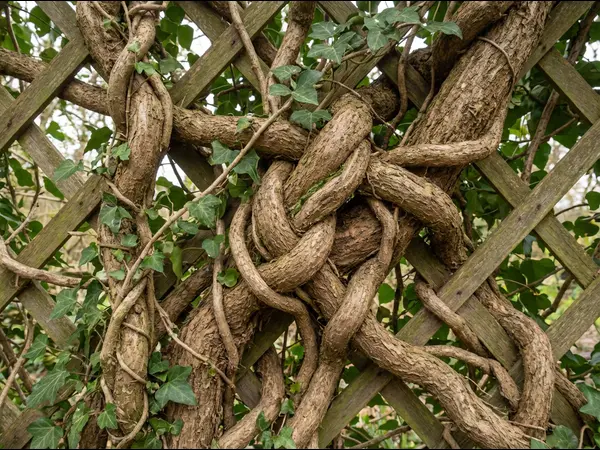
entwine
[en-twyn]
to twist or coil something around another

malign
[muh-lahyn]
to speak harmful untruths about; speak evil of; slander; defame