
hindrance
nounDefinition
What Makes This Word Tick
Hindrance refers to anything that slows progress or stands in the way of a goal. It belongs to situations where movement, work, or success meets resistance. The word highlights interruption rather than complete failure.
If Hindrance Were a Person…
Hindrance would be the obstacle standing squarely in a traveler’s path. They do not always stop the journey entirely, but they make every step harder. Their presence forces others to slow down or change direction.
How This Word Has Changed Over Time
Hindrance has consistently referred to something that delays or blocks progress. Its meaning remains closely tied to the idea of interference or obstruction in both physical and metaphorical situations.
Old Sayings and Proverbs
A proverb-style idea that fits hindrance is that every road contains stones that slow the traveler. The thought reflects how obstacles can appear even in otherwise smooth journeys.
Surprising Facts
Hindrance can refer to both tangible barriers like broken equipment and intangible ones like doubt or confusion. This flexibility allows it to describe many kinds of setbacks.
Out and About With This Word
You will hear hindrance in conversations about work delays, blocked plans, technical problems, and everyday inconveniences that slow progress. It appears wherever something stands in the way.
Pop Culture Moments Where Hindrance Was Used
Stories often revolve around characters overcoming hindrances that block their goals. These obstacles create tension and give characters something meaningful to struggle against.
The Word in Literature
In literature, hindrance frequently appears when describing barriers to ambition or movement. Writers use it to emphasize the challenge characters must overcome.
Moments in History with Hindrance
Historical accounts often describe hindrances such as harsh weather, broken supply lines, or political resistance that slowed major events.
This Word Around the World
Most languages have words for obstacles that delay progress, reflecting the universal experience of encountering barriers.
Where Does It Come From?
Hindrance comes from the verb hinder, which traces back to Old English hindrian meaning to hold back or block. The suffix -ance turns the action into a noun describing the obstacle itself.
How People Misuse This Word
People sometimes apply hindrance to minor inconveniences, but the word works best when something truly delays or obstructs meaningful progress.
Words It’s Often Confused With
Obstacle is similar but often implies a physical barrier, while hindrance can also refer to intangible setbacks like confusion or bureaucracy.
Additional Synonyms and Antonyms
Additional Synonyms: encumbrance, snag, setback Additional Antonyms: boost, advantage, assistance
Want to Try It Out in a Sentence?
"The broken elevator was a major hindrance for residents in the building."
Explore more words

hazy
[hey-zee]
lacking distinctness or clarity; vague; indefinite; obscure; confused

pellucid
[puh-loo-sid]
allowing the maximum passage of light, as glass; translucent; clear

innate
[ih-neyt]
inherent in the essential character of something

upbraid
[uhp-breyd]
to find fault with or reproach severely; censure

gallant
[gal-uhnt ]
brave, spirited, noble-minded, or chivalrous

truncate
[truhng-keyt]
to shorten by cutting off a part; cut short

puerile
[pyoo-er-il]
childishly foolish, immature, or trivial

frightening
[fryt-ning]
causing fear or alarm

palatable
[pal-uh-tuh-buhl]
acceptable or agreeable to the mind or feelings
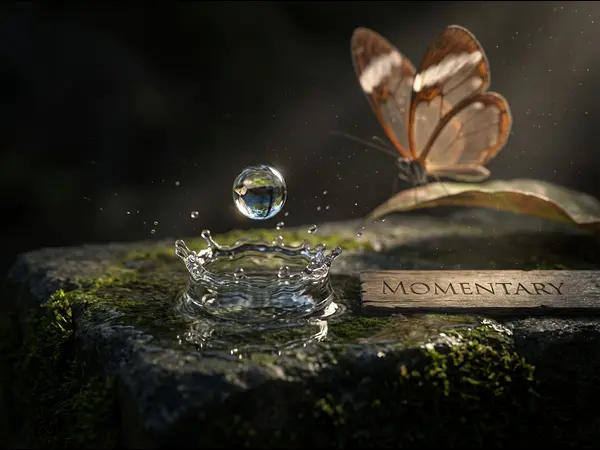
momentary
[moh-muhn-ter-ee]
lasting for a very short time

dilatory
[dil-uh-tawr-ee]
tending to delay or procrastinate; slow; tardy

amorous
[am-oro-ous]
showing love, particularly sexual

sartorial
[sahr-tawr-ee-uhl]
of or relating to tailors or their trade

suffuse
[suh-fyooz]
to overspread with or as with a liquid, color, etc.
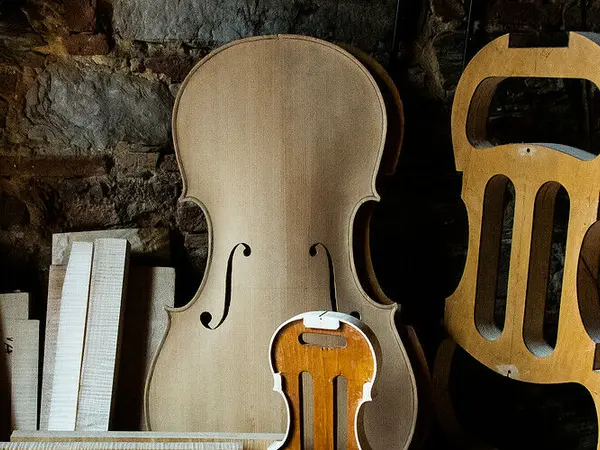
crwth
[krooth]
ancient Celtic instrument that is similar to a violin

impetuous
[im-pech-oo-uhs]
moving forcefully or rapidly