
frightening
adjectiveDefinition
What Makes This Word Tick
Frightening describes something that causes fear or alarm. It fits moments when a situation, image, sound, or thought makes you feel unsafe or intensely uneasy. Compared with surprising, frightening adds a threat-feel—your mind shifts into caution mode.
If Frightening Were a Person…
Frightening would be the stranger who enters a room and makes everyone fall quiet. They don’t have to shout; their presence alone raises your pulse. You instinctively watch them, waiting for the next move.
How This Word Has Changed Over Time
Frightening has stayed closely tied to provoking fear, with the -ing form emphasizing an active effect on others. Over time, it’s been used for both real dangers and imagined ones, but the core idea remains the same: it produces alarm.
Old Sayings and Proverbs
A proverb-style idea that matches frightening is that fear can make small things feel bigger than they are. That fits because frightening experiences often amplify threat in the mind.
Surprising Facts
Frightening is about impact: something can be frightening even if it never actually harms anyone. The word works for both sudden scares and slow-building dread, as long as fear is the result. It often pairs naturally with nouns like scene, moment, experience, or thought.
Out and About With This Word
You’ll hear frightening in everyday reactions to intense news, risky situations, or unsettling experiences, and in reviews of suspenseful entertainment. It’s a flexible adjective for anything that makes people feel alarmed. The tone can range from casual to serious depending on context.
Pop Culture Moments Where Frightening Was Used
In pop culture, frightening moments often appear when a character faces a looming threat, realizes they’re not safe, or sees something they can’t explain. That mirrors the definition because the point is the fear response, not just surprise.
The Word in Literature
In literary writing, frightening is used to tighten atmosphere and raise stakes, signaling that a scene is meant to provoke fear. It can describe events, discoveries, or even a character’s inner thoughts, as long as the effect is alarm. For readers, the word often cues tension: something is wrong and it matters.
Moments in History with Frightening
The concept behind frightening fits any moment when people confront real danger or uncertainty that sparks widespread alarm. It applies not because of a specific event name, but because fear becomes the defining experience.
This Word Around the World
Most languages have a straightforward way to express “causing fear,” though some distinguish between startling fear and deeper dread. The best match depends on whether the emphasis is on shock, threat, or sustained alarm.
Where Does It Come From?
Frightening is built from frighten, which traces back to older English roots connected to fear, and the -ing ending highlights an active, fear-causing quality. The origin matches the modern sense closely.
How People Misuse This Word
Frightening is sometimes used for anything merely unpleasant, but it specifically involves fear or alarm. If something is just annoying or uncomfortable, those words are more accurate.
Words It’s Often Confused With
Frightening is often confused with startling, but startling can be brief surprise without lasting fear. It also overlaps with disturbing, which can mean upsetting or unsettling even without clear alarm. Terrifying is a stronger intensity level than frightening, implying more extreme fear.
Additional Synonyms and Antonyms
Additional Synonyms: spine-chilling, scary-making, fear-inducing, unnerving Additional Antonyms: heartening, easing, settling, reassuring
Want to Try It Out in a Sentence?
"The frightening movie kept the audience on the edge of their seats."
Explore more words

guileless
[gahyl-lis]
free from guile; sincere; honest; straightforward; frank
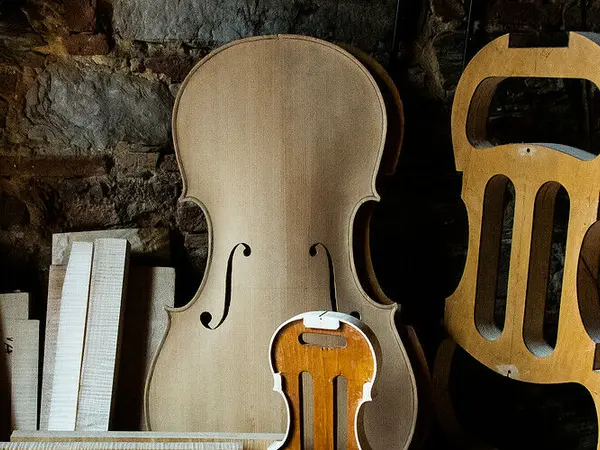
crwth
[krooth]
ancient Celtic instrument that is similar to a violin

soporific
[sop-uh-rif-ik]
causing or tending to cause sleep

bespeak
[bih-speek]
to suggest or be evidence of something
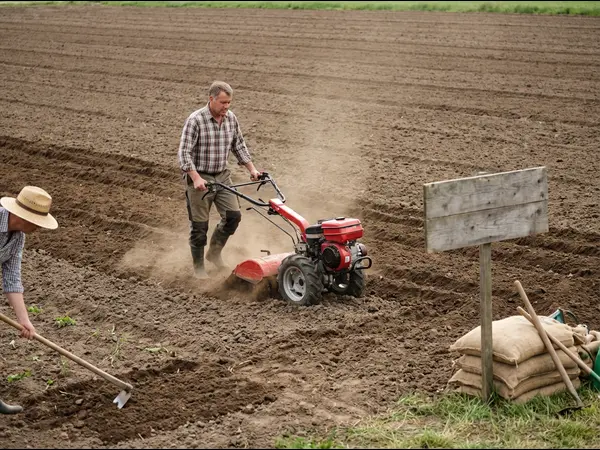
cultivation
[k-ult-iv-ashun]
the act of preparing land for growing crops; also refers to refining or improving skills or manners.
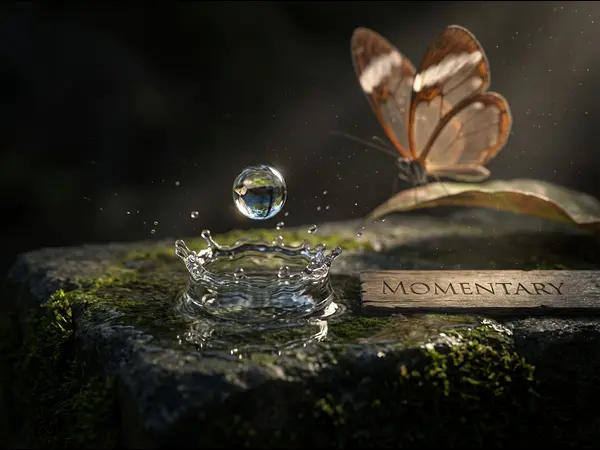
momentary
[moh-muhn-ter-ee]
lasting for a very short time

waft
[waft]
to carry lightly and smoothly through the air or over water

gallant
[gal-uhnt ]
brave, spirited, noble-minded, or chivalrous
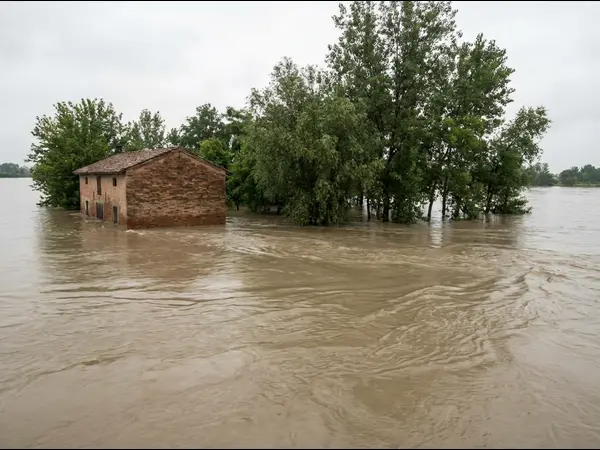
engulf
[en-guhlf]
to flow over and enclose; to overwhelm.
kith
[kith]
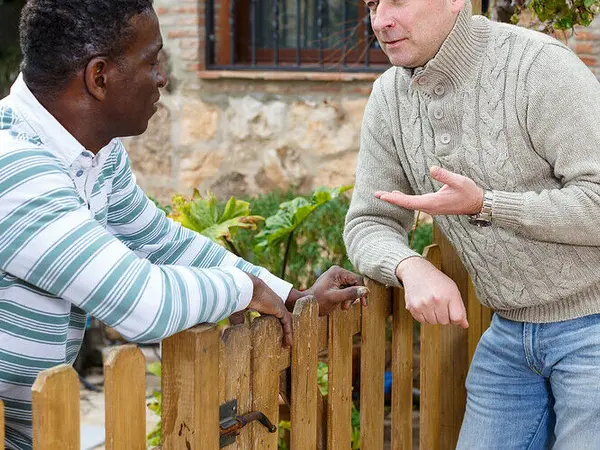
acquaintances, friends, neighbors, or the like; persons living in the same general locality and forming a more or less cohesive group

loll
[lol]
to recline or lean in a relaxed, lazy, or indolent manner; to lounge
sustenance
[suhs-tuh-nuhns]
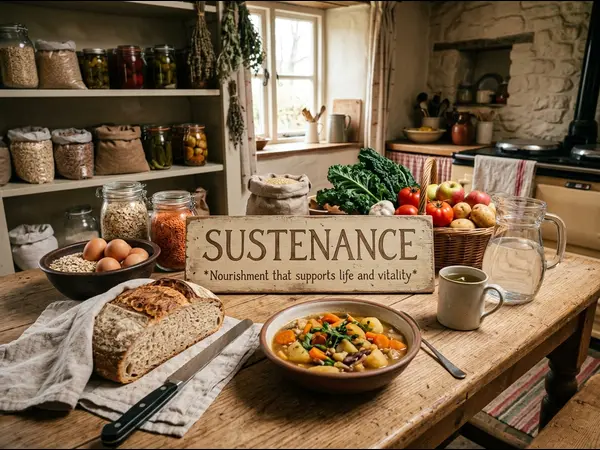
food or drink regarded as a source of strength or nourishment
exert
[ex-ert-ert]
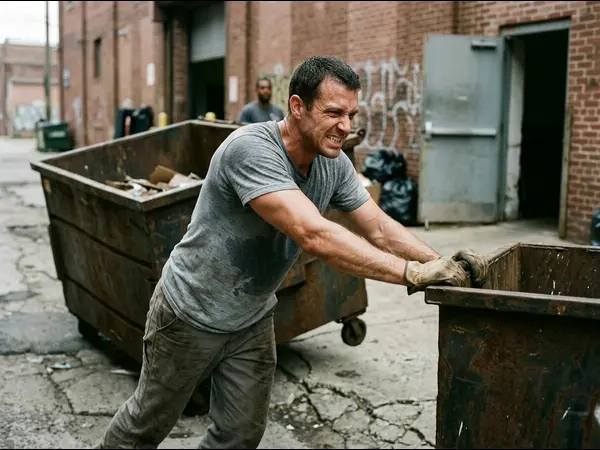
to put something into use

jubilant
[joo-buh-luhnt]
showing great joy, satisfaction, or triumph; rejoicing; exultant
jocund
[jok-uhnd]
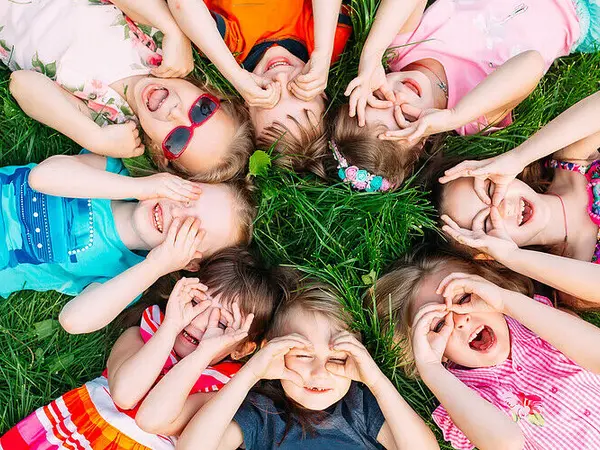
cheerful; merry; blithe; glad
fatuous
[fach-oo-uhs]
foolish or inane, especially in an unconscious, complacent manner; silly; witless