
bandage
AdjectiveDefinition
What Makes This Word Tick
A “bandage” is a strip of material used to cover and protect a wound. The word carries a practical, caring vibe: it implies shielding something vulnerable so it can heal. Compared with “cover,” bandage suggests a specifically protective wrap meant for injury.
If Bandage Were a Person…
Bandage would be the quietly helpful friend who shows up with supplies and steadies the moment. They’re not dramatic; they’re reliable. Their whole personality is “protect, support, and move on.”
How This Word Has Changed Over Time
The central meaning—material used to protect a wound—has stayed consistent. What changes more is the form and context, from simple wraps to more specialized coverings, while the idea remains the same.
Old Sayings and Proverbs
A proverb-style idea that matches this word is that quick care now prevents bigger trouble later. That reflects what a bandage does: it’s immediate protection that supports healing.
Surprising Facts
“Bandage” often implies both protection and restraint—it doesn’t just cover, it can help hold things steady. In everyday speech, it also shows up metaphorically for quick fixes, because a bandage is a practical stopgap that helps you get through the moment. The word tends to feel concrete and action-oriented, even when used figuratively.
Out and About With This Word
You’ll see “bandage” in first-aid contexts, health conversations, and any situation where someone has a cut or scrape. It’s also common in instructions—apply, wrap, replace—because it’s a tool you use, not just a thing you notice. The word fits whenever the purpose is covering and protecting a wound.
Pop Culture Moments Where Bandage Was Used
In pop culture, bandages are visual shorthand for “someone got hurt but kept going.” They appear in comeback scenes, training arcs, and moments of tough-it-out determination. That works because a bandage signals injury, care, and continuation all at once.
The Word in Literature
In literary writing, “bandage” is a small detail that can carry emotional weight—someone caring for another, or someone patching themselves up alone. It can sharpen realism by grounding a scene in the body and its limits. Writers also use it as a symbol of temporary repair when something deeper still needs time.
Moments in History with Bandage
Throughout history, the concept of a bandage appears wherever people dealt with injury and needed practical protection—worksites, travel, daily life, and emergencies. It matters because basic wound care can reduce harm and support recovery when resources are limited. The idea fits any human setting where people protect wounds so healing can begin.
This Word Around the World
Across languages, the concept is commonly expressed with words meaning “wrap,” “dressing,” or “wound covering.” Some languages distinguish between the material itself and the act of wrapping, while English often uses “bandage” for the object. Either way, the meaning stays anchored to protection and care.
Where Does It Come From?
The origin notes connect it to French words for a “strip,” which matches the straightforward physical reality of a bandage. That lineage makes sense because the object is literally a strip used for wrapping.
How People Misuse This Word
People sometimes call any covering a “bandage,” but a bandage is specifically meant to protect a wound. If it’s just packaging, a cloth, or a random wrap with no injury context, “covering” or “wrap” may be more accurate. It’s also worth remembering that a bandage protects—it doesn’t automatically heal the underlying issue.
Words It’s Often Confused With
“Bandage” is often confused with “gauze,” but gauze is a material that may be used as part of a bandage. It also overlaps with “dressing,” which is broader and can include antiseptic layers and specialized coverings. “Wrap” is more general and doesn’t necessarily imply a wound.
Additional Synonyms and Antonyms
Additional Synonyms: plaster, compress, covering Additional Antonyms: bare, exposed, uncovered
Want to Try It Out in a Sentence?
"She wrapped a clean bandage around the cut to keep it protected."
Explore more words
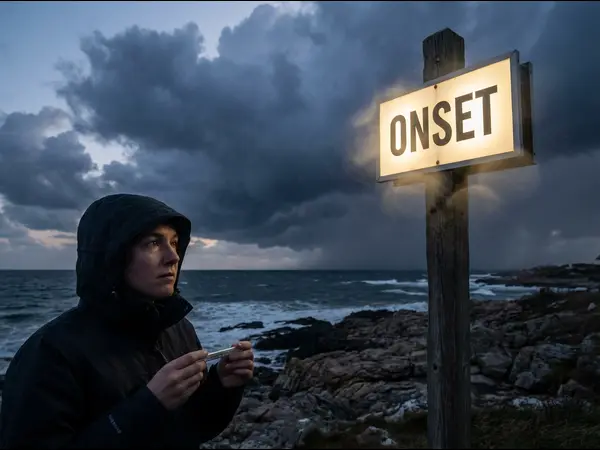
onset
[on-set-set]
the early stages of something
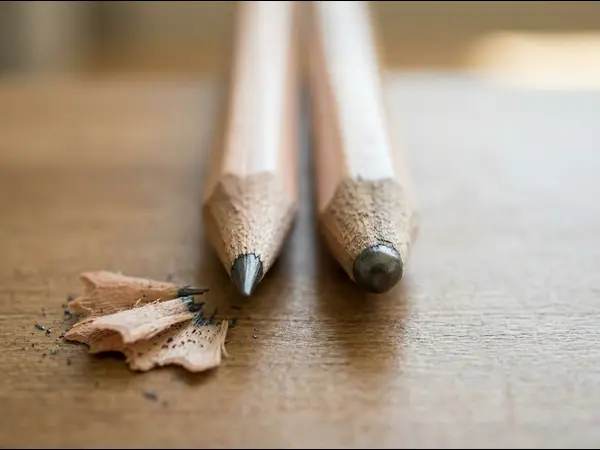
blunt
[bluhnt]
having a dull edge or being straightforward

orotund
[awr-uh-tuhnd]
(of the voice or speech) characterized by strength, fullness, richness, and clearness

antisocial
[ant-is-ok-ial]
avoiding social interaction or behaving in a way that is harmful to society.
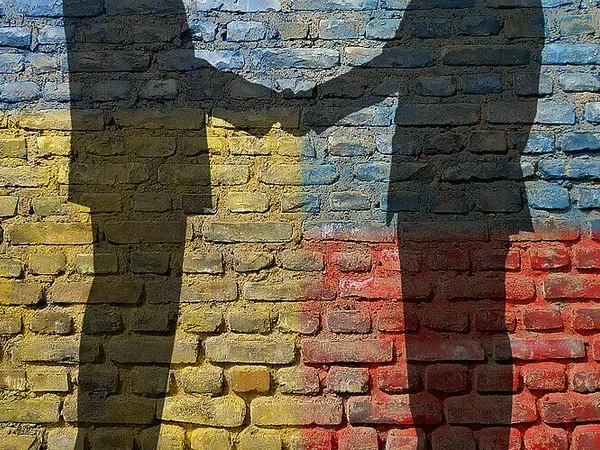
rapprochement
[rap-rohsh-mahn]
an establishment or resumption of harmonious relations

boastful
[b-oastf-ul]
showing excessive pride or self-satisfaction in one’s achievements or possessions.

legerdemain
[lej-er-duh-meyn]
sleight of hand; trickery

skittish
[skit-ish]
restlessly or excessively lively

pretermit
[pree-ter-mit]
to let pass without notice; disregard

brace
[brays]
a device used to support or hold something in place

plethora
[pleth-er-uh]
overabundance; excess

submerged
[suhb-murjd]
plunged into water or other fluid.

matutinal
[muh-toot-n-l]
pertaining to or occurring in the morning; early in the day

entreat
[en-treet ]
to ask (a person) earnestly; beseech; implore; beg

arty
[ahr-tee]
pretentious or overly interested in artistic pursuits

revel
[rev-uhl]
to take great pleasure or delight