
hodgepodge
nounDefinition
What Makes This Word Tick
"Hodgepodge" is one of those delightful words that just sounds like what it means-a messy mix of things! It paints a colorful picture of delightful chaos, making it clear you're dealing with a jumble of unrelated parts. It's the perfect word for a dish that combines ingredients found on the last day before a grocery run or that drawer filled with miscellaneous odds and ends.
If Hodgepodge Were a Person…
If hodgepodge were a person, they'd be that friend who hosts last-minute potluck dinners where random guests bring mismatched dishes. Their home would be a whimsical gallery of eclectic decor, each piece with its own story. They're full of surprises, a little quirky, and definitely never boring.
How This Word Has Changed Over Time
Originally "hotchpotch" in Middle English, the word evolved into "hodgepodge" as language does, with a playful twist. Its meaning hasn't fundamentally changed-it still signifies a mix-but the spelling shift gives it extra charm.
Old Sayings and Proverbs That Use Hodgepodge
While there aren't ancient proverbs specifically featuring "hodgepodge," the concept fits into several folksy sayings about mixing or togetherness, like "variety is the spice of life," which celebrates embracing delightful diversity.
Surprising Facts About Hodgepodge
The term originally referred to a dish of blended meats and vegetables in the 14th century. Essentially, hodgepodge might have been one of the first one-pot meals that brought together whatever was available-a culinary survival skill!
Out and About With This Word
You'll often find "hodgepodge" lending charm to art reviews describing eclectic exhibits or to travel pieces showcasing markets brimming with varied goods. It's a frequent guest in lifestyle sections, where it can describe anything from a jam-packed flea market to an impromptu music mashup event.
Pop Culture Moments Where Hodgepodge Was Used
"Hodgepodge" frequently pops up in pop culture to describe chaotic yet endearing situations, like in TV series episodes where characters' lives hilariously mishmash together. It's a word that embraces delightful disorder with a smile.
The Word in Literature
Authors use "hodgepodge" to evoke vivid imagery of eclectic settings and characters. It works its charm in descriptive passages, thrown into novels to describe the lustrous confusion of cities or a protagonist's creatively cluttered apartment.
Moments in History with Hodgepodge
The essence of "hodgepodge" might describe the Renaissance era-think of Florence, where a blend of ideas, arts, and sciences collided, creating a vibrant and unmatched cultural tapestry. Though the word itself wasn't used, it captures the spirit of that eclectic time.
This Word Around the World
In parts of the world, a similar spirit is captured with "potpourri," a term more floral and fragrant, but equally meaning a mix. Other languages embrace the essence of hodgepodge with terms like the French "melange" or the Spanish "mezcla."
Where Does It Come From?
The word stems from the duplication of "hotch," a Middle English variation of the Anglo-French "hochepot," meaning a stew with varied ingredients. Like the dish itself, the word's journey is a testament to the blend of cultures.
How People Misuse This Word
Some mistakenly use "hodgepodge" to describe something messy that lacks utility or purpose, rather than as a term of endearment for a colorful collection. This oversight overlooks its playful and accepting connotation.
Words It's Often Confused With
- Mishmash: A synonym for a confused mixture; "mishmash" is less common but equally fun.
- Melange: French origin word describing a mixture; a bit more sophisticated than "hodgepodge."
- Combo: A shorthand for combination, more commonly used in modern, casual speech.
Additional Synonyms and Antonyms
Synonyms for "hodgepodge" include medley, mixture, and jumble, while antonyms would be order, organization, and uniformity.
Want to Try It Out in a Sentence?
Here's one: "The antique shop was a delightful hodgepodge of trinkets and treasures from eras long past."
Explore more words

congeal
[kuhn-jeel]
to change from a soft or fluid state to a rigid or solid state, as by cooling or freezing

cosmopolitan
[koz-muh-pol-i-tn]
free from local, provincial, or national ideas, prejudices, or attachments; at home all over the world
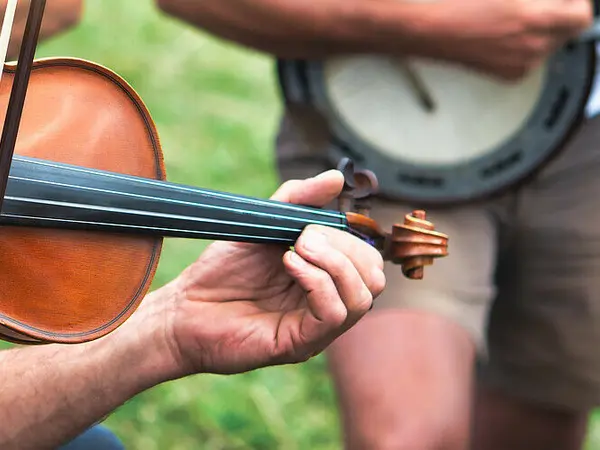
hootenanny
[hoot-n-an-ee, hoot-nan-ee]
a social gathering or informal concert featuring folk singing and, sometimes, dancing

impecunious
[im-pi-kyoo-nee-uhs]
having little or no money; penniless; poor

czar
[zahr]
(with a capital letter) the former ruler of Russia

hamartia
[hah-mahr-tee-uh]
a fatal flaw leading to the downfall of a tragic hero or heroine

dissemble
[dih-sem-buhl]
to give a false or misleading appearance to; conceal the truth or real nature of

twisted
[tw-ist-ed]
bent, distorted, or deformed; also refers to something complex or perverse.

allege
[uh-lej]
to declare with positiveness; affirm; assert

puerile
[pyoo-er-il]
childishly foolish, immature, or trivial
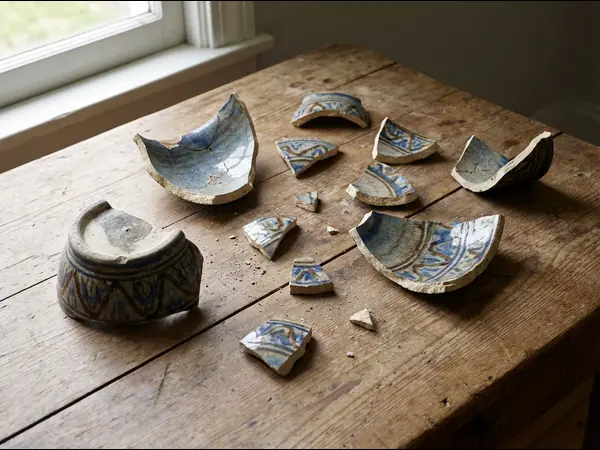
fragmentary
[fr-agm-ent-ary]
consisting of small, incomplete parts or pieces.

bumptious
[buhmp-shuhs]
offensively self-assertive

lucubrate
[loo-kyoo-breyt]
to write learnedly

fortuitous
[fawr-too-i-tuhs]
happening or produced by chance; accidental

chasten
[chey-suhn]
to inflict suffering upon for purposes of moral improvement; chastise
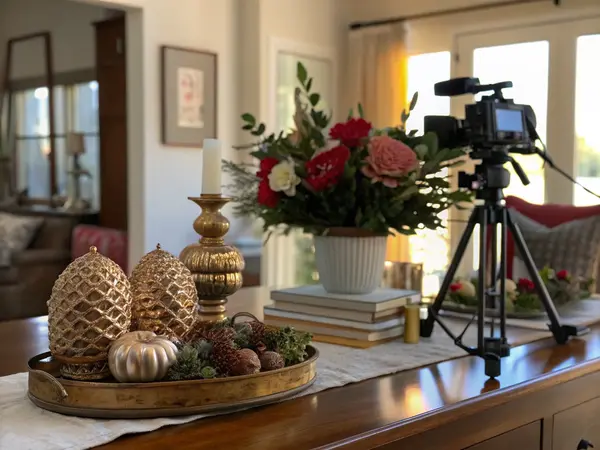
adorned
[ad-orn-ed]
decorated or embellished to make something more attractive.