
impecunious
adjectiveDefinition
What Makes This Word Tick
"Impecunious" is a fancy schmancy way of saying you're a bit strapped for cash. It paints a picture of someone feeling the pinch in their pocketbook. In a world where luxury is often flaunted, being impecunious reminds us of those times when wealth was measured not just in currency, but also in kindness, creativity, and community.
If Impecunious Were a Person…
Picture an old-school artist in a bustling metropolis-heart full of dreams, but wallet almost empty. This person is rich in stories, struggles, and experiences, demonstrating that sometimes, life's best adventures are courtesy of being impecunious.
How This Word Has Changed Over Time
In the 16th century, impecunious emerged from the Latin word "pecunia," meaning money, but it took a while to become mainstream. Originally a descriptor for cattle (a measure of wealth back then), it evolved to mean lacking funds, echoing through centuries of literary and everyday use.
Old Sayings and Proverbs That Use Impecunious
Though not found directly in ancient sayings, the spirit of impecuniosity is captured in gems like "Necessity is the mother of invention"-suggesting that those without funds often have the most ingenious solutions.
Surprising Facts About Impecunious
Despite its serious undertone, "impecunious" has a melodious ring that adds flair to one's vocabulary. Interestingly, the prefix "im-" is the only thing that separates it from being "pecunious," a word rarely used to mean wealthy.
Out and About With This Word
Next time you're discussing the high cost of living over coffee, slip in "impecunious" to add a dash of sophistication. It's perfect for those lighthearted spins on tight budgets that many of us know too well.
Pop Culture Moments Where Impecunious Was Used
Television and movies love a good "rags to riches" storyline. Think of characters from shows like "Friends" or "The Pursuit of Happyness." They might not have used the word "impecunious," but they certainly embodied the concept.
The Word in Literature
Impecunious finds itself nestled into classic works, painting characters as struggling yet enduring. From Dickens' underprivileged heroes to struggling modern-day poets, it encapsulates a wide range of literature's vagabonds and dreamers.
Moments in History with Impecunious
Reflect on the Great Depression; while not explicitly branded as impecunious, it was a time rife with stories of struggle and resilience. People found ways to thrive and support each other despite economic hardships.
This Word Around the World
In French, you might hear “sans le sou” (without money) or in Italian, “privo di mezzi.” These idioms highlight the universal experience of financial struggle, each with its own cultural twist.
Where Does It Come From?
"Impecunious" derives from Latin roots, with "im-" indicating a lack of something, and "pecunia," meaning money. The connection to cattle emphasizes its historical role as an asset and later, the lack thereof.
How People Misuse This Word
Some folks might use it to simply mean poor, missing the nuance it carries. Impecunious implies a temporary or situational lack rather than a permanent state of poverty.
Words It's Often Confused With
- Indigent: Refers to a state of extreme poverty, more severe than impecunious.
- Destitute: Implies a complete lack of resources, almost at a crisis level.
- Poor: A general term; less specific in temporary implications than impecunious.
Additional Synonyms and Antonyms
Synonyms include penniless, broke, and impoverished, while antonyms like affluent, wealthy, and rich stand on the opposite side of the spectrum.
Want to Try It Out in a Sentence?
Despite her impecunious start, she managed to launch a successful business that spoke volumes of her determination and ingenuity.
Explore more words

materialize
[muh-teer-ee-uh-lize]
to appear or become actual
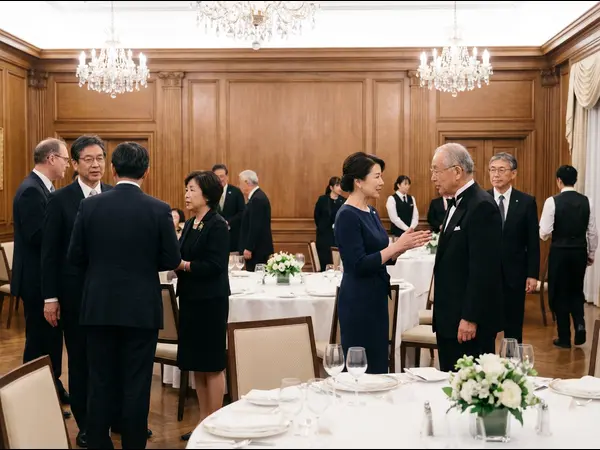
decorous
[de-cor-ous]
socially proper, appropriate

meander
[mee-an-der]
to wander aimlessly; ramble

engulf
[en-guhlf]
to flow over and enclose; to overwhelm.

bilious
[bil-yuhs]
extremely unpleasant or distasteful
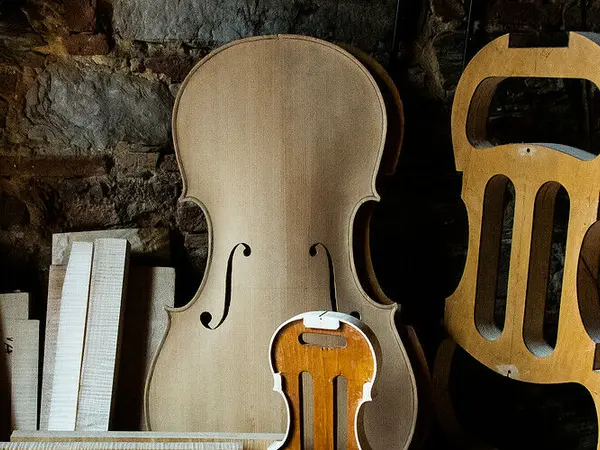
crwth
[krooth]
ancient Celtic instrument that is similar to a violin

philanthropic
[fil-uhn-throp-ik]
of, pertaining to, engaged in, or characterized by philanthropy; benevolent
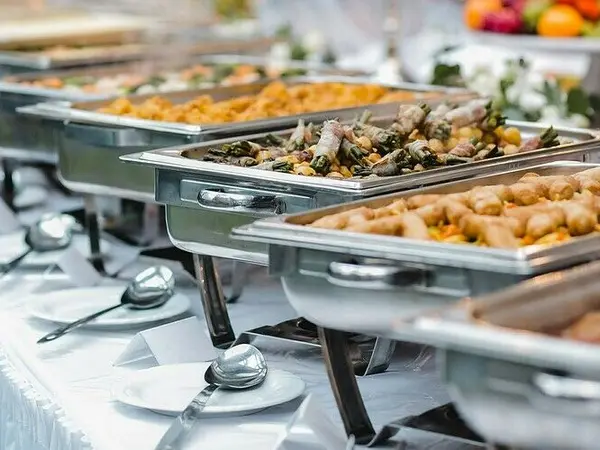
smorgasbord
[smawr-guhs-bawrd]
an extensive array or variety

entreat
[en-treet ]
to ask (a person) earnestly; beseech; implore; beg

fledgling
[flej-ling]
young, new, or inexperienced

rapprochement
[rap-rohsh-mahn]
an establishment or resumption of harmonious relations
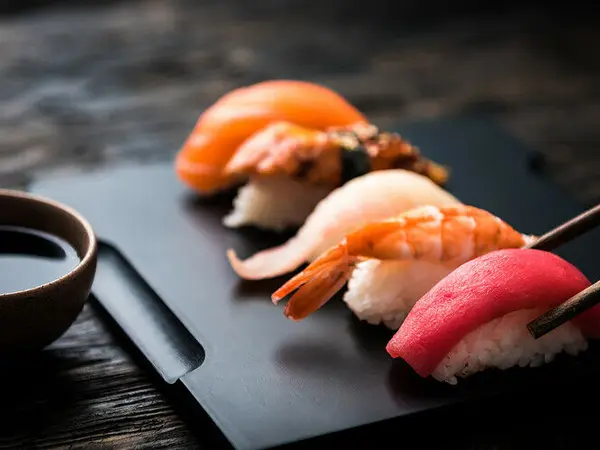
umami
[oo-mah-mee]
a strong meaty taste imparted by glutamate and certain other amino acids: often considered to be one of the basic taste sensations along with sweet, sour, bitter, and salty

summarize
[s-umm-ar-iz-e]
to provide a brief and concise statement of the main points.

eleemosynary
[el-uh-mos-uh-ner-ee]
relating to charity or almsgiving.

opine
[oh-pahyn]
to hold or express an opinion

soliloquy
[suh-lil-uh-kwee]
an utterance or discourse by a person who is talking to himself or herself or is disregardful of or oblivious to any hearers present