
meander
verb, verbDefinition
What Makes This Word Tick
"Meander" is a word that captures the gentle art of wandering without a fixed course or purpose. It's not about haste; instead, it embraces the joy of exploration and the beauty found in slow, unhurried paths. Whether used to describe a lazy river or an aimless stroll through a park, "meander" brings a sense of whimsy and calm.
If Meander Were a Person…
If "meander" were a person, they'd likely be the charming, leisurely type who takes the scenic route and enjoys the journey as much as the destination. They would be the friend who never seems to be in a rush, always ready to take in the sunset or have a serendipitous chat with a stranger.
How This Word Has Changed Over Time
The core essence of "meander" has remained consistent, capturing the art of wandering. However, over time, what was once a term strictly used for describing the bends of rivers has broadened to include paths of life and thought-truly a metaphorical journey.
Old Sayings and Proverbs That Use Meander
While "meander" itself might not star in age-old proverbs, its spirit is mirrored in phrases that celebrate the journey over the destination. Think "slow and steady wins the race," where the emphasis is on the thoughtful pace rather than rushing hurriedly to the finish line.
Surprising Facts About Meander
Did you know the term "meander" originates from the ancient Meander River (modern-day Büyük Menderes River) in Turkey? This river is famous for its twists and turns, inspiring the word we use today to describe wandering paths.
Out and About With This Word
Meander finds its home in delightful places like labyrinthine gardens, winding country paths, or the storytelling style where plots take their sweet time unfolding. This word captures the allure of not knowing what's around the next bend, offering a sense of discovery.
Pop Culture Moments Where Meander Was Used
The word "meander" gets its share of the spotlight in travel shows and nature documentaries, where hosts celebrate journeys that defy the clock. It's the hallmark of narratives that unfold like a lazy river, favoring exploration over speed.
The Word in Literature
"Meander" often appears in novels where atmosphere takes the driver's seat. Authors who relish detailed settings and character development - think John Irving or J.R.R. Tolkien - might use such a word to enhance the richness of their storytelling.
Moments in History with Meander
Imagine ancient Greek explorers navigating the meandering bends of the Meander River, chronicling their journeys with the same respect for the journey's intricacies that "meander" embodies today. Historical and geographical exploration is a perfect fit for this word.
This Word Around the World
In other languages, "meander" might translate to words like "flâner" in French, capturing the essence of strolling aimlessly. Each culture brings its flavor to this delightful practice of wandering without urgency, a universal pastime.
Where Does It Come From?
"Meander" traces back to the Greek word "Maiandros," referring specifically to the Meander River, known for its winding course. The name carries its legacy as a symbol of natural, unhurried paths.
How People Misuse This Word
People often misuse "meander" when they mean to say "meatier"- implying depth or substance. Instead, "meander" should be reserved for journeys, both literal and metaphorical, that meander like the bends of a leisurely path or river.
Words It's Often Confused With
- Wander: While both imply movement without a fixed destination, “wander” suggests a broader physical range, whereas “meander” often connotes a specific path or thought pattern.
- Roam: A more expansive travel route, but less about the slow, winding nature that meander implies.
- Ramble: Tends to be informal talk or a casual walk that is more about description and experience than defined twists and turns.
Additional Synonyms and Antonyms
Synonyms for "meander" include twist, wind, zigzag, and ambulate. Antonyms would be march, stride, or rush-each suggesting a more purposeful and directed movement.
Want to Try It Out in a Sentence?
After retiring, Marie loved to meander through her garden, discovering new blooms and savoring each unhurried moment amid the rustling leaves.
Explore more words

apex
[ey-peks]
the tip, point, or vertex; summit

quisling
[kwiz-ling]
a person who betrays his or her own country by aiding an invading enemy, often serving later in a puppet government; a traitor

rouse
[rouz]
to stir or incite to strong indignation or anger

ensorcell
[en-sawr-suhl]
to fascinate

beseech
[bih-seech]
to implore urgently

irradiate
[ih-rey-dee-eyt]
to shed rays of light upon; illuminate

impetuous
[im-pech-oo-uhs]
moving forcefully or rapidly
largess
[la-rge-ess]
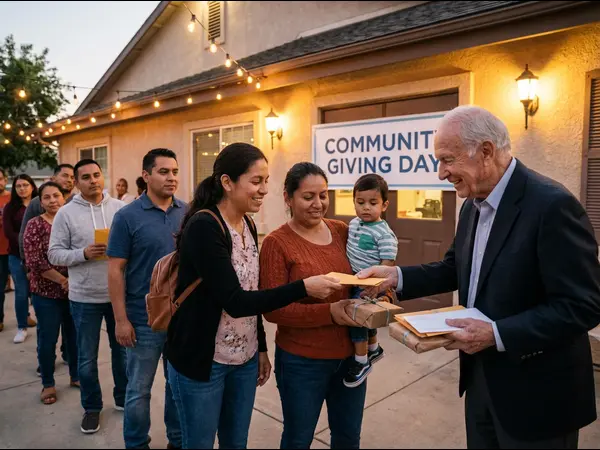
the generous giving of lavish gifts
abgesang
[ab-guh-zong]
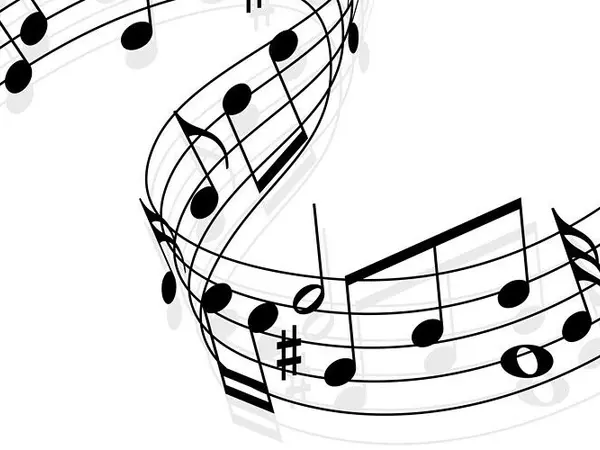
the concluding section in musical and poetic bar form

dilly-dally
[dil-ee-dal-ee]
to waste time or be indecisive

brighten
[bry-ten]
to make or become lighter, happier, or more vivid

felicific
[fee-luh-sif-ik]
relating to or promoting increased happiness

cosmopolitan
[koz-muh-pol-i-tn]
free from local, provincial, or national ideas, prejudices, or attachments; at home all over the world

prosperous
[pros-per-uhs]
having or characterized by financial success or good fortune; flourishing; successful

schadenfreude
[shahd-n-froi-duh]
satisfaction or pleasure felt at someone else's misfortune

mnemonic
[ni-mon-ik]
assisting or intended to assist the memory.