
brash
adjectiveDefinition
What Makes This Word Tick
Brash describes confidence that pushes past politeness. It suggests bold behavior that can feel energetic but also rude or reckless.
If Brash Were a Person…
Brash would stride into a room speaking loudly and confidently. They rarely hesitate before expressing strong opinions.
How This Word Has Changed Over Time
The word has consistently described bold behavior that crosses the line into rudeness or excessive confidence.
Old Sayings and Proverbs
The idea of brashness appears in proverb-style warnings about overconfidence.
Surprising Facts
Brash can sometimes carry a hint of admiration for boldness, even while criticizing the lack of restraint.
Out and About With This Word
You’ll hear brash used in discussions of personality, leadership, or public behavior that feels overly bold.
Pop Culture Moments Where Brash Was Used
Brash characters in movies or shows often drive the story with daring decisions and outspoken remarks.
The Word in Literature
Authors use brash to paint vivid portraits of characters whose confidence borders on arrogance.
Moments in History with Brash
Public figures sometimes gain attention for brash remarks that challenge conventional politeness.
This Word Around the World
Many languages include words for bold behavior that becomes rude or reckless.
Where Does It Come From?
The word’s precise origin is uncertain, though it may connect to older English words describing rash or abrupt behavior.
How People Misuse This Word
Sometimes brash is used simply for confidence, but the word usually implies confidence that feels excessive or rude.
Words It’s Often Confused With
Brash overlaps with bold, though bold can be positive. It also resembles reckless, which focuses more on risk than attitude.
Additional Synonyms and Antonyms
Additional Synonyms: brazen, rash, audacious Additional Antonyms: cautious, restrained, tactful
Want to Try It Out in a Sentence?
"His brash attitude often got him into trouble with his superiors."
Explore more words

volitional
[voh-lish-uh-nl]
done of one’s own will or choosing; deliberately decided or chosen
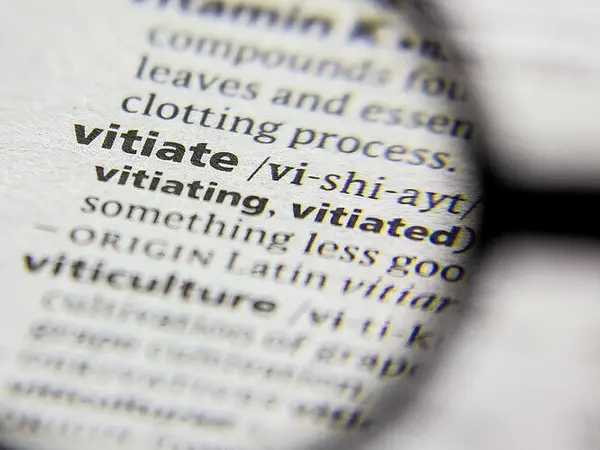
vitiate
[vish-ee-eyt]
to corrupt and debase

awry
[uh-rahy]
not in the intended position or manner

ken
[ken]
know

drowse
[drouz]
to be dull or sluggish

matutinal
[muh-toot-n-l]
pertaining to or occurring in the morning; early in the day

virtuoso
[vur-choo-oh-soh]
a person who has special knowledge or skill in a field

nadir
[ney-der]
the lowest point; point of greatest adversity or despair
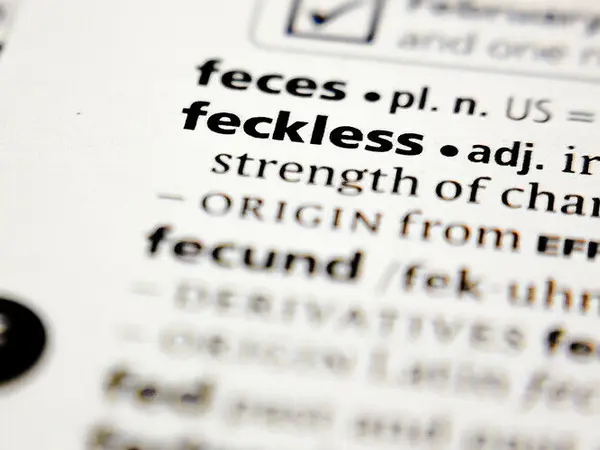
feckless
[fek-lis]
lacking initiative or strength of character; irresponsible

cabal
[kuh-bal]
a small group of secret plotters, as against a government or person in authority

dilapidated
[dih-lap-i-dey-tid]
reduce to or fallen into partial ruin or decay, as from age, wear, or neglect

jejune
[ji-joon]
naive, simplistic, and superficial

legerdemain
[lej-er-duh-meyn]
sleight of hand; trickery
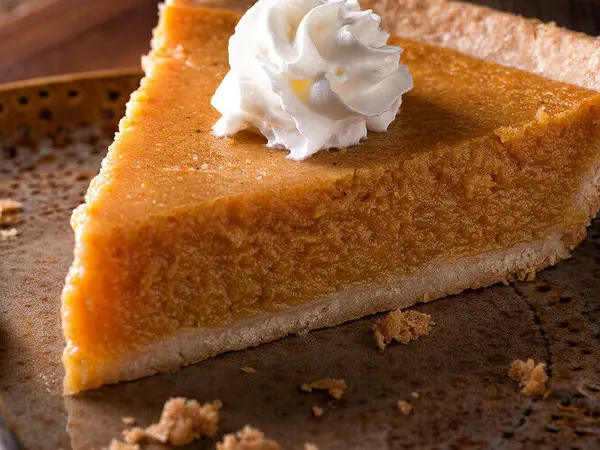
dollop
[dol-uhp]
to dispense in dollops

infamy
[in-fuh-mee]
extremely bad reputation, public reproach, or strong condemnation as the result of a shameful, criminal, or outrageous act

pants
[pants]
a garment covering the legs, typically worn from the waist