
vitiate
verb, verbDefinition
What Makes This Word Tick
Ah, "vitiate," a word that instantly adds gravitas and a dash of drama to any sentence. It means to impair or spoil something's effectiveness or quality. It's the kind of word that feels sharp and precise when you use it, ideal for those moments when "spoil" just doesn't pack enough punch.
If Vitiate Were a Person…
Picture Vitiate as an urbane critic at a film review, quick with a quip and a knowing eyebrow raise. They might wear a trench coat and speak in phrases peppered with nuance, always hinting at someone's or something's potential downfall.
How This Word Has Changed Over Time
"Vitiate" has maintained a surprisingly stable meaning throughout its history, rooted in its Latin origins. While it's always meant to degrade or spoil, the contexts have broadened-from law to theology and beyond.
Old Sayings and Proverbs That Use Vitiate
While proverbs with "vitiate" are not commonplace, one might imagine old philosophers murmuring, "Many a small flaw vitiates the grand plan," capturing the essence of how minor defects can ruin grand designs.
Surprising Facts About Vitiate
Did you know "vitiate" is often used in legal contexts? It's a favorite among lawyers and judges when discussing contracts or arguments that have been rendered null and void by certain flaws or issues.
Out and About With This Word
Here and there, "vitiate" appears in political discourse, often highlighting how small actions or decisions can undermine larger efforts. It lurks in the backdrop of board meetings and investigative reports alike.
Pop Culture Moments Where Vitiate Was Used
It's not every day you hear "vitiate" in a rom-com. However, listen closely to a political thriller or courtroom drama, and you might catch a character lamenting how one piece of evidence could vitiate the whole case.
The Word in Literature
"Vitiate" finds its home amongst the more serious genres. It would be perfectly at ease in the works of John Grisham or in the political intrigue of a Robert Harris novel, adding a layer of depth and sophistication to the narrative.
Moments in History with Vitiate
One could argue that the Watergate scandal was a historical moment crying out for "vitiate." The integrity of a presidency was compromised, a situation where this word's spirit was undoubtedly present even if not expressly mentioned.
This Word Around the World
In different languages, similar concepts might be described using words that translate to "corrupt" or "spoil." Each culture has its nuances, but the universal acknowledgment of how flaws can vitiate plans is clear.
Where Does It Come From?
"Vitiate" finds its roots in the Latin word "vitiare," which means to spoil or corrupt. This connection underscores its enduring reliance on themes of moral or structural decay.
How People Misuse This Word
People sometimes mistake "vitiate" for simple tarnishing or dirtying, overlooking its deeper implication of rendering something ineffective or invalid. It's not just about a smudge; it's about fundamental compromise.
Words It's Often Confused With
- Invalidate: Both can imply making something ineffective, but "invalidate" is more legalistic or formal.
- Corrupt: This focuses more on moral degradation, while "vitiate" implies a broader impairment.
- Spoil: A more general term, "spoil" lacks the grave undertones of "vitiate."
Additional Synonyms and Antonyms
Some synonyms for "vitiate" include "debase," "impair," and "weaken," while antonyms might be "strengthen," "enhance," or "validate," all pointing to the act of making something better or confirming its value.
Want to Try It Out in a Sentence?
Sure, how about this: "The unauthorized disclosure of sensitive information threatened to vitiate the entire peace negotiation process." It's a word for when you want to make an impact!
Explore more words

gild
[g-ild]
to cover something with a thin layer of gold; also used metaphorically to enhance or embellish.

scurrilous
[skur-uh-luhs]
humorously insulting
congeal
[kuhn-jeel]
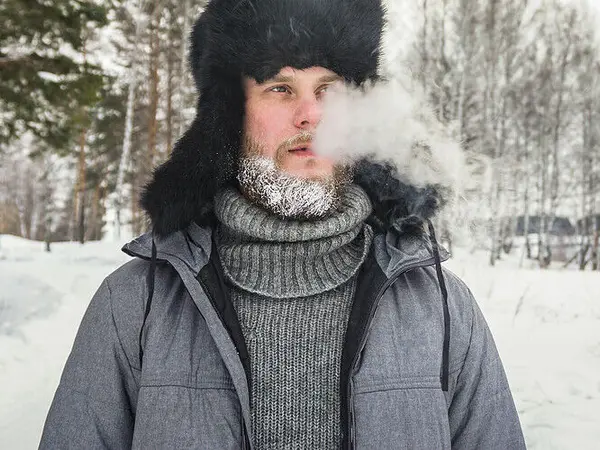
to change from a soft or fluid state to a rigid or solid state, as by cooling or freezing

guileless
[gahyl-lis]
free from guile; sincere; honest; straightforward; frank

proud
[proud]
feeling deep satisfaction from one's achievements or possessions
attenuate
[uh-ten-yoo-eyt]
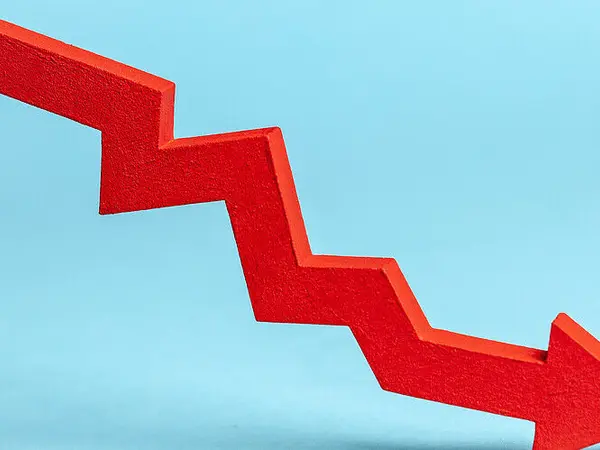
to weaken or reduce in force, intensity, effect, quantity, or value

revel
[rev-uhl]
to take great pleasure or delight
aplomb
[uh-plom]
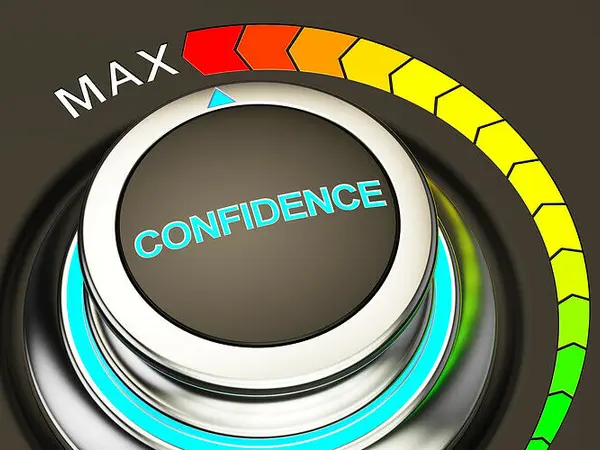
imperturbable self-possession, poise, or assurance
forage
[fawr-ij]
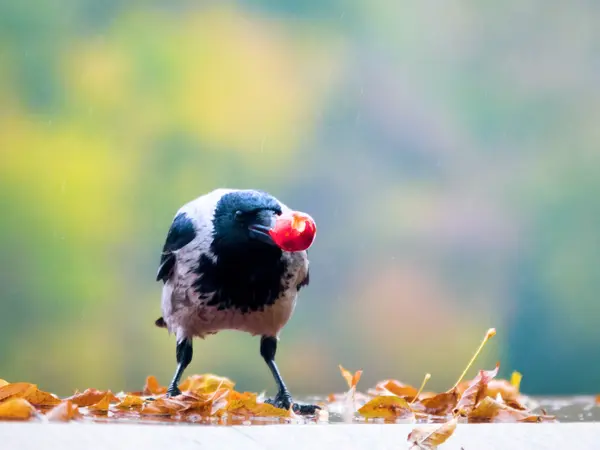
to search about; seek; rummage; hunt
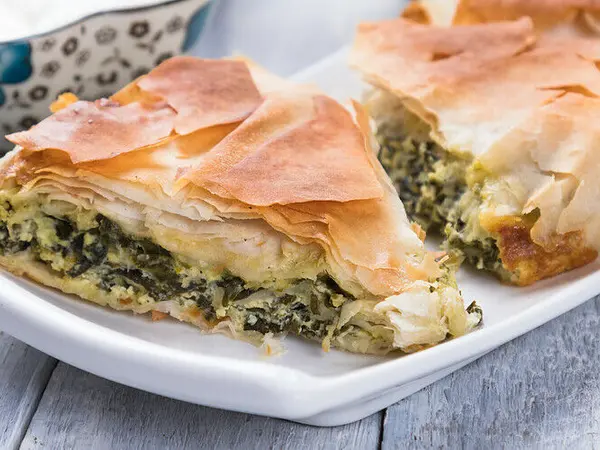
phyllo
[fee-loh]
flaky, tissue-thin layers of pastry used in baked desserts and appetizers
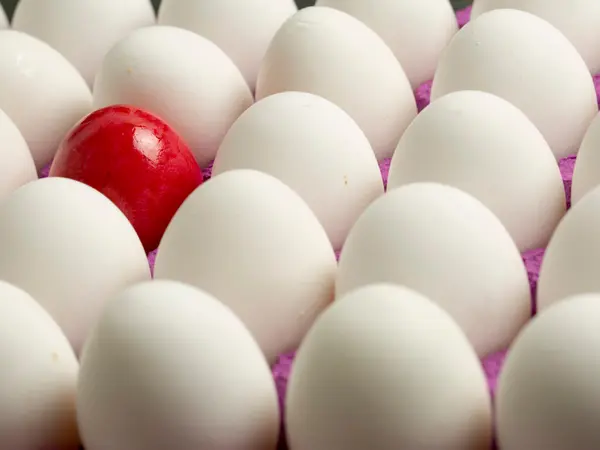
disparate
[dis-per-it]
distinct in kind; essentially different; dissimilar
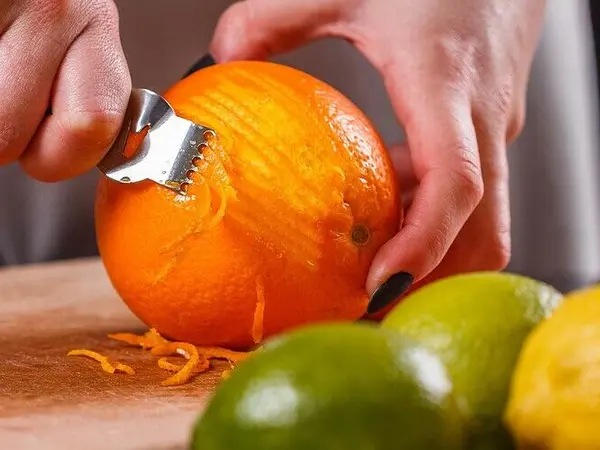
zest
[zest]
keen relish; hearty enjoyment; gusto

ramshackle
[ram-shak-uhl]
loosely made or held together; rickety; shaky

abide
[ab-ide-ide]
to put up with

accord
[uh-kord]
an agreement

suborn
[suh-bawrn]
to bribe or induce (someone) unlawfully or secretly to perform some misdeed or to commit a crime