
gild
verbDefinition
What Makes This Word Tick
To gild means to cover something with a thin layer of gold, and it also works metaphorically for making something seem better by adding a shiny surface. It suggests enhancement that’s more about appearance than substance. Compared with decorate, gild specifically carries the idea of “golden” improvement—literal or figurative.
If Gild Were a Person…
Gild would be the stylist who knows exactly how to add a bright finishing touch. They can make something look richer with a careful layer on top. But they also risk overdoing it, turning “nice” into “too much sparkle.”
How This Word Has Changed Over Time
Gild has kept its literal craft meaning while gaining a strong metaphorical life in everyday speech. People still use it for real gold-leaf work, but also for describing superficial enhancement. The core stays consistent: adding a thin, valuable-looking layer.
Old Sayings and Proverbs
A proverb-style idea that matches gild is that adding shine doesn’t always change what’s underneath. This reflects the metaphorical sense of gilding as making something seem better by surface embellishment.
Surprising Facts
Gild often implies thinness—a layer, not a transformation—so it naturally lends itself to “surface vs. substance” commentary. It works well in criticism when someone has improved appearances without fixing deeper issues. The literal sense stays vivid because the craft image is concrete and easy to picture.
Out and About With This Word
You’ll see gild in art, design, and restoration contexts for actual gold leaf or gold coating, and in commentary that talks about polishing an image. It’s common in descriptive writing when someone wants to suggest luxury, shine, or superficial improvement. The word fits best when the enhancement is a layer added on top.
Pop Culture Moments Where Gild Was Used
In pop culture, the idea behind gilding often appears in stories about image-making—characters dressing up the truth, polishing reputations, or adding sparkle to cover flaws. That reflects the definition because gilding can be literal gold layering or a metaphorical “make it look better” move.
The Word in Literature
In literary writing, gild is often used as a sharp verb for surface enhancement, especially when authors want to suggest beauty with a hint of deception. It can brighten imagery (a gilded edge, a golden sheen) while also carrying moral weight in metaphorical uses. For readers, the word often signals that something looks improved—but the underlying reality may be unchanged.
Moments in History with Gild
Throughout history, the concept of gilding appears in settings where display and craftsmanship matter—ornamentation, ceremony, and objects meant to signal value. It also fits historical patterns of public image and propaganda, where “shiny surfaces” can be used to influence perception. The definition connects because gilding is literally and figuratively about adding a thin layer of value on top.
This Word Around the World
Many languages have verbs meaning “to gild” or “to gold-plate,” often used both for craftwork and, in some cases, for metaphorical polishing. The closest equivalents typically keep the idea of a thin gold layer rather than solid gold.
Where Does It Come From?
The inventory notes a Latin-based origin statement for gild, but the specific phrasing is not clearly confirmable as stated. Still, the meaning is straightforward and consistent: applying a thin gold layer, or enhancing by adding a “golden” surface.
How People Misuse This Word
Gild is sometimes used as if it means “improve” in a deep way, but it often implies surface enhancement rather than real change. If the improvement is substantial and structural, strengthen or transform may be better.
Words It’s Often Confused With
Gild is often confused with embellish, but embellish doesn’t necessarily imply a gold-like layer or surface shine. It also overlaps with adorn, which can be any decoration, while gild is specifically gold-layering or a gold-like polish in meaning. Plate can be close in the literal sense, but it’s more technical and doesn’t carry the metaphorical “make it seem better” feel as strongly.
Additional Synonyms and Antonyms
Additional Synonyms: gold-plate, overlay, gilt, veneer Additional Antonyms: tarnish, mar, deface, roughen
Want to Try It Out in a Sentence?
"The artist decided to gild the edges of the frame for a more luxurious look."
Explore more words

disintegration
[dis-in-ti-grey-shuhn]
the process of breaking into smaller parts
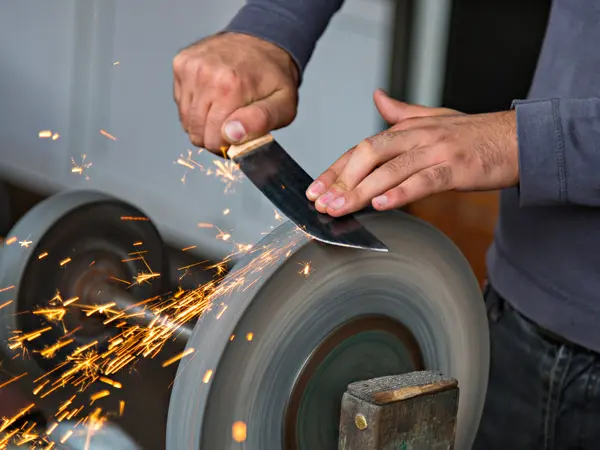
whet
[wet]
to sharpen (a knife, tool, etc.) by grinding or friction

admonish
[ad-mon-ish]
to reprove or scold, especially in a mild and good-willed manner
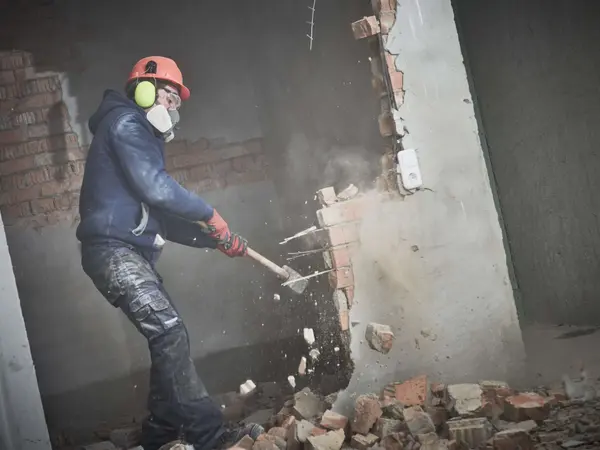
obliterate
[uh-blit-uh-reyt]
to blot out or render undecipherable (writing, marks, etc.); efface

impetuous
[im-pech-oo-uhs]
acting or done quickly and without thought or care

inviolable
[in-vio-ble]
secure from assault

chat
[chat]
to talk informally with someone

trisect
[trahy-sekt]
to divide into three parts, especially into three equal parts

grisly
[griz-lee]
formidable; grim

ptarmigan
[tahr-mi-guhn]
any of the several birds from the genus Lagopus

gurn
[gurn]
make a comically or repulsively ugly face

eucatastrophe
[yoo-kuh-ta-struh-fee]
a sudden and favorable resolution of events in a story; a happy ending

brain-teaser
[brayn-tee-zer]
a challenging puzzle or problem requiring thought to solve
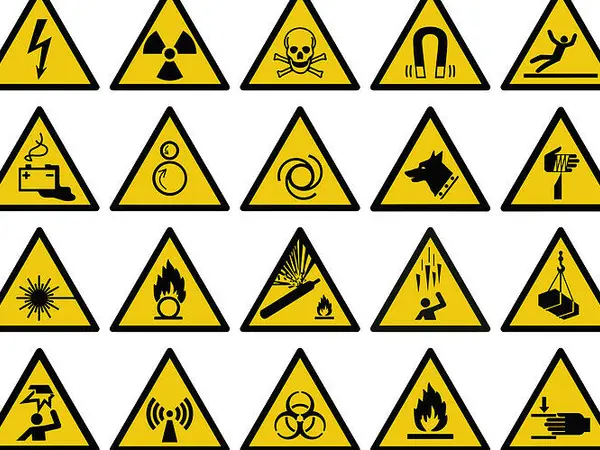
deleterious
[del-i-teer-ee-uhs]
injurious to health

dissemble
[dih-sem-buhl]
to give a false or misleading appearance to; conceal the truth or real nature of
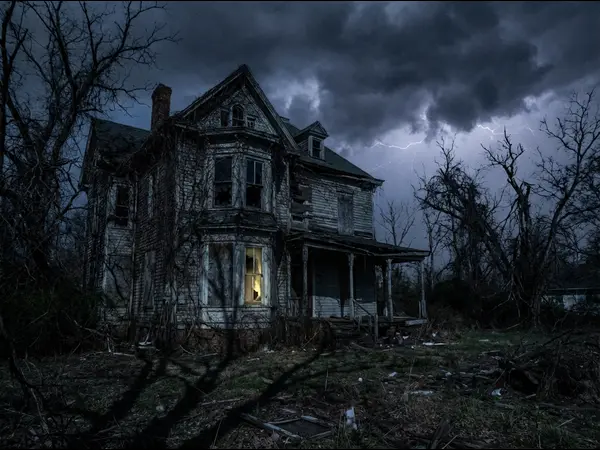
frightening
[fryt-ning]
causing fear or alarm