
metronome
nounDefinition
What Makes This Word Tick
A metronome is a nifty device that ticks, clicks, or beeps at regular intervals to help musicians keep time. With its steady rhythm, it provides the tempo, acting like a musical heartbeat that guides both beginners and seasoned performers through their practice sessions.
If Metronome Were a Person…
If a metronome were a person, it would be that punctual friend who always arrives five minutes early, never misses a beat, and inspires everyone around them to stick to the plan. Dressed in a sharp ensemble, they might have a penchant for waltzes and perhaps a hidden fascination with timepieces.
How This Word Has Changed Over Time
The word "metronome" hasn't waltzed too far from its original use, still primarily referring to the mechanical or electronic device musicians adore. What has evolved, however, is the technology – from the traditional wind-up devices to sleek digital versions that musicians today app-tly use.
Old Sayings and Proverbs That Use Metronome
While metronomes surprisingly didn't find their way into old sayings or proverbs, one might imagine a few tongue-in-cheek expressions about keeping pace or maintaining regularity, reminiscent of "marching to the beat of one's own drum."
Surprising Facts About Metronome
Did you know that one of the earliest functioning metronomes was invented by German inventor Johann Maelzel in 1815? Its ticking noise hasn't just been for us humans; there's evidence that some animals like parrots can recognize and respond to its rhythm.
Out and About With This Word
Outside of music, the concept of a metronome gets a nod from fitness enthusiasts who use its rhythmic guide to pace themselves during exercise, proving it's not confined to concert halls and practice rooms.
Pop Culture Moments Where Metronome Was Used
In films and television, metronomes often symbolize control, order, or sometimes even a descent into chaos. Think of a dramatic scene where a metronome's tick-tock unravels into the background, heightening suspense.
The Word in Literature
In literature, metronomes might not take center stage, but their presence evokes images of disciplined practice rooms filled with diligent students. They often subtly symbolize precision, dedication, or the relentless passage of time across diverse narratives.
Moments in History with Metronome
Beethoven, who was known to have a temperamental relationship with timekeeping, was one of the first composers to embrace the metronome. His Ninth Symphony bore the hallmark of his engagement with this ticking companion, reflecting a historical harmony of innovation and music.
This Word Around the World
The metronome's beat is universal in the language of music, but in some cultures, traditional rhythmic patterns are passed down orally without such devices, showcasing a fascinating blend of ancient techniques with modern inventions.
Where Does It Come From?
Etymologically, "metronome" combines the Greek "metron," meaning measure, and "nomos," meaning law or custom. Quite fitting, as it establishes the law of tempo across countless compositions.
How People Misuse This Word
People sometimes misuse "metronome" when they mean "metaphor" in casual conversation, especially if they are talking about the rhythm of speech or life rather than the literal ticking of this musical device.
Words It's Often Confused With
- Metaphor: While both involve patterns, "metaphor" is about figures of speech rather than timing.
- Metrology: Relates to measurements, not the timekeeping realm of music.
- Metrophone: A relatively lesser-known musical device that's sometimes mixed up with metronome due to the prefixes.
Additional Synonyms and Antonyms
Synonyms for metronome might include terms like timekeeper or rhythm guide. In contrast, an antonym could play on themes of chaos or irregularity – think unpredictability, or even an untrained pulse.
Want to Try It Out in a Sentence?
"After struggling with timing, Sarah finally mastered her sonata with the help of a trusty metronome."
Explore more words

bamboozled
[bam-boo-zuhld]
concealed ones true motives from (someone) by elaborately feigning good intentions so as to gain an end hoodwinked.

czar
[zahr]
a person of great power

empirical
[em-pir-i-kuhl]
derived from or guided by experience or experiment

protruding
[proh-troo-ding]
sticking out or extending beyond a surface

nourish
[nur-ish]
to sustain with food or nutriment; supply with what is necessary for life, health, and growth
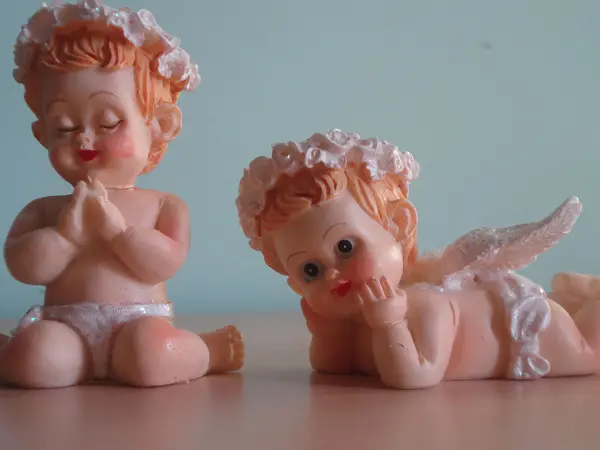
cherubic
[chuh-roo-bik]
of or having the nature of a cherub, or an angel represented as a rosy-cheeked child with wings; angelic

writhe
[rahyth]
to shrink mentally in discomfort or embarrassment.

tisane
[ti-zan]
aromatic or herb-flavored tea
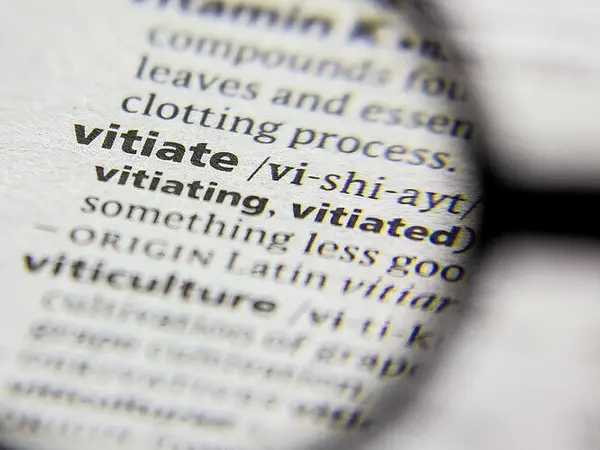
vitiate
[vish-ee-eyt]
to impair or weaken effectiveness and quality of

affluent
[af-loo-uhnt]
having an abundance of wealth, property, or other material goods; prosperous; rich

obliterate
[uh-blit-uh-reyt]
to blot out or render undecipherable (writing, marks, etc.); efface

condign
[kuhn-dahyn]
well-deserved; fitting; adequate

estranged
[ih-streynjd]
no longer in a friendly or affectionate relationship with a family member or friend, and typically living apart

bumptious
[buhmp-shuhs]
offensively self-assertive

capitulate
[kuh-pich-uh-leyt ]
to surrender unconditionally or on stipulated terms

bilious
[bil-yuhs]
extremely unpleasant or distasteful