
protruding
VerbDefinition
What Makes This Word Tick
Protruding means sticking out or extending beyond a surface, so it naturally points to shape and risk—something that catches the eye or snags what passes by. It feels more specific than “extending,” because it suggests a noticeable push outward. Against antonyms like embedded or sunken, protruding signals that the object refuses to stay flush.
If Protruding Were a Person…
Protruding would be the person who can’t help standing out in a crowd—literally and figuratively. They lean into the space around them, sometimes helpfully, sometimes awkwardly. Being around them feels like you need to watch where you’re stepping.
How This Word Has Changed Over Time
Protruding has stayed steady as a descriptive word for things that stick out beyond a surface. Modern usage still leans on the same physical sense, especially when the “sticking out” matters for safety, appearance, or fit.
Old Sayings and Proverbs
A proverb-style idea that fits protruding is that what sticks out can get bumped first. That matches the definition because protruding points to something extending beyond a surface—noticeable and exposed. It’s the kind of word that naturally invites “be careful” wisdom.
Surprising Facts
Protruding often implies more than shape—it implies consequence, because sticking out changes how something interacts with the world. The word can also suggest unfinished work, like something meant to be flush but isn’t. In writing, it’s a quick detail that makes a scene feel physical and specific.
Out and About With This Word
You’ll see protruding in home repair, safety warnings, design descriptions, and anatomy-style description—anywhere surfaces and edges matter. It’s especially useful when the detail affects movement, comfort, or hazard.
Pop Culture Moments Where Protruding Was Used
In pop culture, protruding details often appear as the clue you notice too late: the nail, the lever, the wire—something sticking out that changes what happens next. That reflects the definition because the outward extension makes it visible and interactive, sometimes in a risky way. It’s a classic “small detail, big consequence” setup.
The Word in Literature
In literature, protruding is a sharp descriptive tool that makes objects feel tactile and slightly tense—something is jutting into space instead of lying smooth. Writers use it to add realism, direct attention, or foreshadow a snag or injury. For readers, it creates a physical sense of the scene, like you can almost feel the edge.
Moments in History with Protruding
The idea behind protruding fits any setting where small structural details affect safety and movement—an exposed edge, a sticking-out fastener, a piece not fully set into place. That aligns with the definition because the key is extension beyond a surface, creating exposure and interaction.
This Word Around the World
Across languages, the concept is usually expressed with words meaning jutting out, sticking out, or projecting beyond a surface. The meaning is straightforward and physical: something extends outward rather than staying level or embedded.
Where Does It Come From?
Protruding traces to Latin roots meaning “to thrust forward,” which matches the idea of something pushing outward beyond a surface. That origin fits the word’s forceful feel—more than merely being long, it’s thrusting into space.
How People Misuse This Word
Protruding is sometimes used for anything “big,” but it’s specifically about sticking out beyond a surface. If something is simply large but not extending outward, large or bulky is clearer.
Words It’s Often Confused With
Protruding is often confused with extending, but protruding suggests a noticeable stick-out beyond a surface, while extending can be neutral lengthening. It can also overlap with bulging, though bulging implies swelling outward in a rounded way rather than any kind of projection.
Additional Synonyms and Antonyms
Additional Synonyms: sticking-out, outthrust, prominent Additional Antonyms: flush, level, inset
Want to Try It Out in a Sentence?
"The protruding nail posed a safety hazard in the middle of the walkway."
Explore more words

uitwaaien
[out-vahyn]
the Dutch practice of jogging or walking into the wind, especially in the winter, for the purpose of feeling invigorated while relieving stress and boosting one’s general health
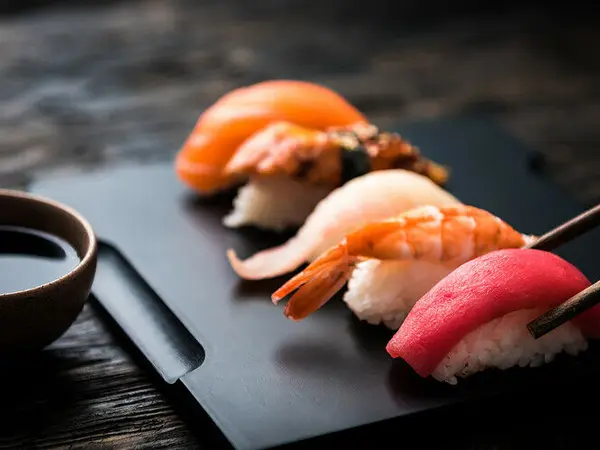
umami
[oo-mah-mee]
a strong meaty taste imparted by glutamate and certain other amino acids: often considered to be one of the basic taste sensations along with sweet, sour, bitter, and salty

skittish
[skit-ish]
apt to start or shy

rumpled
[rump-uld]
creased or messy in appearance
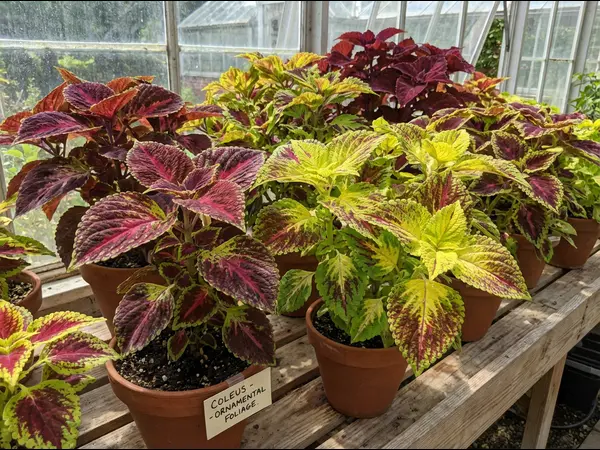
coleus
[koh-lee-uhs]
any of several old world herbs of the mint family that are widely cultivated for their fragrant, often colorful foliage.

mnemonic
[ni-mon-ik]
assisting or intended to assist the memory.

prophet
[prof-it]
a person regarded as an inspired teacher or proclaimer of the will of god

pharaonic
[fair-ey-on-ik]
impressively or overwhelmingly large, luxurious, etc.

embarcadero
[em-bahr-kuh-dair-oh]
a pier, wharf, or landing place
skittish
[skit-ish]
restlessly or excessively lively

open
[oh-puhn]
not closed or locked; accessible to others

inspirit
[in-spir-it]
to infuse spirit or life into; enliven

coax
[kohks]
to attempt to influence by gentle persuasion, flattery, etc.; cajole
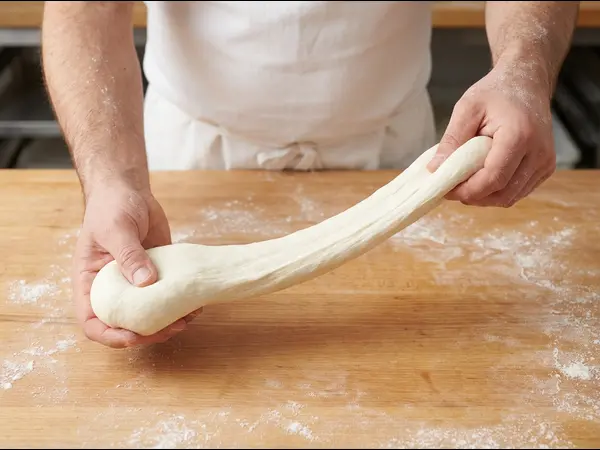
elongate
[ih-lawng-geyt]
to make something longer in length
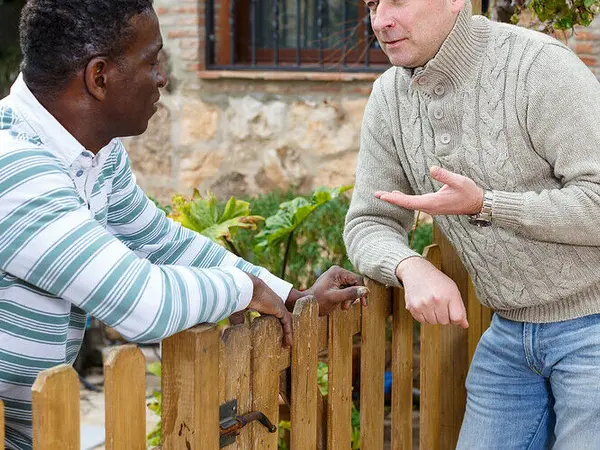
kith
[kith]
acquaintances, friends, neighbors, or the like; persons living in the same general locality and forming a more or less cohesive group

atrocious
[uh-troh-shuhs]
horrifyingly bad or unpleasant