
cravat
nounDefinition
What Makes This Word Tick
Ah, the cravat-a delightful accessory that whispers sophistication and elegance. It's the precursor to the modern necktie and a cousin to the bow tie, but with its own flair. Often silk or linen, a cravat wraps gently around the neck, inviting admiration and a touch of nostalgia.
If Cravat Were a Person…
Picture a charming gentleman, likely from a bygone era, with impeccable manners and a twinkle in his eye. He enjoys leisurely strolls through art galleries and reciting lines of poetry. Confident yet understated, he knows the power of subtlety and the elegance of a perfectly tied knot.
How This Word Has Changed Over Time
Originally a symbol of social status and military distinction, the cravat has transitioned from opulence to a nod towards class and tradition. Once a staple among European aristocrats, today it enjoys its place as a statement piece for those inclined to a dash of vintage style.
Old Sayings and Proverbs That Use Cravat
While the cravat doesn't appear directly in many proverbs, its essence is captured in sayings like “dressed to the nines” and “putting on the dog,” both suggesting a level of dress-up often involving such dapper attire.
Surprising Facts About Cravat
Did you know that Croatia is credited with giving the cravat to the world? The word itself is thought to be derived from 'Croat,' owing to the distinctive neckwear of Croatian mercenaries in the 17th century. It also inspired Louis XIV of France to sport one, bringing it into the fashion mainstream.
Out and About With This Word
You might spot a cravat at a vintage-themed wedding or a steampunk gathering, proudly worn by an attendee with a flair for the dramatic and historical. It also makes an appearance at period-themed events where authenticity in costume is key.
Pop Culture Moments Where Cravat Was Used
Think Mr. Darcy from "Pride and Prejudice" or the many portrayals of Sherlock Holmes-these iconic characters have donned cravats to add that indispensable touch of class and intellect, making the accessory a symbol of timeless style.
The Word in Literature
Cravats find their literary niche in 19th-century novels, often draped elegantly around the necks of esteemed gentlemen. Authors like Charles Dickens and Jane Austen crafted characters who understood that a cravat was as important as a well-tailored coat.
Moments in History with Cravat
During the Battle of Leipzig in 1813, Croatian soldiers wore cravats as part of their uniforms, making them stylish warriors indeed. Later, in the court of King Louis XIV, the cravat became a fashion statement adored by the elite.
This Word Around the World
In Italy, the cravat is known as "cravatta," and retains its chic allure. Meanwhile, in France, it's "cravate," and remains a mark of elegance. Across different cultures, though, the cravat represents a synthesis of tradition and fashion.
Where Does It Come From?
The cravat hails from 17th-century Croatia, introduced by soldiers who wore distinct cloth bands around their necks. This style caught the discerning eye of French fashion enthusiasts, leading to its adoption and evolution.
How People Misuse This Word
Sometimes, folks might confuse a cravat with a tie or scarf, perhaps because it sits in the middle of both in terms of formality and style. However, its unique draping and knotting set it apart from its more commonly seen relatives.
Words It's Often Confused With
- Tie: A more modern and structured neckwear, but less flexible stylistically than the cravat.
- Ascot: A particular way to wear a cravat, often seen at formal events.
- Scarf: More for warmth than sartorial statement, unless it's worn cravat-style.
Additional Synonyms and Antonyms
- Synonyms: Neckwear, ascot, bandana (in some informal styles)
- Antonyms: Casual wear, t-shirt, hoodie
Want to Try It Out in a Sentence?
"His ensemble was impeccably finished with a silk cravat, adding an air of sophistication that bespoke his timeless elegance."
Explore more words
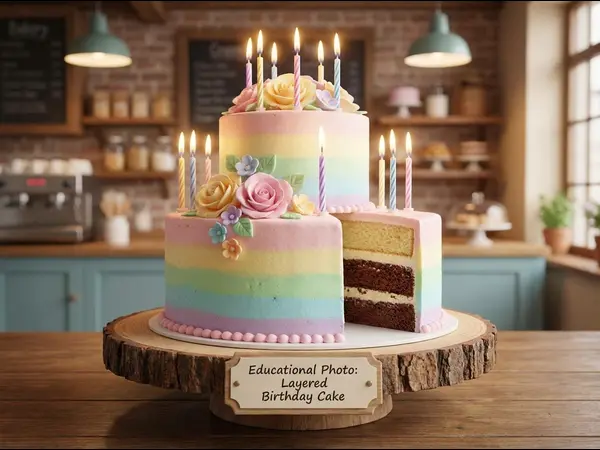
cake
[k-ak-e]
a baked dessert, typically sweet, made with flour, sugar, and other ingredients.

cacophony
[kuh-kof-uh-nee]
a harsh discordant mixture of sounds

verisimilitude
[ver-uh-si-mil-i-tood]
the appearance of truth; the quality of seeming to be true
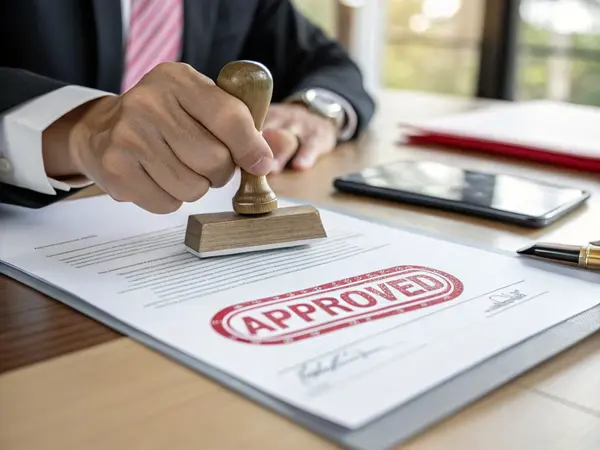
accredit
[uh-kred-it]
to officially recognize or approve

clairvoyant
[klair-voi-uhnt]
of, by, or pertaining to clairvoyance

suborn
[suh-bawrn]
to bribe or induce (someone) unlawfully or secretly to perform some misdeed or to commit a crime
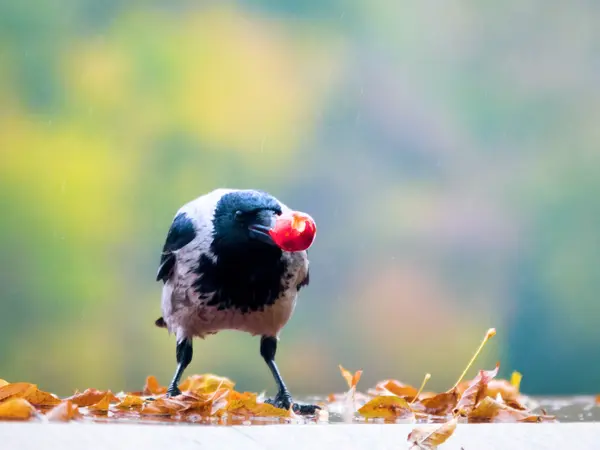
forage
[fawr-ij]
to search about; seek; rummage; hunt
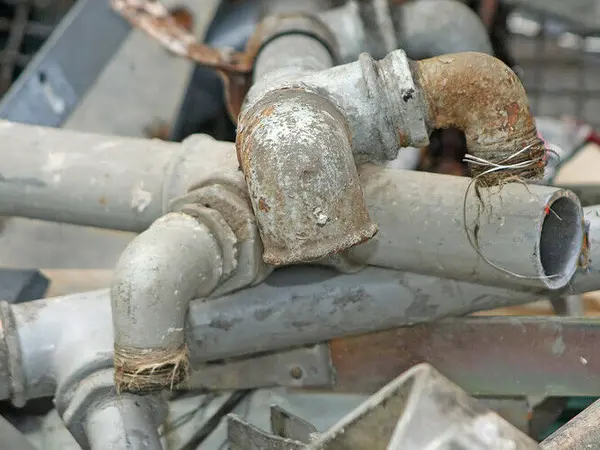
plumbeous
[pluhm-bee-uhs]
resembling or containing lead; leaden
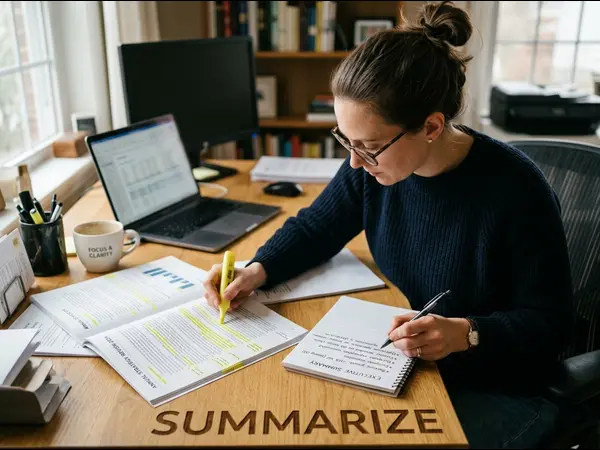
summarize
[s-umm-ar-iz-e]
to provide a brief and concise statement of the main points.
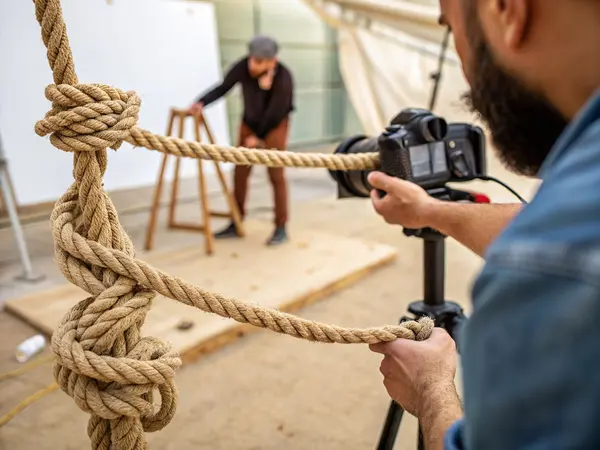
binding
[bahyn-ding]
tying or securing something; obligatory
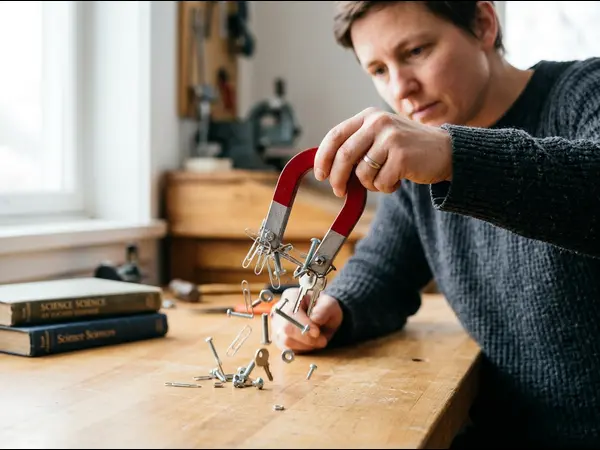
draw
[draw]
to pull or attract something

afford
[af-for-ord]
have enough money to pay for.
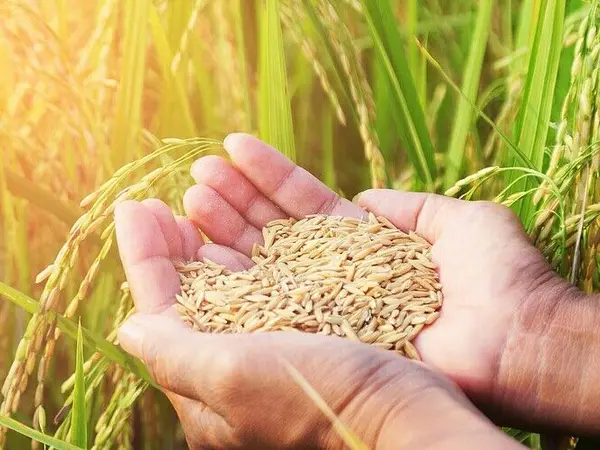
glean
[gleen]
to gather slowly and laboriously, bit by bit

flippant
[flip-uhnt]
frivolously disrespectful, shallow, or lacking in seriousness
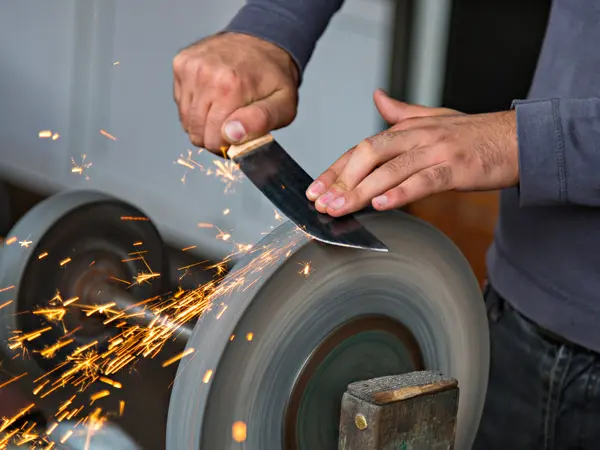
whet
[wet]
to sharpen (a knife, tool, etc.) by grinding or friction

felicific
[fee-luh-sif-ik]
relating to or promoting increased happiness