
bumptious
adjectiveDefinition
What Makes This Word Tick
"Bumptious" is quite the attention-grabber, isn't it? It describes a person who is brash or presumptuously self-assertive, someone who might just take up a little more space - and sound - than they should. Its lively bounce off the tongue almost mirrors the boldness of those it describes.
If Bumptious Were a Person…
If bumptious were a person, they'd likely be the type that enters a room and immediately starts telling stories at full volume, all while hardly noticing if anyone else is listening. They're often well-meaning but might lack that crucial self-awareness dial.
How This Word Has Changed Over Time
"Bumptious" originated in the early 19th century, possibly as a playful combination of "bump" with the suffix "-tious," akin to "ferocious." Over the years, it has surely retained its peacock-adorned definition, stubbornly refusing to lose its lively dislikes and unnoticed elbow nudges.
Old Sayings and Proverbs That Use Bumptious
While "bumptious" might not feature in classic old proverbs, it's got the spirit of phrases like "Too big for one's britches" or "The squeaky wheel gets the grease," the latter emphasizing noisy self-assertion to draw attention.
Surprising Facts About Bumptious
Interestingly, "bumptious" doesn't just sound spirited - it was once associated with a character created by Charles Dickens! In "The Adventures of Mr. Verdant Green," a bumptious character showcases just how far one's swagger can take them... for better or worse.
Out and About With This Word
You might find "bumptious" bouncing around in conversations describing especially audacious public figures or loud acquaintances that you can't help but notice. They fill the air with more anecdotes than oxygen, demanding similar levels of attention.
Pop Culture Moments Where Bumptious Was Used
Can you picture a bumptious character? Think of Will Ferrell's roles, for example, especially his portrayal of Ron Burgundy in "Anchorman." His characters often embody that confident, self-assured, larger-than-life persona that "bumptious" captures perfectly.
The Word in Literature
The likes of P.G. Wodehouse come to mind, particularly his character Bertie Wooster, who's amusingly oblivious to his own shortcomings. Literature often employs such words to describe boisterous or haughty characters for a laugh or a lesson.
Moments in History with Bumptious
Imagine the bumptious bravado of certain explorers, brave enough to cross oceans with insatiable (and occasionally misplaced) confidence. Sir Walter Raleigh, with his cloak-drop flourish, could have been described as bumptious in his day!
This Word Around the World
While the exact word "bumptious" might be English, the concept is universal. Across the world, there's always that character in tales who just can't help themselves from causing a ruckus - charming in their pursuit of being heard, albeit occasionally overwhelming.
Where Does It Come From?
The etymology of "bumptious" combines "bump," implying confrontation or forcefulness, and the adjectival suffix "-tious," signaling something full of or characterized by. Think of it as bumps with personality!
How People Misuse This Word
People often mistakenly use "bumptious" to describe someone simply loud or rude. However, it's all about that extra hint of unwarranted self-confidence - not just volume, but bravado!
Words It's Often Confused With
- Pompous: While both describe people with an inflated sense of self, pompous leans towards stuffy, self-important airs.
- Boisterous: Describes loud or energetic actions, without necessarily implying self-importance.
- Arrogant: Similar self-confidence, but often with a sense of superiority looking down on others.
Additional Synonyms and Antonyms
Synonyms include "conceited," "self-important," and "overbearing," while antonyms would be "humble," "modest," and "self-effacing."
Want to Try It Out in a Sentence?
"His bumptious manner made him the center of every gathering, though not always the most beloved one."
Explore more words
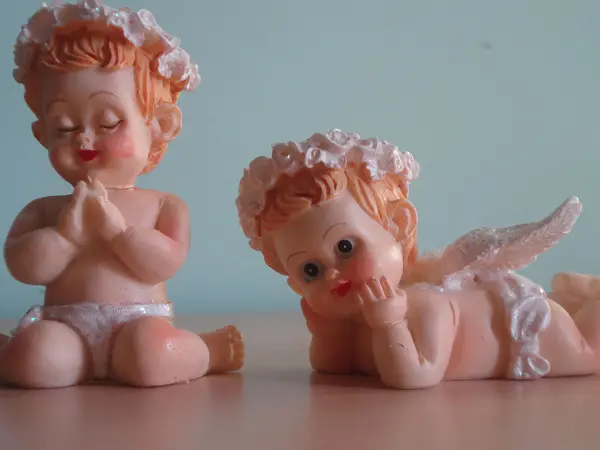
cherubic
[chuh-roo-bik]
of or having the nature of a cherub, or an angel represented as a rosy-cheeked child with wings; angelic

frenzied
[fren-zeed]
wildly excited, enthusiastic, or agitated; frantic

umbrage
[uhm-brij]
offense; annoyance; displeasure

prosperous
[pros-per-uhs]
having or characterized by financial success or good fortune; flourishing; successful

sartorial
[sahr-tawr-ee-uhl]
of or relating to clothing or style or manner of dress
malarkey
[muh-lahr-kee]
meaningless talk; nonsense

basilica
[buh-sil-ih-kuh]
a large church or building with a central nave and aisles, often used as a christian place of worship.

blunt
[bluhnt]
having a dull edge or being straightforward

case
[k-as-e]
a container or situation designed for a specific purpose; also refers to an instance or example.

brace
[brays]
a device used to support or hold something in place

bypass
[bye-pass]
to avoid or go around something

redoubtable
[ri-dou-tuh-buhl]
that is to be feared; formidable

guts
[guhts]
courage or determination

exasperate
[ig-zas-puh-reyt]
to irritate or provoke to a high degree; annoy extremely

mammonism
[mam-uh-niz-uhm]
the greedy pursuit of riches

jocund
[jok-uhnd]
cheerful; merry; blithe; glad