
guts
nounDefinition
What Makes This Word Tick
Guts means courage or determination, especially the kind that shows up when something is hard or uncomfortable. It’s informal and punchy, often used to praise someone for doing the brave thing anyway. Compared with bravery, guts feels more street-level and immediate—less heroic, more “you pushed through.”
If Guts Were a Person…
Guts would be the friend who’s scared but steps forward anyway. They don’t pretend it’s easy; they just do it. Their courage looks like a deep breath and a decision.
How This Word Has Changed Over Time
Guts originally ties to the body, but in common modern use it strongly signals courage and determination. That shift makes the word feel vivid and physical even when it’s figurative. Today, the courage sense is especially common in everyday praise and challenge-talk.
Old Sayings and Proverbs
A proverb-style idea that matches guts is that courage isn’t the absence of fear—it’s action in spite of it. This reflects the definition because guts is about determination and nerve when the moment is difficult. The word naturally fits situations where someone chooses honesty or risk over comfort.
Surprising Facts
Guts is often used with it takes, which frames courage as effort and cost rather than a personality trait. Because it’s informal, it can feel more personal and approving than formal words like fortitude. The word also tends to highlight a specific brave act, not just a general reputation.
Out and About With This Word
You’ll hear guts in everyday conversations about speaking up, taking risks, admitting faults, or trying something intimidating. It’s common in supportive talk—friends urging each other on or praising a hard choice. The word fits best when the courage is practical and moment-based, not ceremonial.
Pop Culture Moments Where Guts Was Used
In pop culture, guts often shows up in stories where a character finally tells the truth, takes a stand, or walks into a challenge they’d rather avoid. That matches the definition because the emphasis is on determination and nerve under pressure. It’s the word for the brave choice that feels real, not polished.
The Word in Literature
In literary writing, guts is often used to give courage a blunt, grounded feel, as if bravery is something you carry in your body. Writers choose it when they want immediacy and voice—characters who speak plainly and value action. For readers, it can make a brave moment feel relatable: messy, nervous, and still determined.
Moments in History with Guts
Throughout history, the concept behind guts appears whenever people act with determination under threat—speaking publicly, resisting pressure, or choosing an honest admission with consequences. It fits because the definition is about courage as a decision, not a decoration. In many situations, guts is what bridges fear and action.
This Word Around the World
Many languages have informal, everyday words for “nerve” or “courage” that feel as punchy as guts, often used to praise boldness in a specific moment. The closest equivalents usually emphasize practical bravery rather than formal heroism. Tone matters: the match is often slangy or casual rather than ceremonial.
Where Does It Come From?
Guts is linked to an Old English word for “bowels,” and it later developed a figurative use for courage and determination. That connection makes the modern meaning feel physical, as if courage is something deep inside you. The origin supports why the word still feels vivid and bodily even in metaphor.
How People Misuse This Word
Guts is sometimes used as if it means being reckless, but the word points to courage and determination, not careless risk. If the action is foolish rather than brave, reckless is more accurate. Using guts well keeps the focus on facing difficulty with nerve.
Words It’s Often Confused With
Guts is often confused with bravado, but bravado is showy confidence that can be hollow, while guts implies real nerve under pressure. It overlaps with bravery, though bravery can sound more formal and heroic. It’s also close to nerve, which can be positive like guts but can also imply rudeness depending on context.
Additional Synonyms and Antonyms
Additional Synonyms: backbone, grit, resolve, fortitude Additional Antonyms: spinelessness, faintheartedness, hesitation, doubt
Want to Try It Out in a Sentence?
"It took a lot of guts for him to admit his mistakes in front of everyone."
Explore more words

marred
[mahr-d]
damaged or spoiled to a certain extent; rendered less perfect, attractive, useful, etc.; impair or spoil

nominal
[no-min-nal]
trifling, insignificant

disparage
[dih-spar-ij]
to speak of or treat slightingly; depreciate; belittle

felicific
[fee-luh-sif-ik]
relating to or promoting increased happiness

dilapidated
[dih-lap-i-dey-tid]
reduce to or fallen into partial ruin or decay, as from age, wear, or neglect

frenzied
[fren-zeed]
violently agitated; frantic; wild
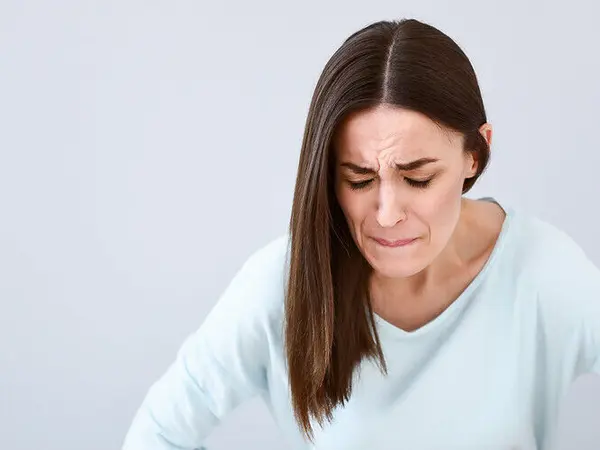
writhe
[rahyth]
to shrink mentally in discomfort or embarrassment.

adhere to
[ad-heer too]
to follow or obey a rule or guideline

estranged
[ih-streynjd]
no longer in a friendly or affectionate relationship with a family member or friend, and typically living apart

cheat
[cheet]
to act dishonestly to gain an advantage

quixotic
[kwik-sot-ik]
extravagantly chivalrous or romantic; visionary, impractical, or impracticable
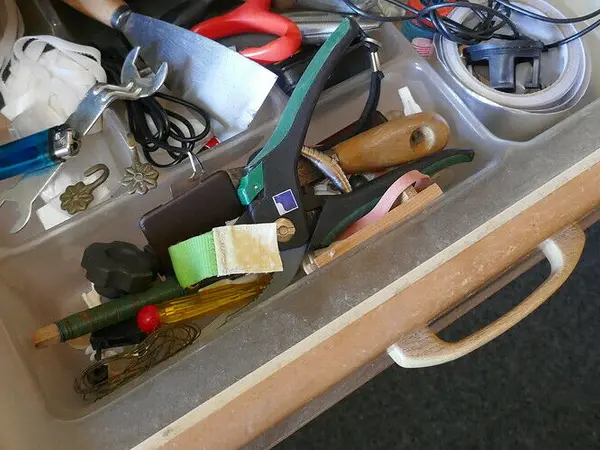
manavelins
[muh-nav-uh-linz]
miscellaneous pieces of gear and material

deference
[def-er-uhns]
respectful submission or yielding to the judgment, opinion, will, etc., of another

possessions
[puh-zesh-uns]
items that someone owns

meander
[mee-an-der]
to proceed by or take a winding or indirect course

adorned
[ad-orn-ed]
decorated or embellished to make something more attractive.