
malarkey
nounDefinition
What Makes This Word Tick
"Malarkey" is one of those charming words that snaps, crackles, and pops with personality. It suggests nonsense, foolishness, and a certain kind of whimsical, old-fashioned silliness that harkens back to a time when people might have actually muttered "Poppycock!" or "Balderdash!" in the course of a lively conversation. Just saying it can bring a bemused smile to your face.
If Malarkey Were a Person…
Picture a silver-haired gentleman with a twinkle in his eye, spinning tall tales and pulling your leg just enough to keep you on your toes. He's the kind of uncle who recounts wild fishing stories or insists he once danced with a Hollywood star, his antics always leaving you wondering where the truth ends and the malarkey begins.
How This Word Has Changed Over Time
"Malarkey" hasn't undergone any dramatic transformations, which is quite fitting for a word that's all about playful deceit. It first appeared in the early 20th century and has stuck around, largely unchanged, offering us all a colorful way to dismiss nonsense with a hint of humor.
Old Sayings and Proverbs That Use Malarkey
Though there aren't traditional proverbs built around "malarkey," this word perfectly fits in with phrases like "Don't give me that malarkey" or "That's a bunch of malarkey," both asserting skepticism about whatever dubious claims may come your way.
Surprising Facts About Malarkey
You might think "malarkey" is borrowed from a merry Englishman, but its exact origins are a bit of a mystery. Some speculate it might be linked to an Irish surname, bringing just the right touch of blarney and charm. And this word had a resurgence in public consciousness thanks to Joe Biden, who used it with gusto during political debates.
Out and About With This Word
"Malarkey" is right at home in convivial, lively discussions where humor and polite skepticism are welcome. Whether debunking tall tales in your local diner or challenging a friend's suspect fishing story, it's perfect for keeping conversations light and engaging.
Pop Culture Moments Where Malarkey Was Used
In recent years, "malarkey" found its way into the political lexicon when Joe Biden used it to characterize his opponents' arguments. It was a throwback word in a modern context, a touch of vintage flair amidst political sparring.
The Word in Literature
While "malarkey" might not earn starring roles in the classics, it fits well into the dialogue of characters who exude hearty skepticism or possess a knack for storytelling. It suggests a tone that would suit mischievous gossips or the cheeky banter found in light-hearted fiction.
Moments in History with Malarkey
Though historical records may not emblazon "malarkey" right across the headlines, imagine its spirit during the era of snake oil salesmen and vaudeville acts - times when showmen spun tales that danced the line between truth and entertainment, perfect for a dash of malarkey!
This Word Around the World
In Ireland, a close cousin might be "blarney," strong in the art of persuasive yet beguiling stories. Across the pond in Britain, they'd perhaps say "rubbish" or "piffle." Each culture has its own way of dressing up disbelief with a bit of linguistic flair.
Where Does It Come From?
The origin of "malarkey" is delightfully muddled. Some etymologists suggest it could trace back to an Irish surname, while others merely shrug, leaving its exact roots as whimsical as the word's meaning itself.
How People Misuse This Word
Misuse isn't too common with "malarkey," thanks to its specific and purposeful meaning. The most likely offense might be treating it too seriously-missing the inherent playfulness and cheekiness that "malarkey" demands.
Words It's Often Confused With
- Baloney: Another dismissive term for nonsense, but more commonly associated with exaggerated stories.
- Poppycock: Similar in meaning, though perhaps a tad more dignified.
- Hogwash: Usually heavier on the absurdity, giving "malarkey" a run for its money.
Additional Synonyms and Antonyms
Synonyms for "malarkey" include "nonsense," "balderdash," "hogwash," and "poppycock." For antonyms, consider "truth," "fact," or "reality," representing the very opposite of what "malarkey" stands for.
Want to Try It Out in a Sentence?
During the family reunion, when Cousin Bob claimed he'd once flown a plane upside down over the Grand Canyon, Aunt Sue simply shook her head and retorted, "Oh, come on now, Bob, that's just a load of malarkey!"
Explore more words
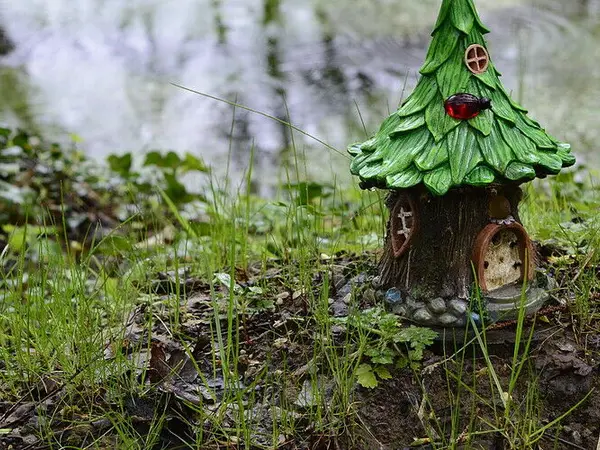
sprite
[sprahyt]
(in folklore) an elf, fairy, or goblin
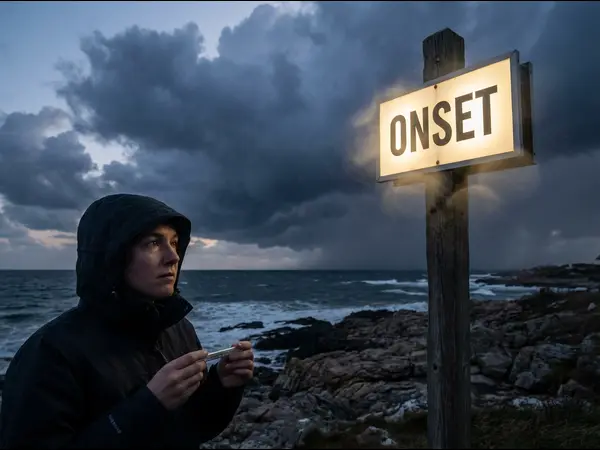
onset
[on-set-set]
the early stages of something
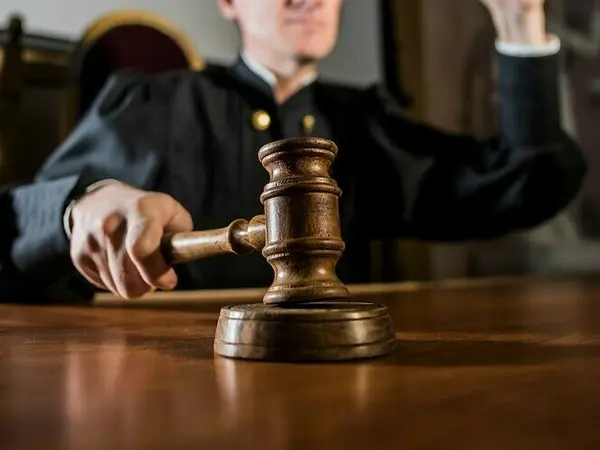
opine
[oh-pahyn]
to hold or express an opinion

beset
[bih-set]
to trouble or surround persistently

uitwaaien
[out-vahyn]
the Dutch practice of jogging or walking into the wind, especially in the winter, for the purpose of feeling invigorated while relieving stress and boosting one’s general health
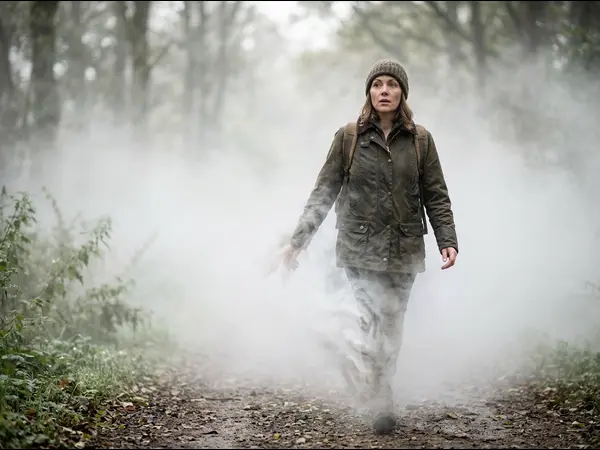
materialize
[muh-teer-ee-uh-lize]
to appear or become actual
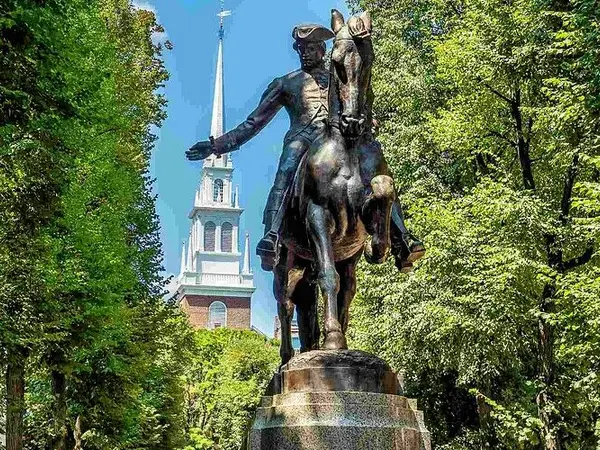
venerate
[ven-uh-reyt]
to regard or treat with reverence; revere
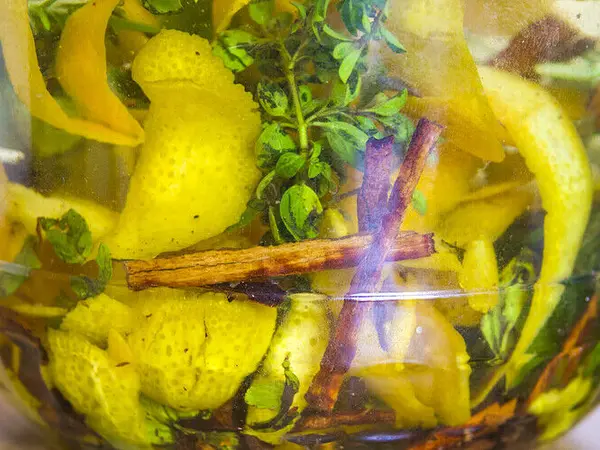
macerate
[mas-uh-reyt]
to soften or separate into parts by steeping in a liquid

beseech
[bih-seech]
to beg eagerly for; solicit

amorphous
[uh-mawr-fuhs]
without a clearly defined shape or form; lacking a clear structure or focus
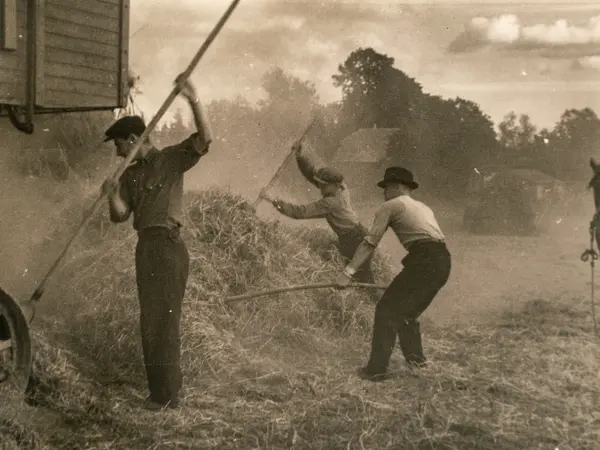
arduous
[ahr-joo-uhs]
requiring great exertion; laborious; difficult

entreat
[en-treet ]
to ask (a person) earnestly; beseech; implore; beg
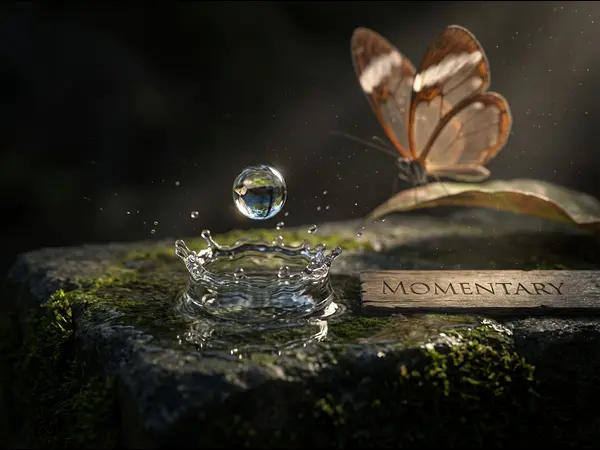
momentary
[moh-muhn-ter-ee]
lasting for a very short time
decorous
[de-cor-ous]
socially proper, appropriate

belong
[bih-lawng]
to be a member or part of something
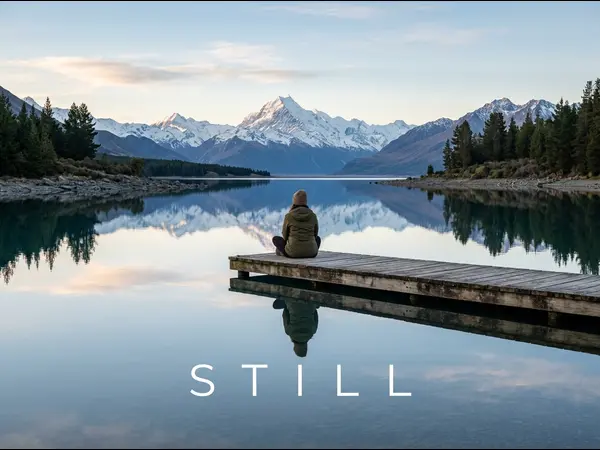
still
[stil]
not moving or making a sound; calm and quiet