
belong
AdjectiveDefinition
What Makes This Word Tick
To belong is to be part of something—accepted into a group, connected to a place, or included in a whole. It carries an emotional undertone of fitting in, not just being present. Compared with “attach,” belong often feels more personal and identity-linked.
If Belong Were a Person…
Belong would be the person who makes room at the table without making you earn it. They notice who’s standing on the edge and quietly pull them into the circle. Their whole vibe says, “You fit here.”
How This Word Has Changed Over Time
The core meaning—being a member or part—has remained mostly consistent. Modern usage often emphasizes the emotional side of membership, where belonging is felt, not just declared.
Old Sayings and Proverbs
A proverb-style idea that fits belong is that people grow where they’re welcomed. It reflects how being part of something—truly included—can shape confidence and stability.
Surprising Facts
Belong can describe both social membership and “part-of” relationships, which makes it flexible in conversation and writing. It often pairs with where or with to show the group or place that provides inclusion. The word can feel quietly powerful because it names a basic human need without sounding dramatic.
Out and About With This Word
You’ll often see belong in stories about friendships, teams, families, and communities—anywhere inclusion matters. It’s also common in reflective writing about identity and place. The word fits when the point is being part of something, not merely being nearby.
Pop Culture Moments Where Belong Was Used
In pop culture, the idea of belonging shows up in found-family stories and outsider-to-insider arcs, where a character finally becomes part of a group. Those scenes often hinge on acceptance, recognition, and a sense of fit. That’s belong: membership that feels real.
The Word in Literature
Writers use belong to signal inclusion and identity in a clean, emotionally resonant way. It can shift a scene from physical setting to inner feeling—where a character stands socially and psychologically. The word often supports themes of home, acceptance, and connection without heavy explanation.
Moments in History with Belong
The concept fits moments where membership is granted, denied, or contested—who is considered part of a community, institution, or place. Belonging can shape safety, opportunity, and identity, even when it’s never stated outright. The word captures that boundary between included and excluded.
This Word Around the World
Across languages, belonging is commonly expressed with verbs meaning “be part of,” “fit,” or “be included,” sometimes with extra wording to emphasize emotional acceptance. Some languages separate the social sense from the ownership/placement sense, while English often lets context do the work.
Where Does It Come From?
The inventory traces belong to Old English roots connected to the idea of being dependent or related, which helps explain why the word often implies connection rather than isolation. Over time, the meaning settled into the modern sense of being part of something—socially or structurally.
How People Misuse This Word
Belong is sometimes used as if it only means “want to be included,” but the word describes being a member or part, not just wishing for it. It can also be used too broadly when “be located” or “be placed” would be clearer. If the point is membership, belong is right; if it’s simple location, another verb may fit better.
Words It’s Often Confused With
Belong overlaps with “fit,” but fit can be purely practical while belong often suggests membership. It also blurs with “attach,” which is more physical or mechanical than social. “Join” is different because it describes the action of becoming part, while belong describes the state of being part.
Additional Synonyms and Antonyms
Additional Synonyms: pertain, be affiliated, be included Additional Antonyms: detach, alienate, expel
Want to Try It Out in a Sentence?
"He finally felt like he had found a place where he could belong."
Explore more words

yelp
[yelp]
to give a quick, sharp, shill cry, as a dog or fox

hobnob
[hob-nob]
to associate on very friendly terms (usually followed by 'with')

tiger
[tahy-ger]
a large, wild cat that lives in asia and usually has orange fur with black stripes

obtuse
[uhb-toos]
not quick or alert in perception, feeling, or intellect; not sensitive or observant; dull

hamartia
[hah-mahr-tee-uh]
a fatal flaw leading to the downfall of a tragic hero or heroine

blithe
[blahyth]
showing a casual and cheerful indifference considered to be callous or improper

matutinal
[muh-toot-n-l]
pertaining to or occurring in the morning; early in the day

oxymoron
[ok-si-mawr-on]
a figure of speech by which a locution produces an incongruous, seemingly self-contradictory effect, as in “cruel kindness” or “to make haste slowly"
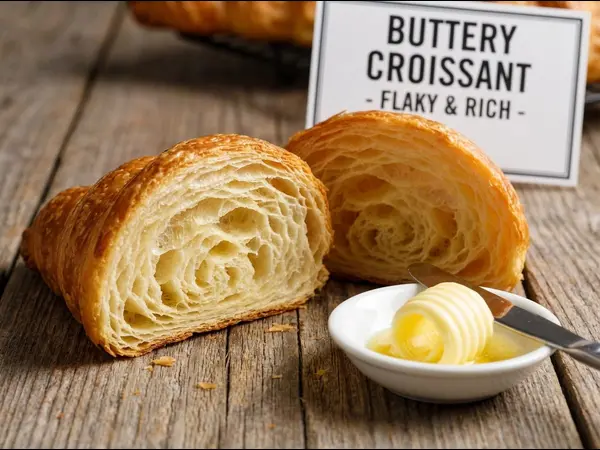
buttery
[buht-er-ee]
having the taste or texture of butter

gild
[g-ild]
to cover something with a thin layer of gold; also used metaphorically to enhance or embellish.
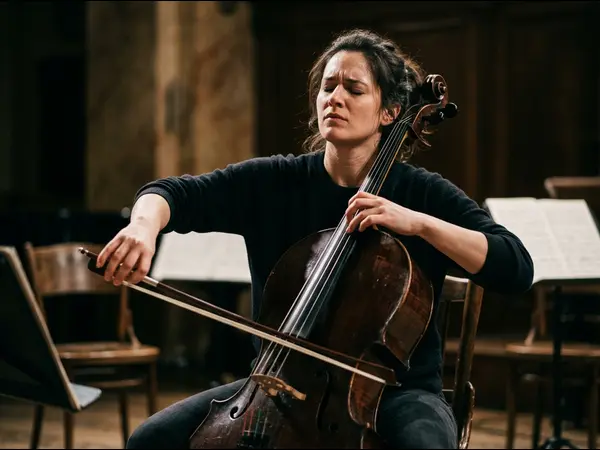
passion
[p-aszhun]
intense emotion, enthusiasm, or desire, often for something or someone.

vitiate
[vish-ee-eyt]
to impair or weaken effectiveness and quality of

disrespectful
[dis-ri-spekt-fuhl]
showing a lack of respect

confidential
[kon-fi-den-shuhl]
intended to be kept private or secret

inveigh
[in-vey]
to protest or complain bitterly or vehemently
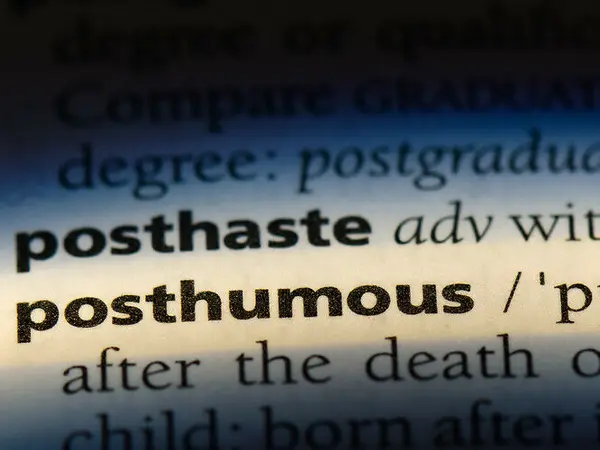
posthumous
[pos-chuh-muhs]
arising, occurring, or continuing after one’s death