
motion
nounDefinition
What Makes This Word Tick
Motion is the act or process of moving or being moved, whether it’s a body crossing a room or a branch swaying in wind. It focuses on change of position or movement as an ongoing action. Against antonyms like stillness and stasis, motion is what makes a scene feel alive and in progress.
If Motion Were a Person…
Motion would be the person who can’t help but shift the room forward—walking, gesturing, nudging things into action. They’re restless in a productive way, always turning “next” into “now.” When they show up, nothing stays frozen for long.
How This Word Has Changed Over Time
Motion has kept a steady core meaning tied to movement and being moved. It still works for everyday physical movement as well as more formal contexts that describe movement as a process.
Old Sayings and Proverbs
A proverb-style idea that matches motion is that progress comes from movement, not standing still. This reflects the idea that motion is the act of moving or being moved, and without it, nothing changes.
Surprising Facts
Motion is often used as a broad, umbrella word because it can describe tiny shifts or big movements without specifying speed or direction. It also comfortably pairs with modifiers (smooth, sudden, constant) to show how movement looks or feels. In writing, the word can add clarity when you want to highlight movement as a continuous process rather than a single action.
Out and About With This Word
You’ll see motion in dance, sports, mechanics, and everyday description whenever movement itself is the focus. It fits especially well when you want to describe flow—how something moves over time—rather than just the start or finish. It’s also common when contrasting activity with stillness.
Pop Culture Moments Where Motion Was Used
In pop culture, the idea of motion often shows up in training montages, chase scenes, and performance moments where movement carries the emotion. That reflects the definition because the spotlight is on the act and process of moving—energy made visible. Motion becomes the signal that change is happening right now.
The Word in Literature
In literary writing, motion is often used when authors want to make a scene feel dynamic through pacing and physical flow. It helps turn description into action by emphasizing movement as an ongoing process rather than a single verb. For readers, the word can smooth transitions and keep attention on what’s shifting in the moment.
Moments in History with Motion
Throughout history, the concept of motion appears anywhere people track movement—travel, migration, work, performance, and machines doing what they’re built to do. This fits the definition because motion is the basic fact of moving or being moved, the condition that makes actions possible. Even small motion can mark the difference between progress and standstill.
This Word Around the World
Many languages have direct equivalents for “motion” tied to words meaning movement or change in position, and they often distinguish motion from stillness in similar ways. The concept travels easily across cultures because it describes a universal physical process.
Where Does It Come From?
Motion is rooted in Latin-based forms that connect to the idea of moving, and English keeps that central meaning intact. Even when used in formal contexts, it still points back to movement as a process.
How People Misuse This Word
Motion is sometimes used when a more specific movement word would be clearer, like step, turn, or gesture. But motion is best when you mean the overall act or process of moving, not a single discrete move.
Words It’s Often Confused With
Motion is often confused with movement, but motion can feel more process-focused and general, while movement can sound more concrete or countable. It also overlaps with activity, though activity can happen without obvious physical motion.
Additional Synonyms and Antonyms
Additional Synonyms: movement, locomotion, stir Additional Antonyms: rest, inertia, quiescence
Want to Try It Out in a Sentence?
"The dancer’s fluid motion captivated the audience."
Explore more words

rouse
[rouz]
to stir or incite to strong indignation or anger

obliterate
[uh-blit-uh-reyt]
to remove or destroy all traces of; do away with; destroy completely

crapulous
[krap-yuh-luhs]
given to or characterized by gross excess in drinking or eating

aplomb
[uh-plom]
imperturbable self-possession, poise, or assurance

carnation
[kahr-ney-shuhn]
any of numerous cultivated varieties of the clove pink, Dianthus caryophyllus, having long-stalked, fragrant, usually double flowers in a variety of colors: the state flower of Ohio

stalactite
[stuh-lak-tahyt]
a deposit, usually of calcium carbonate, shaped like an icicle, hanging from the roof of a cave or the like, and formed by the dripping of percolating calcareous water

abrasive
[uh-brey-siv]
tending to abrade; causing abrasion; abrading

burble
[bur-buhl]
to speak in an excited manner; babble.

euphoric
[yoo-fawr-ik]
intensely happy or confident
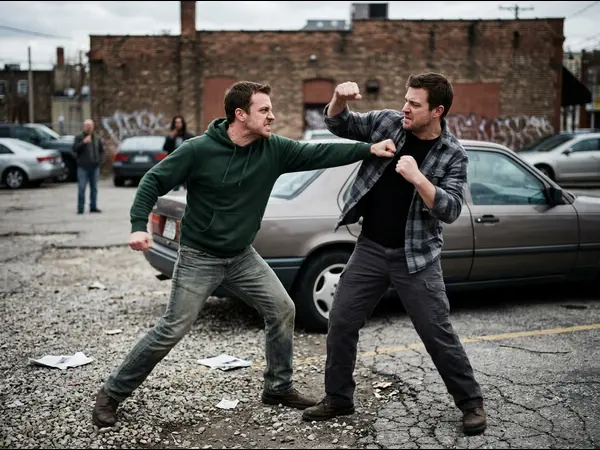
brawl
[br-awl-awl]
a rough or noisy fight or quarrel.
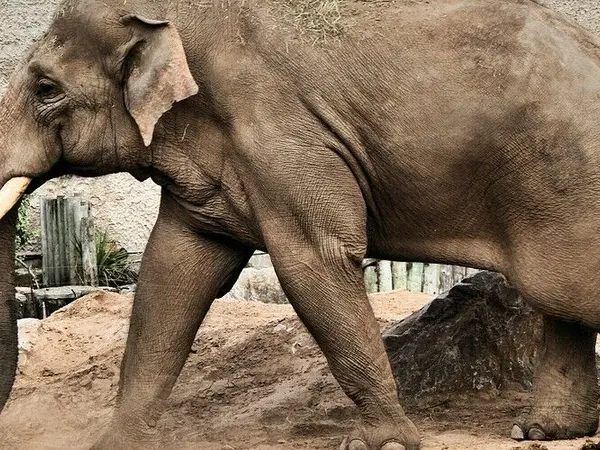
pachyderm
[pak-i-durm]
a very large mammal with thick skin, especially an elephant, rhinoceros, or hippopotamus

collateral
[co-lla-ral]
secondary

policy
[pol-uh-see]
a course of action adopted or proposed by an organization or government; a set of principles or rules.

pellucid
[puh-loo-sid]
allowing the maximum passage of light, as glass; translucent; clear
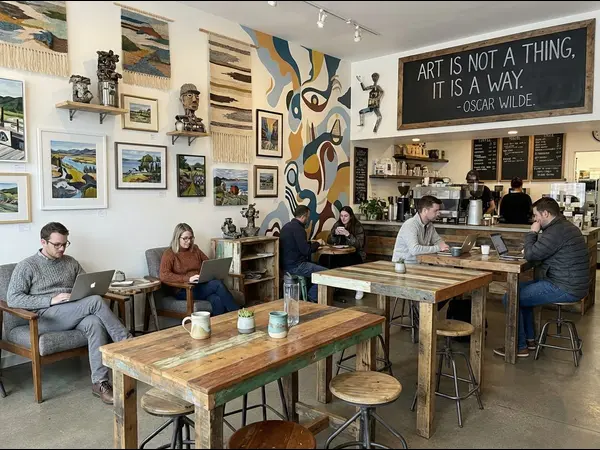
arty
[ahr-tee]
pretentious or overly interested in artistic pursuits

cultivate
[kuhl-tuh-veyt]
to prepare and work on (land) in order to raise crops; till