
glamour
nounDefinition
What Makes This Word Tick
Glamour is the alluring, fascinating quality that makes something seem special, exciting, or desirable. It often suggests a shine that pulls attention—sometimes polished, sometimes a little dreamy. Compared with elegance, glamour can feel more attention-grabbing and more about the spell an image casts.
If Glamour Were a Person…
Glamour would be the friend who walks in and makes the room look brighter. They know how to create a sense of “wow,” even from ordinary materials. But they also keep a little mystery, like not everything is meant to be inspected up close.
How This Word Has Changed Over Time
Glamour has stayed centered on attraction and fascination, especially the kind that makes something feel elevated or exciting. Modern usage often ties it to style and image, but the core idea remains the same: a quality that enchants attention. The meaning stays stable because it describes an effect people instantly recognize.
Old Sayings and Proverbs
A proverb-style idea that matches glamour is that what glitters can distract from what’s real. This reflects glamour because it’s about allure—how something seems special and desirable, sometimes beyond its substance.
Surprising Facts
Glamour often implies perception: it’s not only what something is, but how it appears and feels to observers. The word can be positive (captivating, charming) while still hinting at a constructed surface. It’s especially useful when you want to describe an atmosphere of desirability without listing specific features.
Out and About With This Word
You’ll see glamour in fashion, entertainment talk, design descriptions, and nostalgic reflections on places or eras that once felt dazzling. It also appears in critiques about image-making, where allure and appearance do a lot of work. The word fits best when the focus is on fascination and desirability, not just plain beauty.
Pop Culture Moments Where Glamour Was Used
In pop culture, glamour shows up in stories where image and allure shape opportunity—red-carpet energy, spotlight moments, and the curated “special” feeling that draws crowds. That reflects the definition because glamour is the quality that makes something seem exciting and desirable.
The Word in Literature
In literary writing, glamour is often used to paint atmosphere and temptation, giving scenes a sheen of desirability that can be sincere or misleading. It can heighten tone—sparkle, promise, seduction—while also setting up contrast when reality breaks through. For readers, the word signals an enchanted surface that invites attention and emotion.
Moments in History with Glamour
Throughout history, the concept behind glamour appears in periods and settings where display, status, and spectacle matter—public ceremonies, social scenes, and image-driven culture. It fits because glamour describes the kind of allure that makes something seem special and desirable, often shaping how people respond. In many contexts, glamour becomes a tool for influence through appearance.
This Word Around the World
Many languages have close equivalents for glamour that blend “allure,” “charm,” and “sparkle,” though some emphasize elegance while others emphasize showiness. The closest match depends on whether the context is style, atmosphere, or the spell of desirability.
Where Does It Come From?
The inventory lists a Latin-based origin statement for glamour, but the specific wording is not clearly confirmable as stated. Even so, the modern sense is clear and consistent: an alluring quality that makes something seem special and desirable.
How People Misuse This Word
Glamour is sometimes used as if it means simple beauty, but it’s more about allure and fascination—the “special” pull something has. A plain, quiet beauty might not be glamorous at all.
Words It’s Often Confused With
Glamour is often confused with elegance, but elegance emphasizes refinement while glamour emphasizes magnetic allure. It also overlaps with charm, which can be warmer and more personal, while glamour can be more image-driven. Luxury is different because it’s about richness or cost, while glamour is about the feeling of desirability something projects.
Additional Synonyms and Antonyms
Additional Synonyms: glitz, luster, sophistication, sparkle Additional Antonyms: ordinariness, homeliness, dullness, plainness
Want to Try It Out in a Sentence?
"The old house had lost its glamour but still held a nostalgic charm."
Explore more words

shambolic
[sham-bol-ik]
very disorganized; messy or confused
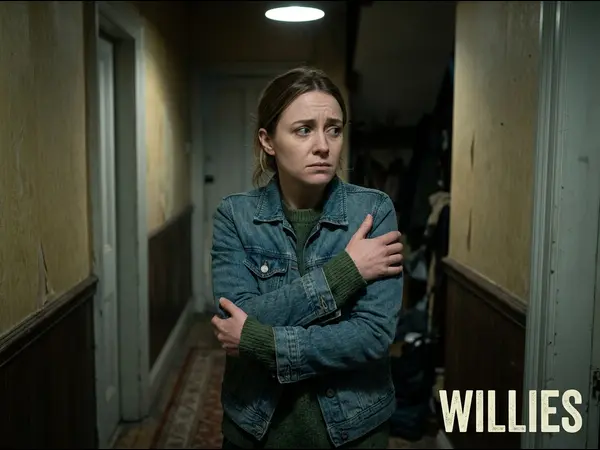
willies
[wil-eez]
a strong feeling of nervousness or unease

brain-teaser
[brayn-tee-zer]
a challenging puzzle or problem requiring thought to solve

open
[oh-puhn]
not closed or locked; accessible to others

forage
[fawr-ij]
to wander or go in search of provisions

gurn
[gurn]
make a comically or repulsively ugly face

manifold
[ma-nif-old]
diverse, varied

yearning
[yur-ning]
deep longing, especially when accompanied by tenderness or sadness
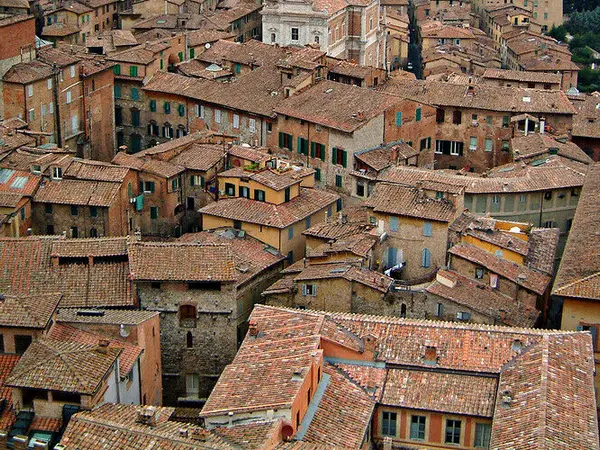
sienna
[see-en-uh]
a ferruginous earth used used as a yellowish-brown pigment (raw sienna) or, after roasting in a furnace, as a reddish-brown pigment (burnt sienna)

incompetent
[ink-omp-et-ent]
lacking the necessary skills, ability, or qualifications to perform a task successfully.

case
[k-as-e]
a container or situation designed for a specific purpose; also refers to an instance or example.

matutinal
[muh-toot-n-l]
pertaining to or occurring in the morning; early in the day
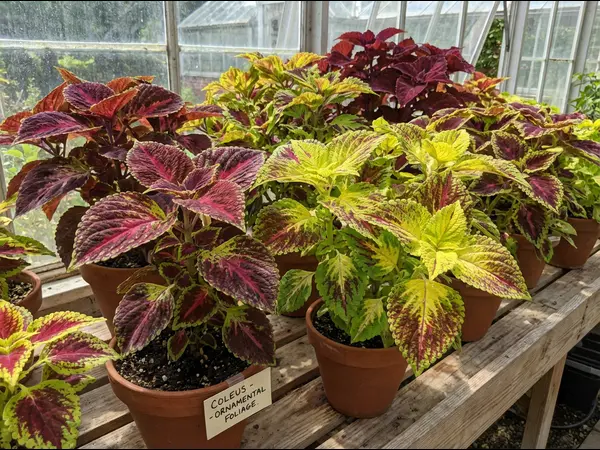
coleus
[koh-lee-uhs]
any of several old world herbs of the mint family that are widely cultivated for their fragrant, often colorful foliage.
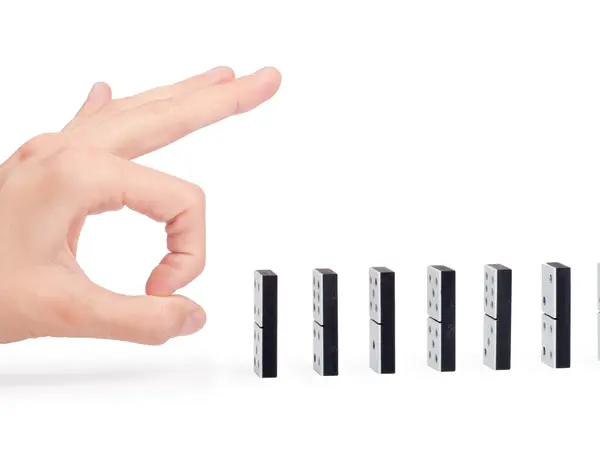
elicit
[ih-lis-it]
to draw or bring out or forth; educe; evoke

cabal
[kuh-bal]
a clique, as in artistic, literary, or theatrical circles

smorgasbord
[smawr-guhs-bawrd]
an extensive array or variety