
bolt
verbDefinition
What Makes This Word Tick
Bolt has a split personality: it can name a fastener, and it can describe sudden, rapid movement—especially running off. Even in the action sense, it feels sharp and instantaneous, like something released. Compared with “run,” bolt adds urgency and surprise.
If Bolt Were a Person…
Bolt would be the person who can’t sit still when the alarm goes off—gone in a flash. But they’d also be the one who knows how to lock things down when it matters. Quick to move, quick to secure.
How This Word Has Changed Over Time
Bolt has long carried both the “fastener” idea and the “sudden movement” idea, and modern use still relies on context to make the meaning clear. Everyday speech often favors the action sense for quick exits, while practical contexts use the hardware sense. The word stays vivid because both senses feel abrupt and firm.
Old Sayings and Proverbs
A proverb-style idea that matches bolt is that “panic makes feet faster than plans.” It captures the sudden, unplanned sprint that bolt describes when someone runs off.
Surprising Facts
Bolt is a great example of how one short word can cover both an object and an action, and context does most of the work. In the action sense, it often implies a trigger—fear, surprise, or urgency—that makes the movement feel involuntary. In writing, it’s a fast way to show speed without extra adjectives.
Out and About With This Word
You’ll see bolt in hardware and DIY contexts for fasteners, and in everyday storytelling for sudden exits—“he bolted.” It also appears in action-heavy descriptions where speed matters. The word fits when things either lock tight or move fast.
Pop Culture Moments Where Bolt Was Used
In pop culture, the idea behind bolt shows up in chase scenes and jump-scare moments where someone takes off instantly. It also appears in heist and suspense plots where locking and unlocking—bolts and barriers—control what’s possible. The concept works because it combines speed with stakes.
The Word in Literature
In literary writing, bolt is often used as a kinetic verb that snaps a scene into motion. It can signal fear, instinct, or urgency with a single beat, keeping pacing tight. The word’s hard sound also supports sharp, sudden action on the page.
Moments in History with Bolt
Throughout history, bolts matter both in daily security—doors, gates, storage—and in moments where people must flee quickly. Sudden flight can reshape decisions in emergencies, while physical fasteners shape how spaces are protected. The concept fits wherever safety depends on either locking down or getting out fast.
This Word Around the World
Across languages, these ideas are often expressed with separate words: one for a fastener and another for sudden running away. Some languages use vivid phrasing for “take off” or “dash,” while the hardware sense stays practical and specific. The shared concept is either firm securing or rapid escape, depending on context.
Where Does It Come From?
Bolt traces back to Old English, originally tied to a short, stout projectile, which helps explain the word’s association with quick, forceful movement. Over time, it also settled into the everyday sense of a strong pin or fastening piece. That history supports both “fast” and “firm” vibes in the modern word.
How People Misuse This Word
Bolt is sometimes used as if it means any kind of running, but it’s best for sudden, immediate movement—often triggered by surprise or fear. It’s also easy to confuse the action sense with the fastener sense in unclear sentences. A quick fix is adding context like “bolt the door” versus “bolt for the exit.”
Words It’s Often Confused With
Dash is similar, but bolt often feels more instinctive and abrupt. Flee emphasizes escaping danger, while bolt can be simply sudden departure. Latch is close to the fastener sense, but a bolt is typically sturdier and more “pin-like.”
Additional Synonyms and Antonyms
Additional Synonyms: sprint, take off, scurry Additional Antonyms: stay, linger, remain
Want to Try It Out in a Sentence?
"The sudden bolt of lightning startled everyone in the room."
Explore more words
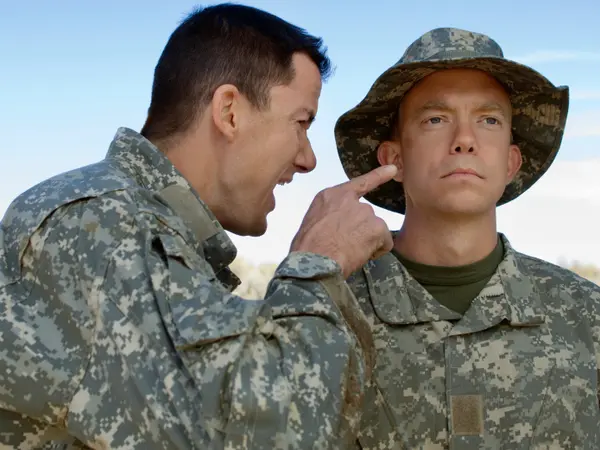
chasten
[chey-suhn]
to inflict suffering upon for purposes of moral improvement; chastise

elide
[ih-lahyd]
to suppress or omit; ignore or pass over

conducive
[kuhn-doo-siv]
tending to produce; contributive; helpful; favorable

proud
[proud]
feeling deep satisfaction from one's achievements or possessions

inculcate
[in-kuhl-keyt]
to implant by repeated statement or admonition; teach persistently and earnestly (usually followed by upon or in)
corroborate
[kuh-rob-uh-reyt]
confirm or give support to (a statement, theory, or finding)

bemuse
[bih-myooz]
to bewilder or confuse

sprite
[sprahyt]
(in folklore) an elf, fairy, or goblin

stalactite
[stuh-lak-tahyt]
a deposit, usually of calcium carbonate, shaped like an icicle, hanging from the roof of a cave or the like, and formed by the dripping of percolating calcareous water

vivify
[viv-uh-fahy]
to give life to; animate; quicken

entwine
[en-twyn]
to twist or coil something around another

burble
[bur-buhl]
to speak in an excited manner; babble.
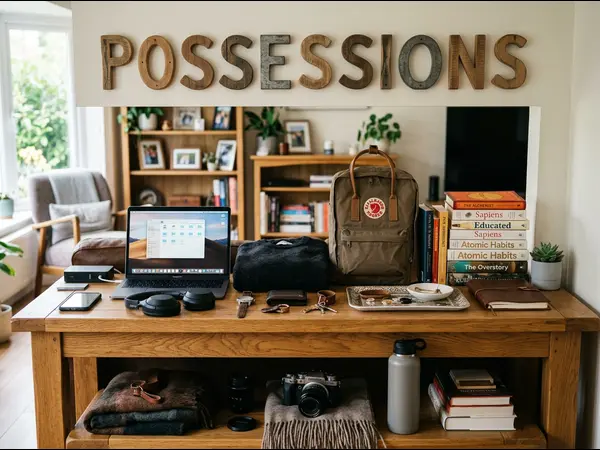
possessions
[puh-zesh-uns]
items that someone owns
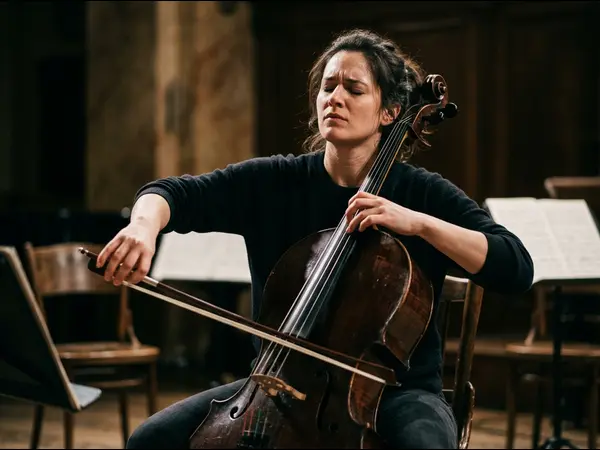
passion
[p-aszhun]
intense emotion, enthusiasm, or desire, often for something or someone.

meander
[mee-an-der]
to wander aimlessly; ramble

treacle
[tree-kuhl]
molasses, especially that which is drained from the vats used in sugar refining