
possessions
nounDefinition
What Makes This Word Tick
Possessions are the items someone owns—the tangible stuff that belongs to them. The word can sound neutral and inventory-like, but it can also carry emotional weight when what you own represents memories or identity. It’s especially useful when you want to talk about “everything a person has” without listing it.
If Possessions Were a Person…
Possessions would be the person with a backpack full of “mine,” carefully zipped and labeled. They can feel comforting, like proof of stability, or heavy, like something you have to drag along. Being around them makes you notice what you keep—and why you keep it.
How This Word Has Changed Over Time
Possessions has remained centered on ownership, covering everything from practical belongings to valued property. Modern use still swings between the everyday (stuff you carry) and the broader idea of assets and holdings, depending on context.
Old Sayings and Proverbs
Proverb-style advice often warns that owning things can be both helpful and distracting, which fits possessions because it names what people keep and claim as theirs. The word works well when the lesson is about value, attachment, or what truly matters.
Surprising Facts
Possessions can be concrete (belongings) or more abstract in tone (assets), but it always points back to ownership. In storytelling, mentioning someone’s possessions can hint at their life—what they prioritize, what they fear losing, or what they’re willing to leave behind. The word often compresses a whole lifestyle into one tidy label.
Out and About With This Word
You’ll see possessions in moving and travel situations, legal or financial contexts, and personal narratives about keeping or letting go. It fits when the focus is on owned items as a set, rather than one object at a time.
Pop Culture Moments Where Possessions Was Used
In pop culture, possessions often matter most in “start over” stories—packing up, losing everything, or choosing what to keep. That reflects the definition because the tension is about owned items as a bundle, and what ownership means when life changes.
The Word in Literature
In literary writing, possessions can quickly sketch character through objects—either by abundance, scarcity, or the specific weight of what’s owned. The word often creates a reflective tone, inviting the reader to consider attachment and identity through material things. It works as a narrative shortcut for “a life reduced to what you own.”
Moments in History with Possessions
Throughout history, possessions have mattered in situations involving property, migration, inheritance, and survival, where what someone owns can shape their choices and security. This fits the definition because possessions are the owned items that people protect, transport, trade, or pass on.
This Word Around the World
Many languages express this with words meaning belongings, property, or owned goods, sometimes distinguishing everyday personal items from larger assets. The concept remains consistent: the things a person owns.
Where Does It Come From?
Possessions comes from Latin roots tied to holding and having, which matches the modern sense of ownership. The origin reinforces the basic idea: possessions are what you “have” in a lasting, claimable way.
How People Misuse This Word
Possessions is sometimes used to mean just “stuff in the room,” but it implies ownership—items that belong to someone. If the items aren’t owned (or ownership is unclear), items or objects may be more accurate.
Words It’s Often Confused With
Possessions can be confused with assets, but assets often emphasizes financial value, while possessions can include sentimental or everyday belongings. It can also overlap with property, though property sometimes leans toward land or legally defined holdings rather than personal items.
Additional Synonyms and Antonyms
Additional Synonyms: effects, chattels, valuables Additional Antonyms: scarcity, need
Want to Try It Out in a Sentence?
"He packed all his possessions into a single suitcase for the trip."
Explore more words
legerdemain
[lej-er-duh-meyn]
sleight of hand; trickery
misunderstand
[m-is-und-erst-and]
to fail to correctly interpret or comprehend something.
inset
[in-set]
a small picture or map within a larger one

fortuitous
[fawr-too-i-tuhs]
happening or produced by chance; accidental
cheat
[cheet]
to act dishonestly to gain an advantage

gustation
[guh-stey-shuhn]
the act of tasting

dubious
[doo-bee-uhs]
doubtful; marked by or occasioning doubt
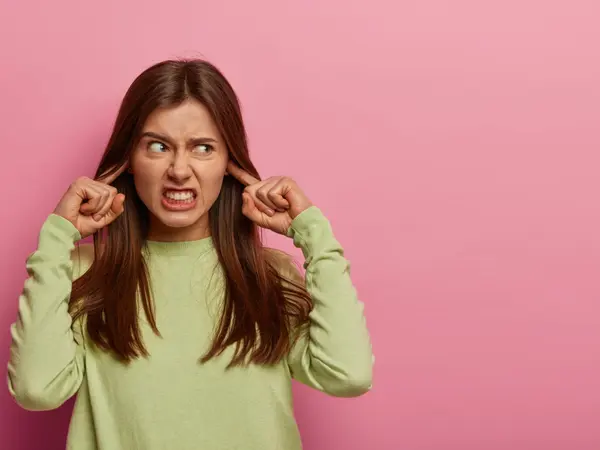
abrasive
[uh-brey-siv]
tending to abrade; causing abrasion; abrading
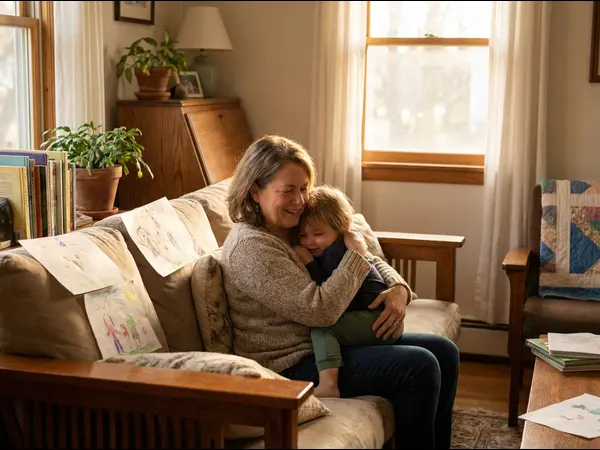
foster
[f-ost-er]
to encourage growth or development; to nurture or care for someone, especially a child.
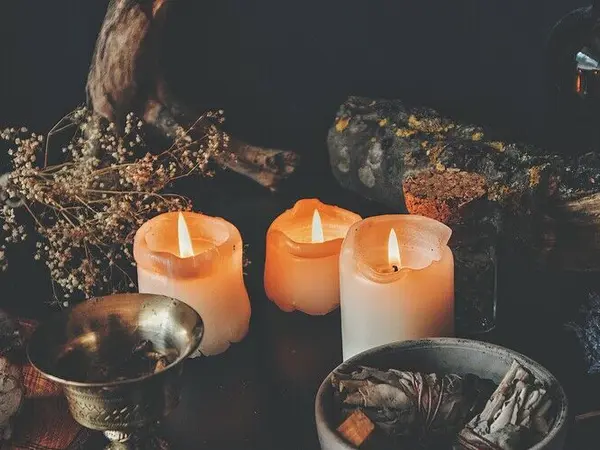
ensorcell
[en-sawr-suhl]
to bewitch, charm, or enchant
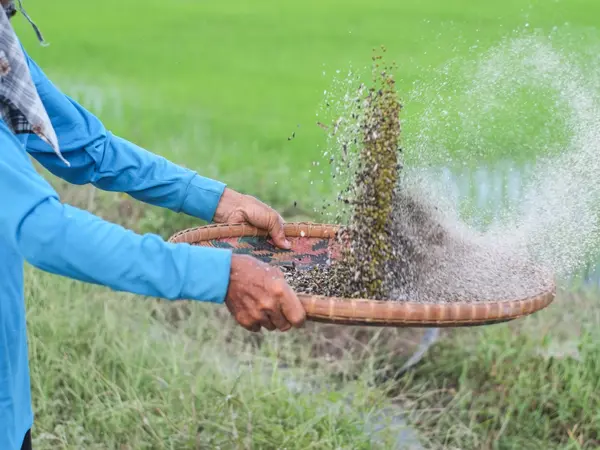
winnow
[win-oh]
to free (grain) from the lighter particles of chaff, dirt, etc., especially by throwing it into the air and allowing the wind or a forced current of air to blow away impurities
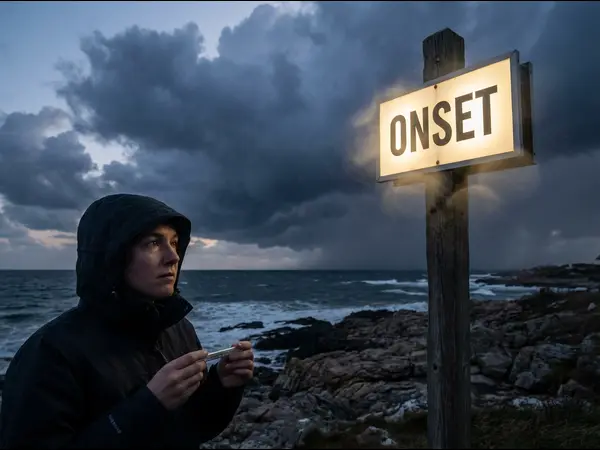
onset
[on-set-set]
the early stages of something
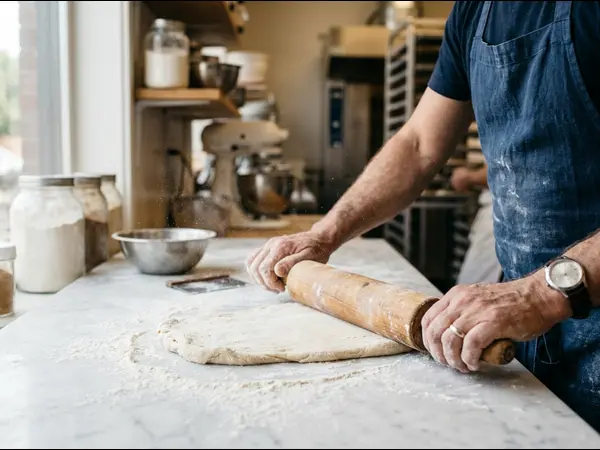
flatten
[fl-att-en]
to make something level, smooth, or less prominent.

abide
[ab-ide-ide]
to put up with
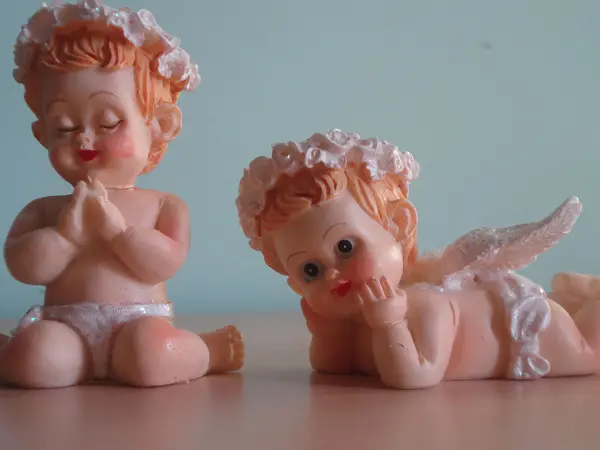
cherubic
[chuh-roo-bik]
of or having the nature of a cherub, or an angel represented as a rosy-cheeked child with wings; angelic
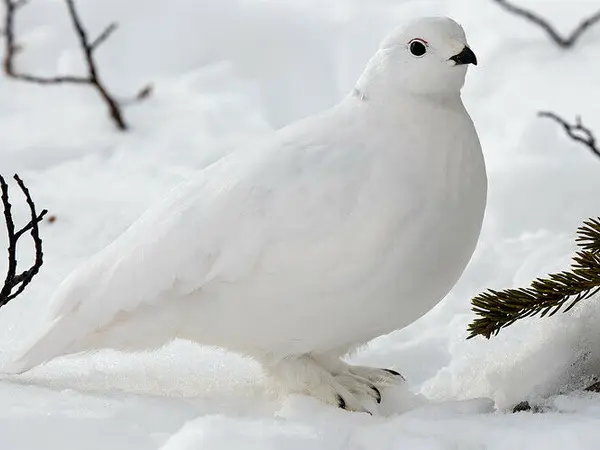
ptarmigan
[tahr-mi-guhn]
any of the several birds from the genus Lagopus