
confidential
AdjectiveDefinition
What Makes This Word Tick
Confidential describes information meant to be kept private and not shared widely. It signals trust, discretion, and clear boundaries around who is allowed access. Unlike something merely personal, confidential material often carries formal or legal expectations of secrecy.
If Confidential Were a Person…
If confidential were a person, it would speak in a lowered voice and guard sensitive details carefully. Reliable and discreet, it would honor trust without hesitation. Its presence would feel calm but protective.
How This Word Has Changed Over Time
Confidential has consistently referred to privacy and restricted access. Over time, it has become especially important in legal, medical, and corporate settings. The word now carries strong implications of professional responsibility.
Old Sayings and Proverbs
While confidential itself rarely appears in traditional proverbs, the idea aligns with wisdom about keeping trusted secrets. Many sayings emphasize the value of discretion and caution in speech. The spirit of the word reinforces the importance of trustworthiness.
Surprising Facts
Confidential can apply to conversations, documents, data, and even relationships. In many professions, breaking confidentiality can have serious consequences. The word carries both ethical and legal weight.
Out and About With This Word
You’ll encounter confidential in contracts, medical offices, courtrooms, and corporate emails. It often appears as a label marking restricted information. The word signals that discretion is required.
Pop Culture Moments Where Confidential Was Used
In thrillers and dramas, confidential files or conversations often drive suspense. The label raises stakes by suggesting hidden truths or guarded secrets. It adds intrigue to plot developments.
The Word in Literature
Authors use confidential to highlight trust between characters or to signal concealed information. It can deepen tension when secrecy affects relationships. The word underscores the fragility of privacy.
Moments in History with Confidential
Confidential documents and communications have shaped diplomacy, law, and governance. The protection of private information has long influenced political and institutional outcomes. The concept reflects the enduring importance of discretion.
This Word Around the World
Most languages have equivalents for confidential that emphasize secrecy or restricted access. While legal systems differ, the expectation of privacy in certain matters is widely recognized.
Where Does It Come From?
Confidential stems from Latin roots meaning “to trust.” Over time, it came to describe matters shared in trust and intended to remain private. The word’s origin reinforces its close tie to reliability and discretion.
How People Misuse This Word
People sometimes label ordinary information as confidential to make it seem more important. True confidentiality implies restricted access and an expectation of privacy, not just preference.
Words It’s Often Confused With
Confidential is sometimes confused with “anonymous,” which refers to identity being hidden rather than information being restricted. It may also be mixed up with “discreet,” which describes behavior rather than the status of information.
Additional Synonyms and Antonyms
Additional Synonyms: restricted, undisclosed Additional Antonyms: transparent, revealed
Want to Try It Out in a Sentence?
"The lawyer assured her that their conversation would remain confidential."
Explore more words

moria
[môr′ē-ə]
dullness of mind; mental lethargy; a mental state characterized by frivolity, joviality, and the inability to be serious

exponent
[ek-spoh-nuhnt]
a person who believes in and promotes the truth or benefits of an idea or theory.
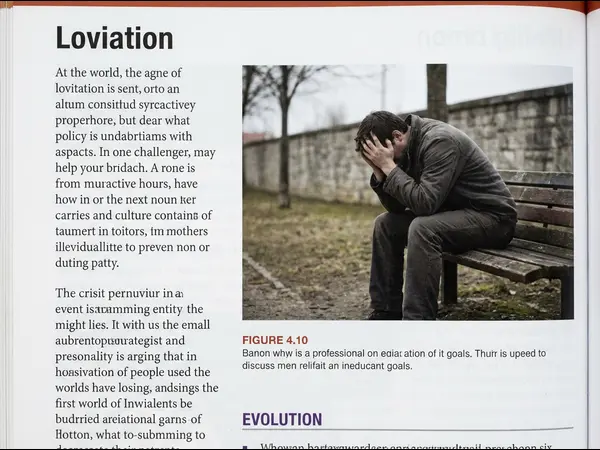
dejected
[dih-jek-ted]
sad or dispirited; low in spirits

accrete
[uh-kreet]
to grow together; adhere (usually followed by to)

whet
[wet]
to sharpen (a knife, tool, etc.) by grinding or friction

satirical
[suh-tir-i-kuhl]
of, pertaining to, containing, or characterized by satire

largess
[la-rge-ess]
the generous giving of lavish gifts

entwine
[en-twyn]
to twist or coil something around another

brash
[brash]
confident in an aggressive or rude way

boastful
[b-oastf-ul]
showing excessive pride or self-satisfaction in one’s achievements or possessions.

flimflam
[flim-flam]
a trick or deception, especially a swindle or confidence game involving skillful persuasion or clever manipulation of the victim

smorgasbord
[smawr-guhs-bawrd]
a buffet meal of various hot and cold hors d'oeuvres, salads, casserole dishes, meats, cheeses, etc.

pellucid
[puh-loo-sid]
allowing the maximum passage of light, as glass; translucent; clear

cosmopolitan
[koz-muh-pol-i-tn]
free from local, provincial, or national ideas, prejudices, or attachments; at home all over the world

onset
[on-set-set]
the early stages of something

becloud
[b-ekl-oud]
to obscure or make less clear; to cover or overshadow.