
decorous
adjectiveDefinition
What Makes This Word Tick
Decorous describes behavior that’s socially proper and appropriate—what fits the setting and shows good manners. It’s about staying within accepted boundaries of conduct, especially in public or formal situations. Although the inventory synonym list is not sense-aligned, the definition clearly points to propriety and suitability.
If Decorous Were a Person…
Decorous would be the person who always knows what’s appropriate and keeps everyone comfortable by following the room’s unwritten rules. They’re calm, measured, and politely restrained. Their superpower is never making a moment awkward.
How This Word Has Changed Over Time
Decorous has remained tied to social propriety and appropriateness. What can change is what a group considers “proper,” but the word itself still points to behavior that suits the situation.
Old Sayings and Proverbs
A proverb-style idea that fits is that good manners keep doors open. That matches decorous because it’s about behaving appropriately so social spaces stay smooth and respectful.
Surprising Facts
Decorous is often used when the stakes are social: ceremonies, meetings, solemn moments, or any context where behavior signals respect. It can be approving, but it can also feel slightly formal, as if you’re judging conduct by a standard. The word is useful when you want to describe propriety without sounding harsh.
Out and About With This Word
You’ll often see decorous in descriptions of etiquette, formal events, and professional settings where “appropriate behavior” matters. It also appears in writing that contrasts polite restraint with rudeness or chaos. When the situation is casual, decorous can sound intentionally formal.
Pop Culture Moments Where Decorous Was Used
In pop culture, the decorous ideal often appears in scenes where characters must “behave properly”—formal dinners, ceremonies, or tense meetings where manners signal respect. It’s also used for contrast when someone breaks the rules and the room reacts.
The Word in Literature
In literature, decorous can quickly establish a social code: characters acting with propriety, restraint, and suitability to the moment. Writers use it to set tone in formal scenes and to highlight tension when someone is tempted to act otherwise.
Moments in History with Decorous
The concept behind decorous behavior matters whenever public manners carry meaning—ceremonies, diplomacy, and moments of respect where conduct signals values. Even without naming a specific event, it’s a recurring feature of public life and tradition.
This Word Around the World
Most languages have words for proper, appropriate, or respectable conduct, but the best choice depends on whether you mean formal etiquette or general suitability. Translating decorous well means keeping the “socially appropriate” emphasis rather than mere tidiness.
Where Does It Come From?
Decorous is tied to Latin roots associated with what is becoming or graceful, which aligns with the idea of behavior that fits social expectations. The origin supports its formal, manners-focused tone.
How People Misuse This Word
A common misuse is treating decorous as meaning “small” or “reduced,” likely because of the inventory synonym list; the definition here is about propriety and appropriateness. Another misuse is using it for purely personal preference—decorous refers to social suitability, not just what one person likes.
Words It’s Often Confused With
Proper is close but broader; decorous often implies manners and restraint in public settings. Respectful emphasizes attitude toward others, while decorous emphasizes fitting conduct. Prim can suggest stiffness or fussiness, while decorous can be simply appropriate.
Additional Synonyms and Antonyms
Additional Synonyms: seemly, appropriate, well-mannered, respectable Additional Antonyms: improper, indecorous, rude, unseemly
Want to Try It Out in a Sentence?
"The appreciative guest displayed decorous behavior toward his host."
Explore more words

beset
[bih-set]
to trouble or surround persistently

prate
[preyt]
to talk excessively and pointlessly; babble

hazy
[hey-zee]
characterized by the presence of haze; misty

accretion
[uh-kree-shuhn]
an increase by natural growth or by gradual external addition; growth in size or extent

felicific
[fee-luh-sif-ik]
relating to or promoting increased happiness

mystifying
[mis-tuh-fahy-ing]
to perplex (a person) by playing upon the person's credulity; bewilder purposely

pitiable
[pit-ee-uh-buhl]
evoking or deserving pity; lamentable; miserable; contemptible

brumal
[broo-muhl]
wintry

ferment
[fer-ment]
to be fermented; undergo fermentation

soporific
[sop-uh-rif-ik]
causing or tending to cause sleep

scurrilous
[skur-uh-luhs]
making or spreading scandalous claims about someone with the intention of damaging their reputation

candor
[kan-der]
the state or quality of being frank, open, and sincere in speech or expression

forage
[fawr-ij]
to wander or go in search of provisions
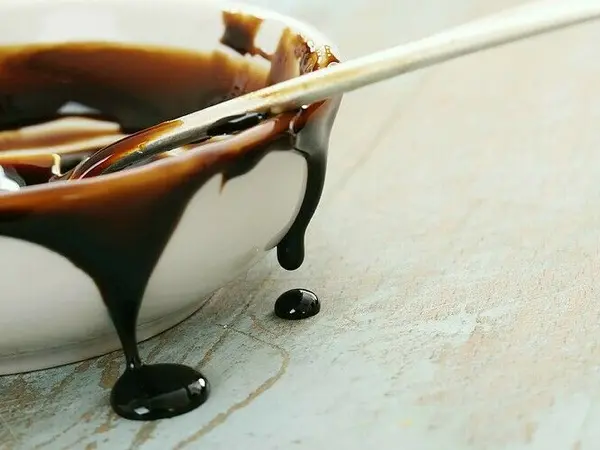
treacle
[tree-kuhl]
molasses, especially that which is drained from the vats used in sugar refining
hazy
[hey-zee]
lacking distinctness or clarity; vague; indefinite; obscure; confused

mammonism
[mam-uh-niz-uhm]
the greedy pursuit of riches