
prate
verbDefinition
What Makes This Word Tick
"Prate" is a delightful little word that has an air of whimsy to it. It captures the essence of talking at length about something that might not be all that important-sort of like the verbal equivalent of a leisurely stroll with no particular destination in mind.
If Prate Were a Person…
Imagine Prate as a chatty neighbor who loves dropping by unannounced with a fresh batch of cookies. They adore sharing stories and have a knack for turning mundane topics into entertaining tales, but sometimes you might wonder if there's a point to it all.
How This Word Has Changed Over Time
Once upon a time, "prate" had a sharper edge to it, often implying idle chatter that could be a bit annoying. Over the years, it has mellowed, and now it can evoke more fondness, like the harmless meandering of thoughts shared with a friend.
Old Sayings and Proverbs That Use Prate
While there aren't any famous proverbs solely about prating, its spirit is captured in "all talk, no action," reminding us that endless talking sometimes leads nowhere.
Surprising Facts About Prate
"Prate" has a surprising kinship with the words "prattle" and "prattle on." They all share a common thread of being associated with light, often trivial, chatter. If you're bilingual, you might appreciate that "prate" has siblings in other languages that equally express chatty behaviors.
Out and About With This Word
We don't usually hear someone say they're off to "prate," but in essence, any lively coffee shop conversation could be seen as a perfect occasion for a good old prate session. It's often the unofficial sport of friendly gatherings.
Pop Culture Moments Where Prate Was Used
You won't find "prate" headlining any modern blockbusters, but you might catch it occasionally in period films or British comedies where dialogue-wielding characters have a flair for verbosity.
The Word in Literature
Literature loves a good prater! Characters who prate often lend comic relief or wit to the dialogue. Think light-hearted novels or plays where conversation takes center stage, and prating weaves into characters that delight with their gift-or curse-of gab.
Moments in History with Prate
Although not capturing headlining events, "prate" might have perfectly described the intense discussions in café societies throughout history-places like 18th-century French salons or London's literary clubs where conversation flowed as freely as the wine.
This Word Around the World
Globally, languages have their own versions of prating, often carrying cultural nuances. In German, you might hear "geschwätzig," while the French might say "bavarder," expressing that universal human trait of lighthearted chatter.
Where Does It Come From?
This charming word traces back to the Middle English "praten," which likely has its roots in Middle Dutch or Low German origins. It's one of those words that has floated across languages, bringing with it a sense of breezy conversation.
How People Misuse This Word
"Prate" can sometimes be mistakenly used in place of "debate" or "inform," which bring a different level of intentionality and substance compared to the often frivolous prate.
Words It's Often Confused With
- Prattle: Both refer to talk, but "prattle" has a more innocent, childlike ring to it.
- Blather: Shares similar ground, though blather can imply a bit more nonsense.
- Ramble: It involves a similar meandering but often about one's actions more than words.
Additional Synonyms and Antonyms
Synonyms like "jabber" and "chatter" capture the spirit of prate quite nicely, while antonyms such as "remain silent" or "ponder" suggest a more reserved demeanor, counter to prating.
Want to Try It Out in a Sentence?
"After the meeting ended, the two colleagues continued to prate about everything from their weekend plans to the latest in town gossip."
Explore more words
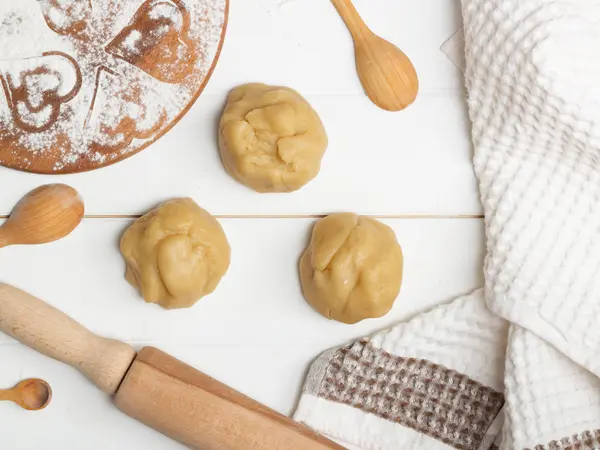
trisect
[trahy-sekt]
to divide into three parts, especially into three equal parts
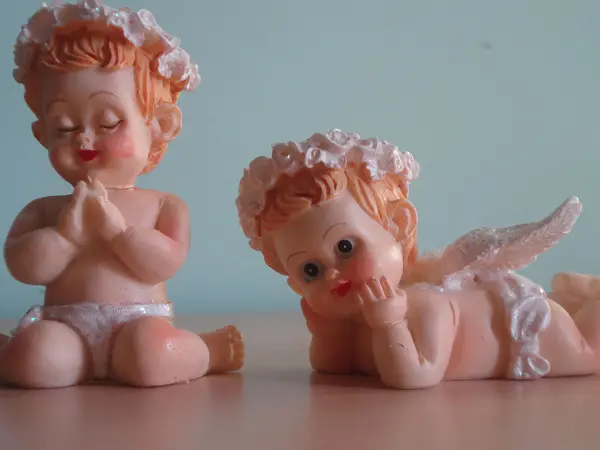
cherubic
[chuh-roo-bik]
having a plump, pretty innocence

commemorate
[kuh-mem-uh-reyt]
to serve as a memorial or reminder of

remunerative
[ri-myoo-ner-uh-tiv]
affording remuneration; profitable
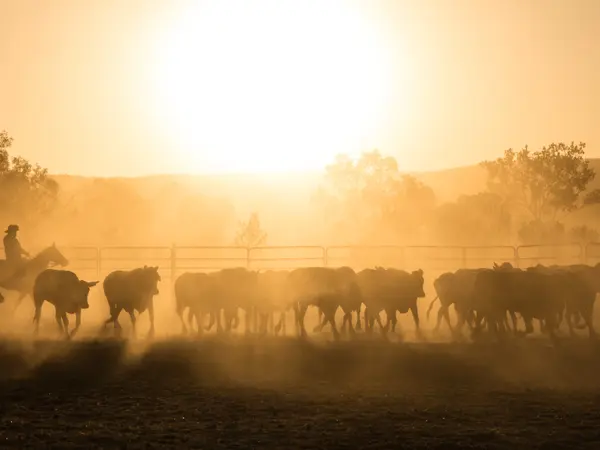
dispel
[dih-spel]
to drive off in various directions; disperse; dissipate
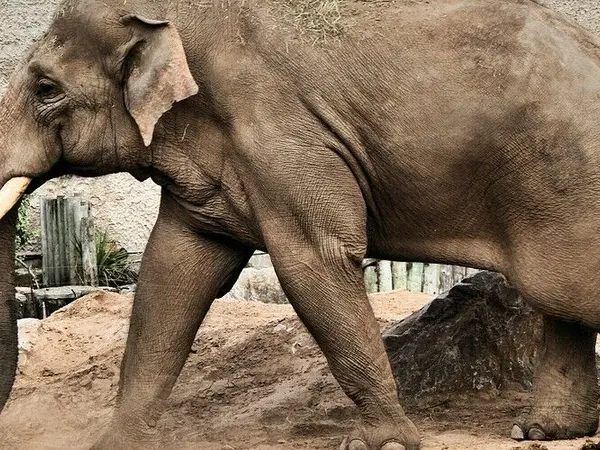
pachyderm
[pak-i-durm]
a very large mammal with thick skin, especially an elephant, rhinoceros, or hippopotamus
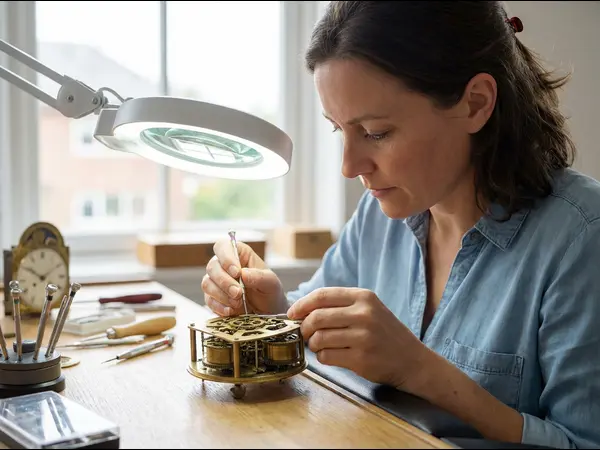
evince
[ev-inc-nce]
to show, reveal
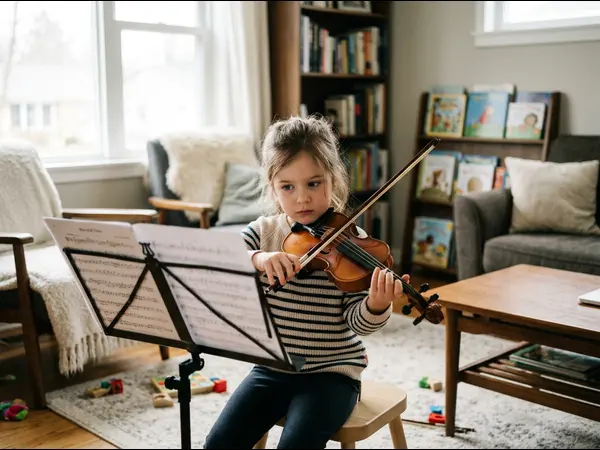
precocious
[pr-eco-ous]
advanced, developing ahead of time
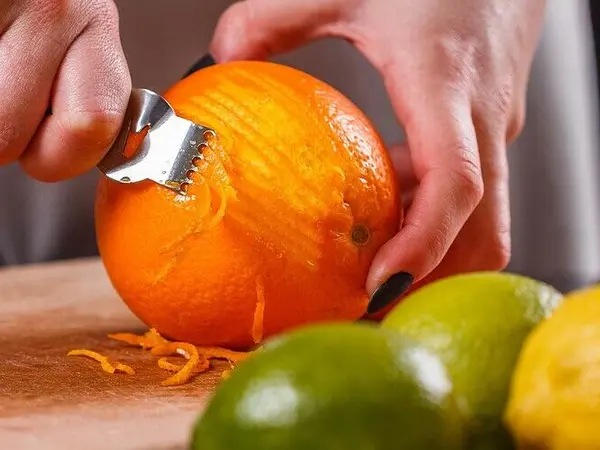
zest
[zest]
keen relish; hearty enjoyment; gusto

askance
[uh-skans]
with suspicion, mistrust, or disapproval

lugubrious
[loo-goo-bree-uhs]
mournful, dismal, or gloomy, especially in an affected, exaggerated, or unrelieved manner

beseech
[bih-seech]
to beg eagerly for; solicit

dock
[dok]
a platform for loading or unloading ships; to deduct something
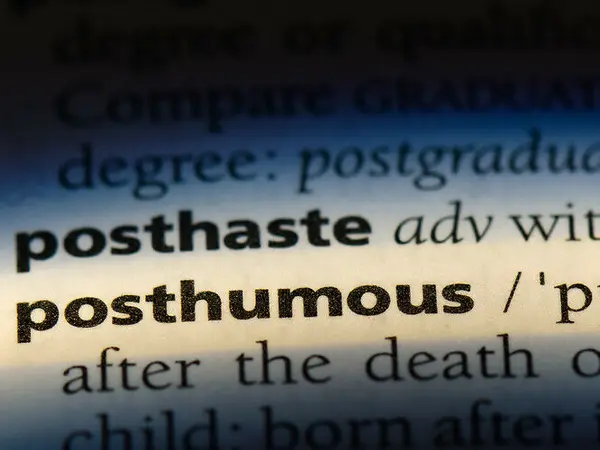
posthumous
[pos-chuh-muhs]
arising, occurring, or continuing after one’s death
militate
[mil-i-teyt]
to have a substantial effect; weigh heavily

cabal
[kuh-bal]
a small group of secret plotters, as against a government or person in authority