
amorphous
adjectiveDefinition
What Makes This Word Tick
"Amorphous" is a delightful adjective that describes something without a definite shape or clear structure. From clouds to concepts, it captures the essence of things that refuse to be neatly categorized. Imagine trying to hold onto a puff of smoke-just when you think you've got it, it slips through your fingers.
If Amorphous Were a Person…
This person would be an avant-garde artist, rarely seen without their paint-splattered overalls and sporting a carefree, bohemian vibe. They'd represent a fusion of ideas and inspirations, never settling into a single style or statement, and likely adore impromptu road trips and unplanned adventures.
How This Word Has Changed Over Time
Originally derived from the Greek word "amorphos," meaning shapeless or without form, "amorphous" has evolved in its application. While it once might have specifically referred to physical forms, it's now equally at home describing abstract concepts, like an amorphous idea that still needs defining.
Old Sayings and Proverbs That Use Amorphous
Here's where things get interesting-amorphous isn't a darling of the proverbial world. But it dances around expressions like "up in the air" or "nebulous," hinting at its indefinable nature. Imagine it talking to sayings like "that's as clear as mud."
Surprising Facts About Amorphous
While it might seem intangible, "amorphous" plays a starring role in the world of science! Amorphous solids, like glass or certain polymers, lack the crystalline structure that characterizes their more orderly cousins. Who knew an adjective could be so, well, structural?
Out and About With This Word
"Amorphous" turns up in discussions about art and design, helping critics articulate the abstract quality of certain works. It's also a favorite in scientific fields, providing a concise way to describe materials and structures that defy traditional boundaries.
Pop Culture Moments Where Amorphous Was Used
Think sci-fi movies with shape-shifting aliens or mystical smoke monsters-"amorphous" captures those elusive forms perfectly. It appeared in dialogues to convey a sense of mystery and ever-changing identity, resonating with audiences and stirring imaginations.
The Word in Literature
With "amorphous," literature finds a tool to describe emotions, landscapes, and existential ideas that are beautifully intangible. It fits comfortably alongside descriptions of eerie fogs in gothic novels or the indescribable feeling of a character at a crossroads.
Moments in History with Amorphous
Picture moments of social upheaval and change- "amorphous" captures the zeitgeist when people are forging new paths. From revolutions to cultural renaissances, it fittingly describes the dynamic, unformed states preceding great leaps forward.
This Word Around the World
While the word "amorphous" doesn't directly translate into every language, its essence is universal. In different cultures, amorphous might be expressed through concepts like the Chinese "Wu Wei,” which speaks to the art of effortless action.
Where Does It Come From?
Tracing back to Greek origins, "amorphous" blends the prefix 'a-' meaning "without," with "morphē," meaning "form." It's stood the test of time by perfectly encapsulating an elusive state in a single, elegant word.
How People Misuse This Word
"Amorphous" is sometimes mistakenly used when people mean "ambiguous." While they both convey a sense of uncertainty, "amorphous" relates to physical or conceptual shapelessness, not unclear meaning.
Words It's Often Confused With
- Ambiguous: Often related to unclear meanings, rather than lack of physical form.
- Nebulous: Both capture a cloudy or unclear state, but nebulous implies fogginess rather than shapelessness.
- Indistinct: While both suggest something not clearly defined, indistinct tends to apply to what is seen or heard.
Additional Synonyms and Antonyms
Synonyms for amorphous include shapeless, formless, and indefinite. On the flip side, antonyms such as structured, defined, and distinct offer clarity and form.
Want to Try It Out in a Sentence?
You might say, "The artist's vision was still amorphous, a swirling mixture of color and emotion yet to be pinned down on canvas."
Explore more words
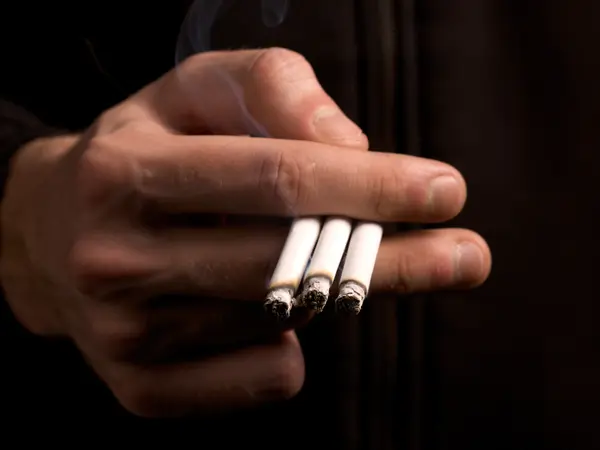
inveterate
[in-vet-er-it ]
settled or confirmed in a habit, practice, feeling, or the like
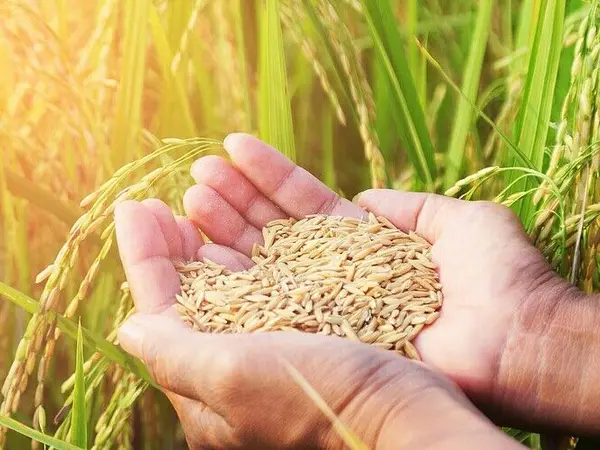
glean
[gleen]
to gather slowly and laboriously, bit by bit

complacency
[kuhm-pley-suhn-see ]
a feeling of quiet pleasure or security, often while unaware of some potential danger, defect, or the like; self-satisfaction or smug satisfaction with an existing situation, condition, etc.

alluring
[uh-loor-ing]
powerfully attractive or charming
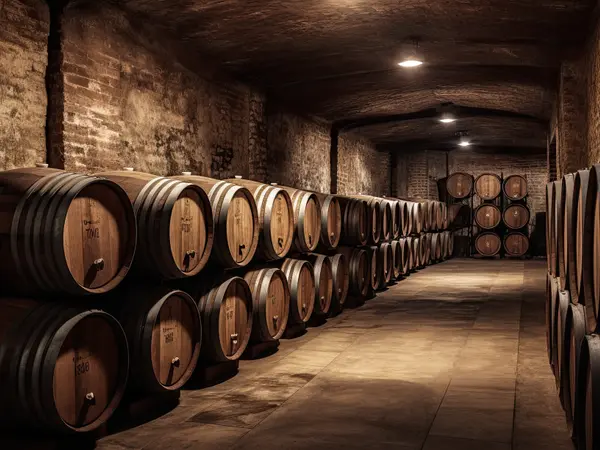
ferment
[fer-ment]
to be fermented; undergo fermentation
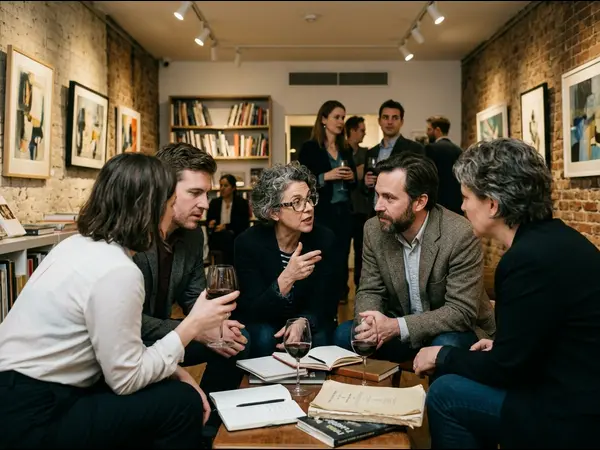
cabal
[kuh-bal]
a small group of secret plotters, as against a government or person in authority
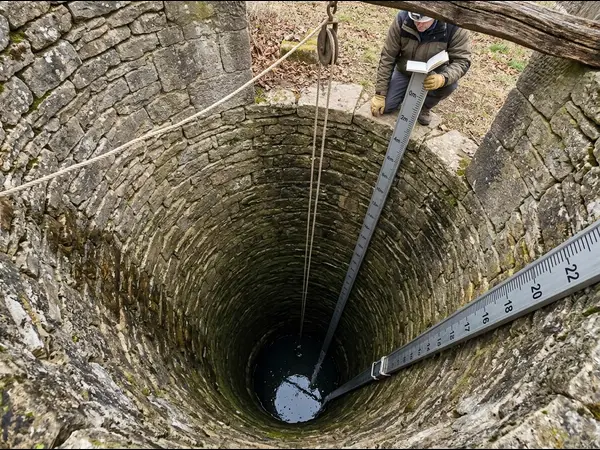
depth
[depth]
the distance from the top to the bottom of something
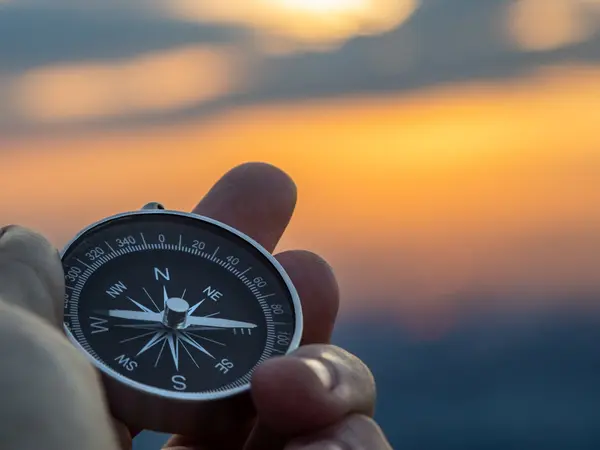
navigate
[nav-i-geyt]
to move on, over, or through (water, air, or land) in a ship, aircraft, etc.

persnickety
[per-snik-i-tee]
overparticular; fussy

pitiable
[pit-ee-uh-buhl]
evoking or deserving pity; lamentable; miserable; contemptible
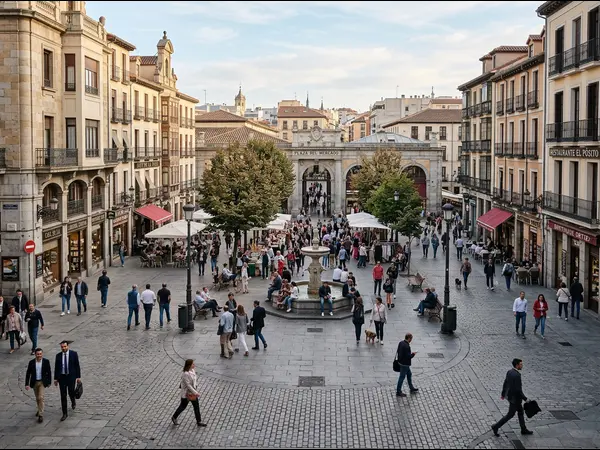
plaza
[plah-zuh]
a public square in a city or town.

dubious
[doo-bee-uhs]
doubtful; marked by or occasioning doubt

epic
[ep-ik]
a long narrative poem or a grand and heroic story

quantitative
[kwon-ti-tey-tiv]
relating to, measuring, or measured by the quantity of something rather than its quality
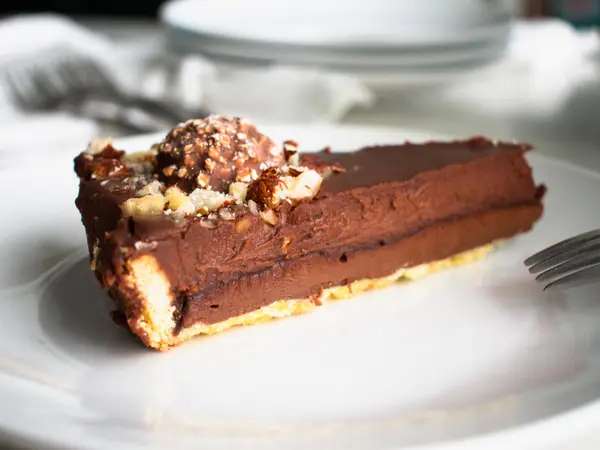
delectable
[dih-lek-tuh-buhl]
delightful; highly pleasing; enjoyable
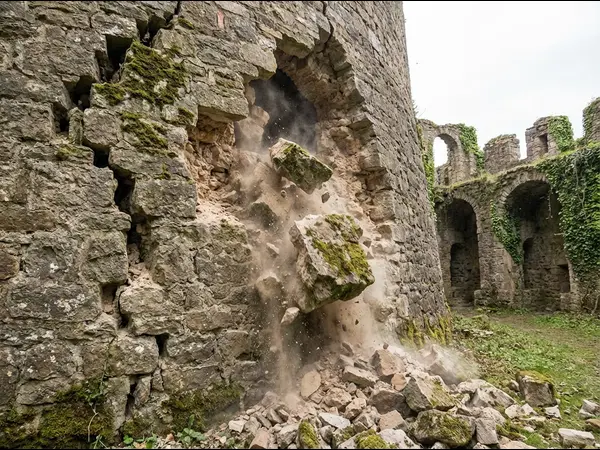
crumbling
[krum-bling]
breaking apart into small fragments