
crumbling
adjectiveDefinition
What Makes This Word Tick
Crumbling describes something breaking down into pieces, often through age, pressure, or neglect. It suggests an ongoing process rather than a single snap. Compared with broken, crumbling implies gradual failure and shedding.
If Word Were a Person
This word would be the old structure that keeps trying to stand, even as small pieces slip away.
How This Word Has Changed Over Time
Crumbling has stayed rooted in physical breakdown, but it’s often used figuratively for weakening systems, plans, or relationships. The image remains the same: a slow loss of integrity.
Old Sayings and Proverbs
There isn’t a fixed proverb featuring crumbling, but proverb-style ideas about “foundations” fit how people use it to talk about stability.
Surprising Facts
Crumbling often implies what caused it—time, weather, stress—without naming the cause directly. That makes it a compact way to suggest history.
Out and About With This Word
You’ll see crumbling in descriptions of buildings, cliffs, cookies, and anything that breaks into bits. It also shows up in analysis of organizations when support or structure is weakening.
Pop Culture Moments
Ruined settings and “before/after” visuals often lean on crumbling details to show decline without dialogue.
The Word in Literature
Writers use crumbling to build atmosphere, especially when decay mirrors mood. It can make a place feel fragile, haunted, or overdue for change.
Moments in History
Crumbling is commonly used for historical imagery of ruins and neglected infrastructure, where physical decay becomes a symbol of shifting eras.
This Word Around the World
Many languages have a close equivalent that combines “falling” with “breaking into pieces.” The shared idea is slow collapse into fragments.
Where Does It Come From
The word is tied to crumble, which names the action of breaking into small bits.
How People Misuse This Word
People sometimes use crumbling for anything “bad” or “messy.” More precisely, it refers to fragmentation or structural breakdown, not just disorder.
Words It’s Often Confused With
Collapsing suggests a larger, sudden fall, while crumbling suggests smaller pieces and gradual breakdown. Decaying overlaps, but decaying emphasizes rot, while crumbling emphasizes fragmentation.
Additional Synonyms and Antonyms
Additional Synonyms: fragmenting, breaking down, flaking Additional Antonyms: sound, sturdy, unbroken
Example Sentence
"The crumbling stone steps forced them to climb slowly and watch their footing."
Explore more words

oxymoron
[ok-si-mawr-on]
a figure of speech by which a locution produces an incongruous, seemingly self-contradictory effect, as in “cruel kindness” or “to make haste slowly"

attention
[uh-ten-shuhn]
notice taken of someone or something

amorous
[am-oro-ous]
showing love, particularly sexual

interlay
[in-ter-ley]
to lay between; interpose

foster
[f-ost-er]
to encourage growth or development; to nurture or care for someone, especially a child.

contrived
[kuhn-trahyvd]
obviously planned or forced; artificial; strained

quip
[kwip]
a clever or witty remark or comment

fabricate
[fab-ri-keyt]
to devise or invent (a legend, lie, etc.)
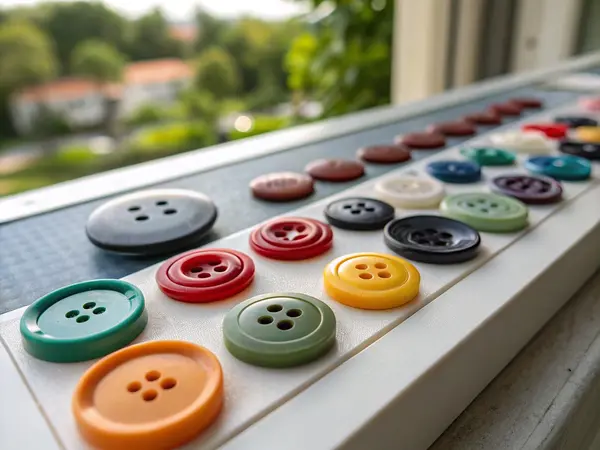
assorted
[ass-ort-ed]
made up of different kinds, often arranged together; varied or diverse.

harlequin
[hahr-luh-kwin]
fancifully varied in color, decoration, etc.

harangue
[huh-rang ]
a scolding or a long or intense verbal attack; diatribe

hazy
[hey-zee]
characterized by the presence of haze; misty

affliction
[uh-flik-shun]
a state of pain, distress, or suffering

solder
[sod-er]
to join closely and intimately

triptych
[trip-tik]
a tablet written on in ancient times with a stylus

umbrage
[uhm-brij]
offense; annoyance; displeasure