
dilly-dally
verbDefinition
What Makes This Word Tick
Dilly-dally means to waste time by being indecisive or aimless, often when action is expected. It’s playful in sound but serious in implication, especially when deadlines loom. Compared with procrastinate, dilly-dally feels lighter and more conversational.
If Dilly-dally Were a Person…
Dilly-dally would be the friend who can’t decide what to order and keeps everyone waiting. They wander, hesitate, and get distracted by small details. Their pace is meandering rather than focused.
How This Word Has Changed Over Time
Dilly-dally has kept its informal, slightly humorous tone while describing delay and indecision. It’s long been used in everyday speech rather than formal writing.
Old Sayings and Proverbs
A familiar parental warning is “Don’t dilly-dally,” especially when time is short. The phrase captures the word’s sense of avoidable delay and wandering focus.
Surprising Facts
Dilly-dally is a reduplicative word, meaning its rhythm and repetition add to its playful tone. That bouncy sound softens the criticism, making it less harsh than saying someone is irresponsible. It’s a good example of how sound can shape mood.
Out and About With This Word
You’ll hear dilly-dally in casual conversation, especially in family settings or friendly reminders. It’s common when someone is moving too slowly or getting sidetracked. In formal writing, other words like delay or procrastinate are usually preferred.
Pop Culture Moments Where Dilly-dally Was Used
In pop culture, characters often get told not to dilly-dally when urgency matters, adding a lighthearted tone to tense moments. The word works because it sounds playful even when the situation is serious.
The Word in Literature
In literature, dilly-dally can add humor or characterization, signaling a relaxed or indecisive personality. Authors use it sparingly because of its informal feel, often in dialogue rather than narration.
Moments in History with Dilly-dally
The concept behind dilly-dally appears whenever delay leads to missed opportunities or frustration. While the word itself is informal, the behavior it describes has long shaped outcomes when hesitation costs time.
This Word Around the World
Many languages have informal, rhythmic expressions that mean to waste time or linger unnecessarily. Translating dilly-dally well often requires choosing a similarly playful term rather than a stiff, formal one.
Where Does It Come From?
Dilly-dally is of uncertain origin and formed through playful repetition, which matches its light, rhythmic sound. The reduplicative style helps explain why it feels casual and friendly despite pointing out delay.
How People Misuse This Word
Dilly-dally is sometimes used for any pause, but it’s best reserved for unnecessary or indecisive delay. If someone is carefully planning or thoughtfully considering, dilly-dally may unfairly suggest laziness.
Words It’s Often Confused With
Dilly-dally is often confused with procrastinate, but procrastinate can be more serious and long-term. Linger suggests staying longer than expected, though not necessarily indecisively. Stall implies deliberate delay, while dilly-dally can be aimless rather than strategic.
Additional Synonyms and Antonyms
Additional Synonyms: dawdle, drag one’s feet, idle, hesitate Additional Antonyms: expedite, advance, press on, accelerate
Want to Try It Out in a Sentence?
"Stop dilly-dallying and finish your homework before dinner."
Explore more words
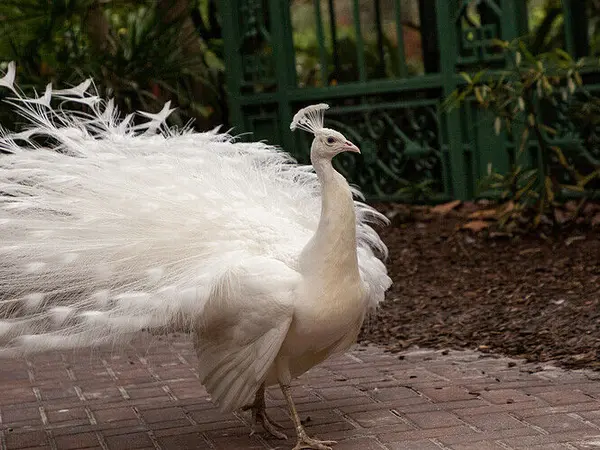
sashay
[sa-shey]
to glide, move, or proceed easily or nonchalantly

docile
[dos-uhl]
ready to accept control or instruction; submissive

recondite
[ri-kon-dahyt]
dealing with very profound, difficult, or abstruse subject matter

nonplussed
[non-pluhst]
completely puzzled or perplexed by something unexpected

blithe
[blahyth]
happy or joyous
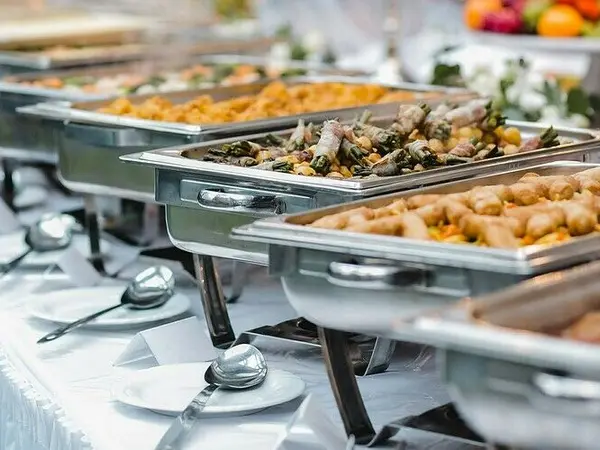
smorgasbord
[smawr-guhs-bawrd]
a buffet meal of various hot and cold hors d'oeuvres, salads, casserole dishes, meats, cheeses, etc.
diphthong
[dif-thawng]
a sound formed by the combination of two vowels in a single syllable, in which the sound begins as one vowel and moves toward another (as in coin, loud, and side)

cerebral
[suh-ree-bruhl]
intellectual rather than emotional

glut
[gluht]
to feed or fill to excess; cloy

quantitative
[kwon-ti-tey-tiv]
relating to, measuring, or measured by the quantity of something rather than its quality

attention
[uh-ten-shuhn]
notice taken of someone or something

bamboozled
[bam-boo-zuhld]
concealed ones true motives from (someone) by elaborately feigning good intentions so as to gain an end hoodwinked.

glamour
[gl-am-our]
the alluring or fascinating quality that makes something seem special, exciting, or desirable.

giant
[jy-unt]
an extremely large or powerful being or thing
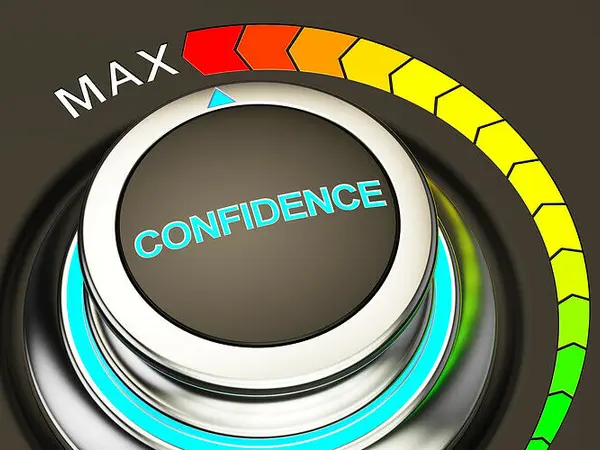
aplomb
[uh-plom]
imperturbable self-possession, poise, or assurance
arduous
[ahr-joo-uhs]
requiring great exertion; laborious; difficult