
aplomb
nounDefinition
What Makes This Word Tick
The word “aplomb” speaks of cool, composed confidence that doesn't break a sweat even in the heat of a moment. Picture someone who walks a tightrope in front of a crowd, not a hint of anxiety on their face-a perfect embodiment of aplomb.
If aplomb Were a Person…
Aplomb would be the person you call when you're stuck on a crossword puzzle and the clock is ticking. Always calm, collected, and with an uncanny knack for solving problems, they inspire others with their assured presence. You know they'll handle even the toughest conundrums with grace.
How This Word Has Changed Over Time
"Aplomb" has remained remarkably steadfast in its meaning. Originally rooted in the French word for "plumb line," used to measure depth-like a person with aplomb, always balanced and true-it transitioned to describe measured, unwavering confidence.
Old Sayings and Proverbs That Use aplomb
While "aplomb" itself may not often appear in traditional proverbs, the concept behind it is timeless: “Keep your head when all about you are losing theirs” aptly represents aplomb's essence.
Surprising Facts About aplomb
Interestingly, "aplomb" shares roots with the construction world. The idea of being true and perfectly vertical, as measured by a plumb bob, seamlessly parallels the unwavering confidence it came to denote.
Out and About With This Word
You might hear “aplomb” in settings ranging from executive boardrooms to elegant dinner parties. It's the perfect compliment to give someone who's navigated a sticky situation with their feathers decidedly unruffled.
Pop Culture Moments Where aplomb Was Used
In films, characters like James Bond often exude aplomb, neutralizing threats with a self-assured flair that's both enviable and entertaining. Who hasn't dreamed of handling life's curveballs with such panache?
The Word in Literature
Aplomb finds a home in literature detailing adventures and mysteries, where protagonists must face daunting odds with poise. Think of Jane Austen's Elizabeth Bennet, who navigates high society's expectations with aplomb and wit.
Moments in History with aplomb
Think of Neil Armstrong's moon landing-a moment that required nerves of steel. While "aplomb" might not have been the first word on his mind, his serene professionalism under pressure was its very embodiment.
This Word Around the World
Globally, aplomb might be expressed through different words or phrases, yet the idea remains common. In Japan, for example, the concept of "Shinrai" (trust and confidence) echoes similar sentiments.
Where Does It Come From?
English borrowed "aplomb" from the French in the 19th century, originally meaning “perpendicularity, steadiness," which became symbolic of emotional and psychological steadiness.
How People Misuse This Word
"Aplomb" is sometimes confused with "arrogance" or overconfidence. True aplomb, however, is grounded in authenticity and even humility, far from any unwarranted self-importance.
Words It's Often Confused With
- Poise: While similar, poise emphasizes physical grace along with composure.
- Arrogance: Conveys an overbearing sense of self-importance, unlike the calm assurance of aplomb.
- Confidence: Broadly refers to self-assurance, which aplomb exemplifies under duress.
Additional Synonyms and Antonyms
- Synonyms: Assurance, composure, poise.
- Antonyms: Discomposure, anxiety, insecurity.
Want to Try It Out in a Sentence?
Despite the turbulent flight, the pilot landed the plane with aplomb, earning a round of applause from relieved passengers.
Explore more words

quip
[kwip]
a clever or witty remark or comment

toplofty
[top-lawf-tee, -lof-]
condescending; haughty

schmooze
[shmooz]
to chat idly; gossip

septuagenarian
[sep-choo-uh-juh-nair-ee-uhn]
a person who is between 70 and 80 years old
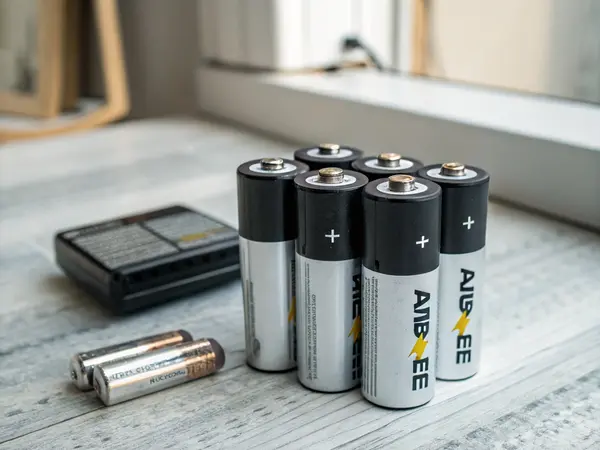
battery
[ba-tte-ery]
a device that supplies power

obliterate
[uh-blit-uh-reyt]
to blot out or render undecipherable (writing, marks, etc.); efface
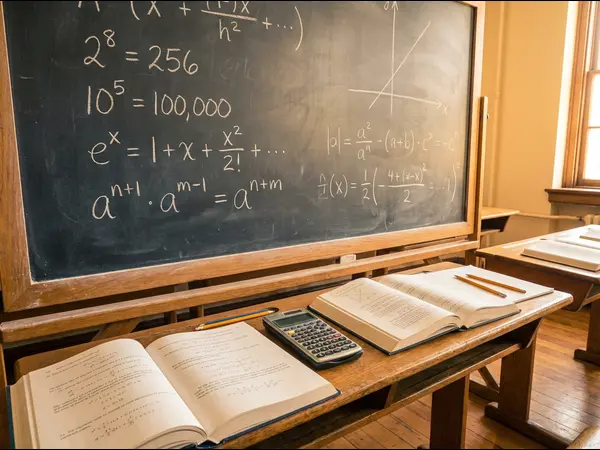
exponent
[ek-spoh-nuhnt]
a person who believes in and promotes the truth or benefits of an idea or theory.

schadenfreude
[shahd-n-froi-duh]
satisfaction or pleasure felt at someone else's misfortune

glean
[gleen]
to gather slowly and laboriously, bit by bit

brace
[brays]
a device used to support or hold something in place

enunciate
[ih-nuhn-see-eyt]
to utter or pronounce (words, sentences, etc.), especially in an articulate or a particular manner

giant
[jy-unt]
an extremely large or powerful being or thing

philanthropic
[fil-uhn-throp-ik]
of, pertaining to, engaged in, or characterized by philanthropy; benevolent

chartreuse
[shahr-trooz]
a clear, light green with a yellowish tinge

beguile
[bih-gahyl]
to pass time pleasantly

flimflam
[flim-flam]
a piece of nonsense; twaddle; bosh