
cake
verbDefinition
What Makes This Word Tick
Cake brings to mind a sweet baked dessert made from ingredients like flour and sugar, often saved for celebrations. The word feels concrete and comforting, because it points to something you can picture immediately. Even when people talk about cake casually, it tends to carry a hint of treat-yourself energy.
If Cake Were a Person…
Cake would be the cheerful friend who shows up with something festive “just because.” They’re colorful, a little indulgent, and happy to be the center of attention for a moment. Their presence makes ordinary days feel like occasions.
How This Word Has Changed Over Time
Cake has stayed closely linked to the idea of a baked dessert, but the kinds of cakes people imagine have broadened over time. The word now covers everything from simple home baking to highly decorated showpieces. Even with that variety, the core sense remains: a sweet, baked treat.
Old Sayings and Proverbs
Cake often shows up in proverb-style wisdom about rewards and desire, where the dessert stands for something appealing. The bigger idea is that treats come with tradeoffs—effort, timing, or restraint. Even when a saying doesn’t name cake directly, the concept of a “special sweet” is doing similar work.
Surprising Facts
Cake is a word that can instantly suggest celebration without naming an event. It also carries a strong visual component, since decoration is part of how people talk about it. Because it’s so familiar, small descriptive choices—like texture or frosting—can change the whole picture in a reader’s mind.
Out and About With This Word
You’ll hear cake in kitchens, bakeries, party planning, and casual conversation about desserts. It’s also common in descriptions and reviews when people talk about flavor, sweetness, or decoration. In everyday speech, the word often signals a treat or a celebratory moment, even if it’s just a small slice.
Pop Culture Moments Where Cake Was Used
In pop culture, cake tends to appear as a symbol of celebration, temptation, or comfort—something characters crave, share, or dramatically reveal. It’s an easy visual shorthand for “special occasion.” The concept lands fast because almost everyone already has a personal reference point for what cake means.
The Word in Literature
In literary writing, cake often works as a warm detail that grounds a scene in everyday pleasure. It can signal domestic comfort, social ritual, or a reward after difficulty. Writers like it because a single word can suggest smell, taste, and mood all at once.
Moments in History with Cake
The idea behind cake fits historical moments of gathering—feasts, milestones, and community celebrations where shared food mattered. It also connects to the history of home baking and hospitality, where sweets marked generosity. Without naming specific dates, the concept reflects how desserts often signal “this moment is important.”
This Word Around the World
Across languages, this idea is usually expressed through words for a sweet baked dessert, though the exact form varies by cuisine. Some cultures emphasize sponge cakes, others layered pastries, and others dense or syrup-soaked sweets. The shared thread is a celebratory or treat-like dessert made from a prepared batter or dough.
Where Does It Come From?
Your inventory traces cake to Latin. Regardless of origin specifics, the modern meaning is strongly anchored to everyday food culture, which helps keep the word’s sense stable.
How People Misuse This Word
People sometimes call any sweet baked item a cake, even when it’s really a cookie, pastry, or bread-like loaf. The word can also be stretched to cover desserts that aren’t baked at all, which can blur expectations. If it’s meant to be cake in the classic sense, the baked, sweet dessert idea should still be central.
Words It’s Often Confused With
Pie is also a dessert, but it’s typically defined by a crust and a filling rather than a baked batter. Pastry is broader and often flaky, while cake suggests a softer crumb structure. Bread can look similar in a loaf shape, but cake is defined by sweetness and dessert intent.
Additional Synonyms and Antonyms
Additional Synonyms: dessert, sweet treat, confection, gateau Additional Antonyms: savory dish, main course, appetizer, snack
Want to Try It Out in a Sentence?
"The birthday cake was beautifully decorated with layers of frosting and fondant."
Explore more words

borborygmus
[bawr-buh-rig-muhs]
a rumbling or gurgling noise made by the movement of fluid and gas in the intestines
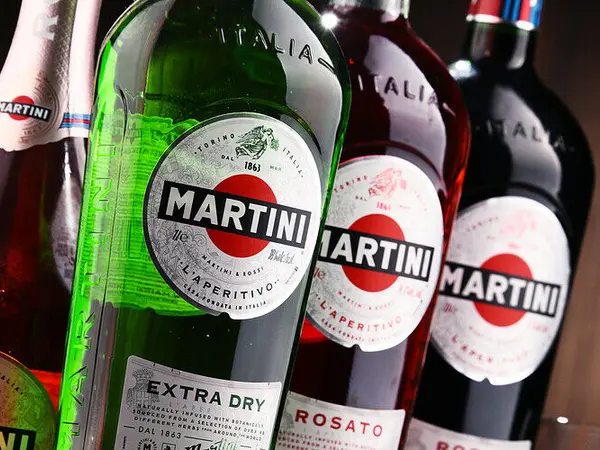
vermouth
[ver-mooth]
a white wine in which herbs, roots, barks, and bitters have been steeped to make it aromatic

frenzied
[fren-zeed]
violently agitated; frantic; wild

estranged
[ih-streynjd]
displaying or evincing a feeling of alienation; alienated

iconoclast
[ic-ono-ast]
one who attacks common beliefs or institutions

drowse
[drouz]
to be sleepy or half-asleep

pylon
[pay-lon]
a marking post or tower for guiding aviators, frequently used in races

relentlessly
[ri-lent-lis-lee]
in a determined and persistent way, without pause

persiflage
[pur-suh-flahzh]
light and slightly contemptuous mockery or banter

empirical
[em-pir-i-kuhl]
derived from or guided by experience or experiment

brash
[brash]
confident in an aggressive or rude way

pretermit
[pree-ter-mit]
to let pass without notice; disregard
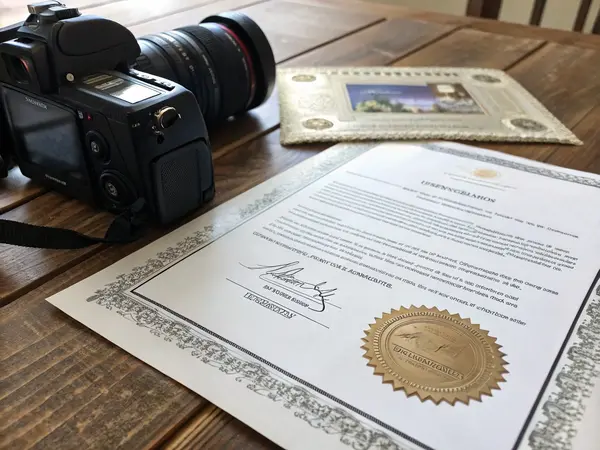
authentic
[aw-then-tik]
genuine, real, or original; not a copy, imitation, or counterfeit; conforming to the source or representing true characteristics or qualities.

attention
[uh-ten-shuhn]
notice taken of someone or something
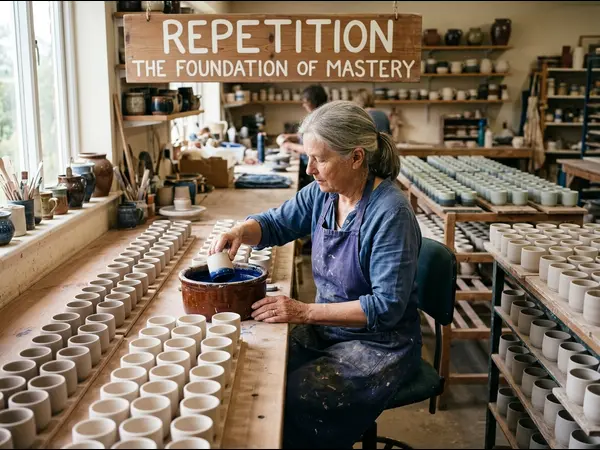
repetition
[r-ep-et-ishun]
the act of doing, saying, or showing something again, often to emphasize or reinforce.

charlatan
[shahr-luh-tn]
a person who pretends or claims to have more knowledge or skill than he or she possesses; quack