
tiger
nounDefinition
What Makes This Word Tick
A tiger is a large wild cat, typically associated with Asia, known for orange fur and black stripes. The word points to an animal that feels both beautiful and powerful, often linked with strength and danger. Compared with “big cat,” tiger is specific and instantly visual.
If Tiger Were a Person…
Tiger would be the person who walks in with quiet confidence and makes everyone notice without trying. They’re intense, alert, and hard to ignore. Being around them feels like energy held tightly under control.
How This Word Has Changed Over Time
Tiger has stayed attached to the same animal and its defining look, remaining a stable name for a striped wild cat. Modern usage still leans on those clear identifying traits because they’re so distinctive.
Old Sayings and Proverbs
A proverb-style idea that matches tiger is that power demands respect, especially when danger is part of the picture. This reflects the definition because a tiger is a large wild predator, impressive and not harmless.
Surprising Facts
Tiger is a strong image-word: it carries color and pattern right inside the definition, so it’s easy to picture. Because the animal is a predator, the word often suggests strength and seriousness even in plain description. It also tends to evoke habitat and wildness more strongly than many other animal names.
Out and About With This Word
You’ll often see tiger in nature writing, animal education contexts, and descriptive storytelling that needs a clear, vivid creature. It’s also common wherever people talk about wildlife and the characteristics that make species recognizable. The word fits best when you mean the striped wild cat itself, not a metaphor.
Pop Culture Moments Where Tiger Was Used
In pop culture, tigers often appear as symbols of power and wild beauty—animals used to raise the stakes of a scene or emphasize danger. That reflects the meaning because a tiger is literally a large wild cat and predator, visually striking and formidable.
The Word in Literature
In literature, tiger is often used for vivid imagery because its stripes and wildness are instantly recognizable. Writers can use the word to sharpen mood—tension, awe, or fear—without adding much explanation. The definition supports that effect because the animal’s size and predatory nature naturally carry weight.
Moments in History with Tiger
The concept connects to human history wherever people describe wildlife native to Asia and the experience of encountering powerful predators. That matches the definition because the word refers to a specific large wild cat known for distinctive coloring and stripes.
This Word Around the World
Many languages have a direct word for this same animal, often shared through borrowing because the creature is widely known. The concept stays stable across languages because the tiger’s appearance and identity are distinct.
Where Does It Come From?
Tiger traces back to Greek tigris, with older roots possibly connected to Persian origin, pointing to the animal’s long-known place in language history. Regardless of the deeper chain, the modern word stays fixed on the same creature: a large striped wild cat.
How People Misuse This Word
Tiger is sometimes used loosely for any striped or wild-looking cat, but the definition is specific: a large wild cat of Asia with orange fur and black stripes. If the animal is another species, using the correct name keeps meaning accurate.
Words It’s Often Confused With
Tiger is sometimes confused with leopard, but leopards have spots, while tigers have stripes. It can also be confused with lion in “big cat” talk, but lions don’t have the tiger’s striped coat or the same typical geographic association.
Additional Synonyms and Antonyms
Additional Synonyms: striped big cat, wild feline, hunting cat Additional Antonyms: housecat, pet cat, kitten
Want to Try It Out in a Sentence?
"During his trip to the zoo, Mitch was sad to learn that the world's tiger population is at an all-time low, with as few as 3,200 living in the wild."
Explore more words
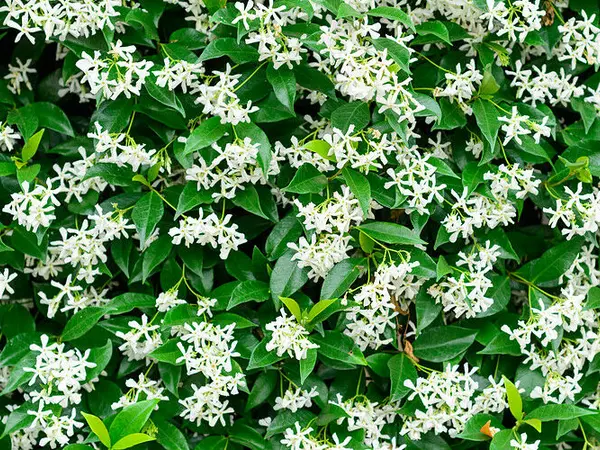
ambrosial
[am-broh-zhuhl]
exceptionally pleasing to taste or smell; especially delicious or fragrant
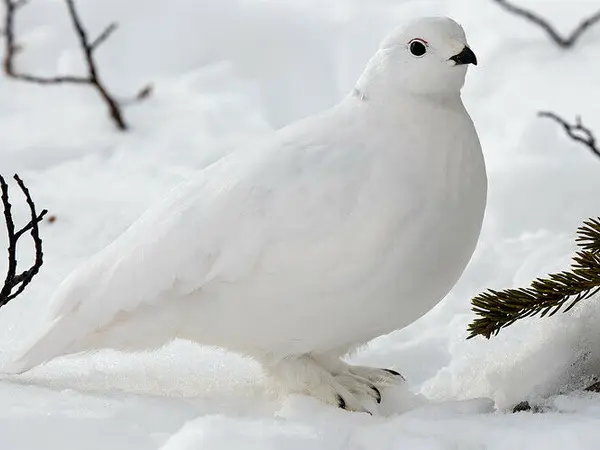
ptarmigan
[tahr-mi-guhn]
any of the several birds from the genus Lagopus

gawk
[gawk]
to stare stupidly; gape

roust
[roust]
cause to get up or start moving; rouse

vaccinate
[vak-suh-nayt]
to administer a vaccine to provide immunity

heartened
[hart-uhnd]
made more cheerful or optimistic

amorous
[am-oro-ous]
showing love, particularly sexual
diphthong
[dif-thawng]
a sound formed by the combination of two vowels in a single syllable, in which the sound begins as one vowel and moves toward another (as in coin, loud, and side)

allege
[uh-lej]
to assert without proof

alembic
[uh-lem-bik]
anything that transforms, purifies, or refines

bumptious
[buhmp-shuhs]
offensively self-assertive

parallel
[par-uh-lel]
extending in the same direction, never meeting

gallant
[gal-uhnt ]
brave, spirited, noble-minded, or chivalrous

funambulist
[fyoo-nam-byuh-list]
a tightrope walker

chutzpah
[hutz-pah]
informal shameless audacity; impudence

empirical
[em-pir-i-kuhl]
derived from or guided by experience or experiment