
idyllic
adjectiveDefinition
What Makes This Word Tick
Ah, "idyllic"-a word that conjures visions of peaceful countryside scenes, free from the hustle and bustle of city life. It captures an almost dream-like perfection, usually involving nature or simplicity. When things are idyllic, everything seems just right, as if painted by the gentle brush of a landscape artist.
If Idyllic Were a Person…
Imagine idyllic as a person, and you'd see a gentle soul, always smiling and perhaps wearing a straw hat, strolling through a field of wildflowers. They're the type of friend who invites you over for tea in their perfectly quaint cottage, always ready to offer a warm blanket and a good book.
How This Word Has Changed Over Time
Originally from the late 16th century, rooted in the Latin "idyllicus," the word has maintained its core meaning over the centuries. While its essence focuses on perfection, modern usage often carries a slight hint of wistfulness, acknowledging that such perfection might be fleeting.
Old Sayings and Proverbs That Use Idyllic
While "idyllic" itself doesn't pop up in traditional sayings, the idea it conveys is echoed in phrases like "a slice of heaven" or "a picture-perfect day," both of which celebrate the same peaceful, perfect quality that idyllic embodies.
Surprising Facts About Idyllic
Did you know that "idyllic" is often used to describe not just landscapes, but also moments, experiences, or even musical pieces? It's a versatile adjective that lends its warm glow to anything that can be cherished or considered blissful.
Out and About With This Word
You'll find "idyllic" slipped into travel brochures, real estate ads, and lifestyle blogs, often used to describe retreats or hideaways that promise respite from chaos and a return to simplicity.
Pop Culture Moments Where Idyllic Was Used
Think of movies like "The Sound of Music" with its rolling hills or "Under the Tuscan Sun," showcasing delightful Mediterranean scenery. These films capture the idyllic essence, making audiences yearn for the peace depicted.
The Word in Literature
The world of poetry and pastoral literature loves "idyllic." It's right at home in the works of writers who explore pastoral themes and rural life, like in the poems of William Wordsworth, who celebrated the beauty of nature.
Moments in History with Idyllic
Though the word itself may not have been commonly used, idyllic perfectly describes the general sentiment of the Romantic era, where poets and artists sought out natural beauty and emotional depth, offering an escape from industrialization.
This Word Around the World
Across the globe, cultures have their own versions of "idyllic" environments. In Japan, the term "Satoyama" describes areas where nature and human life coexist harmoniously, reminiscent of the peaceful coexistence "idyllic" suggests.
Where Does It Come From?
From the Greek word "eidyllion," meaning "little picture," which evokes the miniature portraits of harmony and perfection that an idyllic scene or moment presents. It's a term that speaks to the heart through the eyes.
How People Misuse This Word
Sometimes people use "idyllic" for things that are merely beautiful but not peaceful or perfect, like a bustling cityscape. It's best reserved for those serene, perfect snapshots of life.
Words It's Often Confused With
- Pastoral: Focuses more on the countryside and farming aspects.
- Utopian: Describes an ideal society, often more conceptually focused on harmony and perfection.
- Picturesque: Implies visually charming but not necessarily peaceful.
Additional Synonyms and Antonyms
Synonyms to consider might include "peaceful," "tranquil," or "blissful." Opposite this, you have "chaotic," "turbulent," or "flawed."
Want to Try It Out in a Sentence?
After the busy week, their weekend getaway to the cabin by the lake was absolutely idyllic, offering peace and renewal amidst nature.
Explore more words

tostones
[toh-stoh-nehs]
thick slices of green plantain that are fried, flattened, and then fried again.

prosperous
[pros-per-uhs]
having or characterized by financial success or good fortune; flourishing; successful
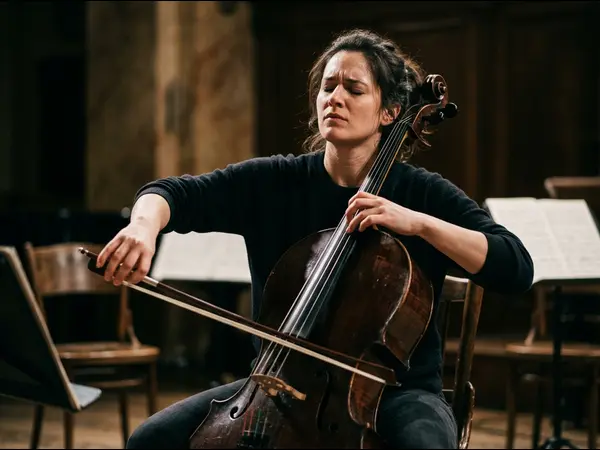
passion
[p-aszhun]
intense emotion, enthusiasm, or desire, often for something or someone.

malapropism
[mal-uh-prop-iz-uhm]
an act or habit of misusing words ridiculously, especially by the confusion of words that are similar in sound
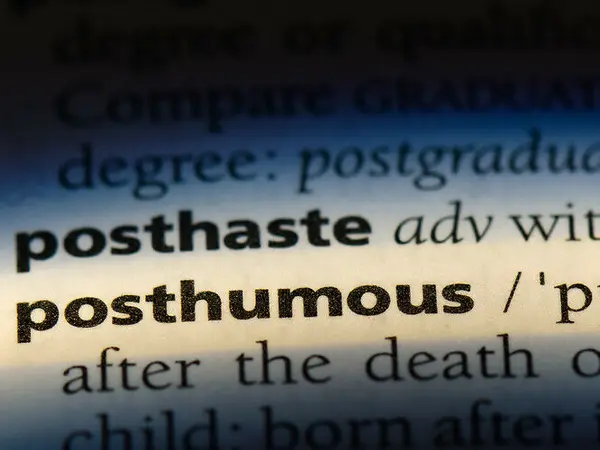
posthumous
[pos-chuh-muhs]
arising, occurring, or continuing after one’s death
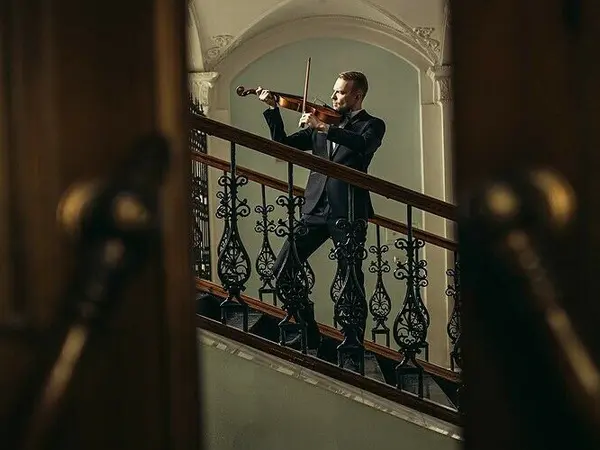
virtuoso
[vur-choo-oh-soh]
a person who has special knowledge or skill in a field

belabor
[bih-ley-ber]
to explain, worry about, or work at (something) repeatedly or more than is necessary

obviate
[ob-vee-eyt]
to anticipate and prevent or eliminate (difficulties, disadvantages, etc.) by effective measures; render unnecessary

impecunious
[im-pi-kyoo-nee-uhs]
having little or no money; penniless; poor
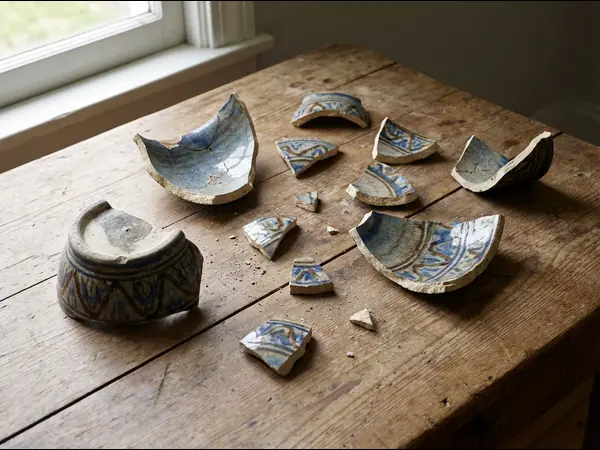
fragmentary
[fr-agm-ent-ary]
consisting of small, incomplete parts or pieces.
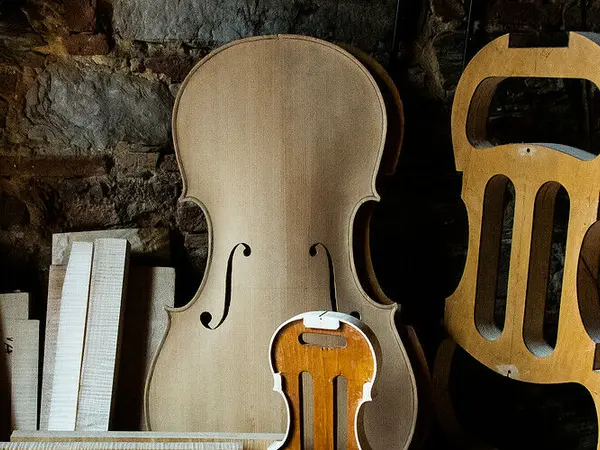
crwth
[krooth]
ancient Celtic instrument that is similar to a violin

incompetent
[ink-omp-et-ent]
lacking the necessary skills, ability, or qualifications to perform a task successfully.
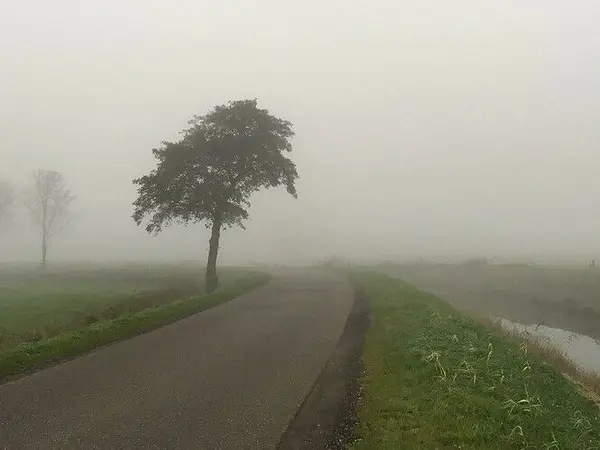
hazy
[hey-zee]
characterized by the presence of haze; misty

defenestrate
[dee-fen-uh-streyt]
to throw (a person or thing) out of a window

largesse
[lar- jes]
generosity of spirit or attitude

tame
[teym]
changed from the wild or savage state; domesticated