
binding
NounDefinition
What Makes This Word Tick
Binding can name the act or state of tying and securing, and it can also mean something that is obligatory—something you’re required to follow. That double life works because both senses involve being “held” in place, either physically or by rules. Compared with “strong,” binding focuses on constraint rather than power.
If Binding Were a Person…
Binding would be the friend who makes the plan official: they confirm details, set expectations, and make sure everyone follows through. They’re dependable, but not always flexible. Once they commit, they hold the knot.
How This Word Has Changed Over Time
The core ideas—securing and obligating—have remained stable, with modern usage often leaning on the “required” sense in formal contexts. In everyday talk, it can also describe anything that feels restricting, even outside legal settings.
Old Sayings and Proverbs
A proverb-style idea that matches binding is that a promise is a knot you tie with your words. It reflects how obligations can hold you to a course of action, just like physical binding holds things together.
Surprising Facts
Binding often sounds more serious than “important” because it implies consequences if ignored. It can describe documents, decisions, and rules, but also the feeling of being restricted. In writing, it signals “this is not optional” in a single word.
Out and About With This Word
You’ll see binding in legal and professional settings where obligations matter, like agreements and policies. It also appears in everyday descriptions of anything that secures or constrains—materials, straps, or rules. The word fits when the key idea is being held or required.
Pop Culture Moments Where Binding Was Used
In pop culture, binding stakes show up when characters are locked into a deal or rule they can’t easily escape. The tension often comes from trying to wriggle free from something obligatory. That “you’re held to this” feeling is the heart of binding.
The Word in Literature
In literary writing, binding can tighten a scene by emphasizing constraint—an agreement, a duty, or a rule that limits choices. It also works in description when an author wants a tactile sense of securing and holding. The word helps connect physical restraint and moral obligation with minimal effort.
Moments in History with Binding
Historically, binding ideas matter wherever obligations shape behavior—agreements, promises, oaths, and rules that people are expected to follow. They also matter in practical life where securing materials enables work, travel, and safety. The word captures both the literal and the “must-do” forms of being held.
This Word Around the World
Across languages, the concept is commonly expressed with terms for “tying/fastening” and separate terms for “obligatory/required,” though some languages use related metaphors of being “bound.” Expression depends on whether the focus is physical securing or a requirement.
Where Does It Come From?
Binding comes from Old English bindan, a root tied to the idea of tying or fastening. From there, it naturally extends into the figurative sense of obligation—being “bound” by rules or promises. The origin supports both the physical and required meanings.
How People Misuse This Word
Binding is sometimes used to mean merely “important,” but the defined sense points to being obligatory, not just significant. It can also be applied too loosely to suggestions or preferences that don’t truly require compliance. If there’s no requirement or constraint, a lighter word may be more accurate.
Words It’s Often Confused With
Mandatory is close to binding in the “required” sense, but it’s more direct and administrative. Restrictive overlaps, but it emphasizes limitation more than obligation. Fastening relates to the physical sense, but doesn’t carry the “must follow” meaning.
Additional Synonyms and Antonyms
Additional Synonyms: enforceable, required, constraining Additional Antonyms: voluntary, optional, nonbinding
Want to Try It Out in a Sentence?
"The binding agreement ensured that both parties fulfilled their obligations."
Explore more words

blend
[bl-end]
to mix different substances or elements to form a unified whole.

deign
[deyn]
to think it appropriate to or in accordance with one's dignity; condescend

opine
[oh-pahyn]
to hold or express an opinion

ramshackle
[ram-shak-uhl]
loosely made or held together; rickety; shaky

ostracism
[os-tra-ism]
exclusion from a group

incendiary
[in-sen-dee-er-ee]
used or adapted for setting property on fire

bypass
[bye-pass]
to avoid or go around something

stalactite
[stuh-lak-tahyt]
a deposit, usually of calcium carbonate, shaped like an icicle, hanging from the roof of a cave or the like, and formed by the dripping of percolating calcareous water

candor
[kan-der]
the state or quality of being frank, open, and sincere in speech or expression

millefleur
[meel-flur]
having a background sprinkled with representations of flowers, as certain tapestries or pieces of glasswork

guru
[goo-roo]
a spiritual teacher, especially one who imparts initiation.

hangry
[hang-gree]
feeling irritable or irrationally angry as a result of being hungry

enunciate
[ih-nuhn-see-eyt]
to utter or pronounce (words, sentences, etc.), especially in an articulate or a particular manner

relentlessly
[ri-lent-lis-lee]
in a determined and persistent way, without pause

funambulist
[fyoo-nam-byuh-list]
a tightrope walker
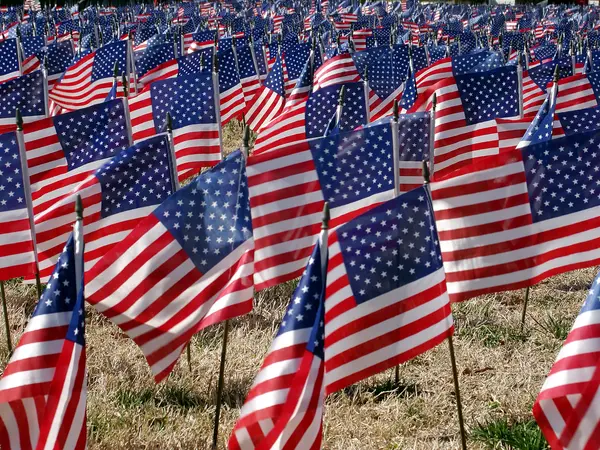
commemorate
[kuh-mem-uh-reyt]
to serve as a memorial or reminder of