
dichotomy
nounDefinition
What Makes This Word Tick
"Dichotomy" is a fascinating word that describes a division or contrast between two things that are presented as entirely different from one another. It's like seeing the world in black and white, an intriguing concept that often invites deeper reflection on what truly makes things opposites.
If Dichotomy Were a Person…
If "dichotomy" were strolling through the local park, they'd be the one always pulling out a pair of glasses that shimmer between rose-tinted and pitch-black lenses. Forever undecided, they'd chat about the art of balancing opposites, like a juggler with flaming torches in one hand and water balloons in the other.
How This Word Has Changed Over Time
Once upon a time, "dichotomy" was a term reserved for scientific and philosophical discussions. Over the years, it has found its way into everyday language, often used to describe any scenario with a sharp divide. The essence remains unchanged, although its application has broadened significantly.
Old Sayings and Proverbs That Use Dichotomy
While traditional proverbs might not include "dichotomy" verbatim, many age-old sayings capture the essence. Phrases like "two sides of the same coin" and "caught between a rock and a hard place" often dance around the concept of dichotomy without explicitly naming it.
Surprising Facts About Dichotomy
One surprising fact is that "dichotomy" has its roots in the study of biology and botany, where it describes a division into two parts. In another twist, philosophers have used it to discuss the nature of good and evil, reality and illusion, and other dualistic themes.
Out and About With This Word
"Dichotomy" often makes an appearance in discussions about societal issues, politics, and ethics, where it's used to highlight differences or disputes. It loves to hang out in lively debates, where it can help illuminate contrasting viewpoints.
Pop Culture Moments Where Dichotomy Was Used
From Shakespearean dramas to blockbuster movies like "Star Wars," the concept of dichotomy has been prevalent. Think of the age-old battle between the Jedi and the Sith-an iconic cultural representation of dichotomous forces at play.
The Word in Literature
"Dichotomy" finds a comfortable home in literary works exploring themes of duality, conflict, and contrast. It's the perfect companion in novels that delve into characters with contrasting personalities or internal conflicts.
Moments in History with Dichotomy
The Cold War era was a quintessential moment in history fraught with dichotomy, as the capitalist West and communist East stood in stark opposition. This dichotomy permeated everything, from economics to space exploration.
This Word Around the World
Globally, dichotomy is a concept that exists in many languages. In French, it's "dichotomie," while in Italian, it's "dicotomia." The notion transcends language, resonating similarly around the world where contrasting ideas clash.
Where Does It Come From?
Tracing back to Late Latin "dichotomia" and Greek "dichotomia," the word combines "dicha," meaning "in two," with "tome," meaning "a cutting." It's the perfect etymological marriage of division and separation.
How People Misuse This Word
People often misuse "dichotomy" by applying it to situations that don't strictly involve two opposing parts. It's mistakenly used for any contrast, even if more than two elements are involved-a common slip-up in casual conversations.
Words It's Often Confused With
- Duality: While both words discuss pairs, duality often implies two complementary parts rather than opposed.
- Bipartite: This term shares the notion of division into two but typically in a biological or technical context.
- Paradox: While dichotomy is about opposition, paradox deals with self-contradictory statements or concepts.
Additional Synonyms and Antonyms
For synonyms, think of "split," "division," or "contrast." Opposites might include "unity," "cohesion," or "synthesis"-words that suggest bringing together rather than tearing apart.
Want to Try It Out in a Sentence?
"Discussing climate change often involves navigating the dichotomy between economic growth and environmental sustainability."
Explore more words

perky
[pur-kee]
jaunty; cheerful; brisk; pert
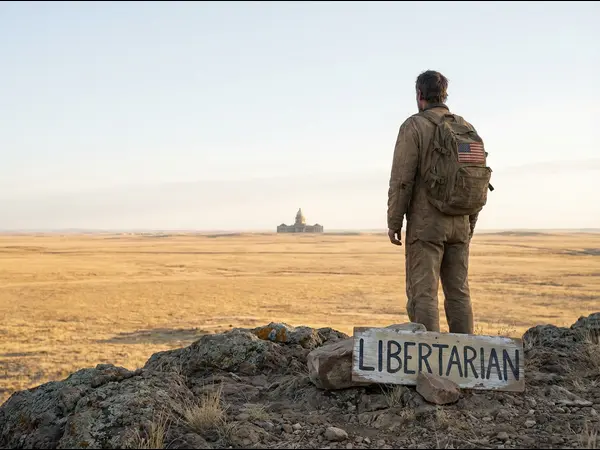
libertarian
[li-ber-ian]
advocating principles of liberty and free will
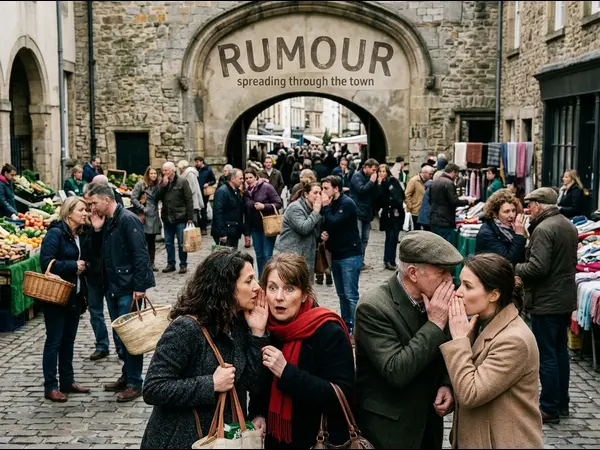
rumour
[roo-mur]
a circulating story or report of uncertain truth

amalgamate
[uh-mal-guh-meyt ]
to mix or merge, as to make a combination; blend; unite; combine

brash
[brash]
confident in an aggressive or rude way
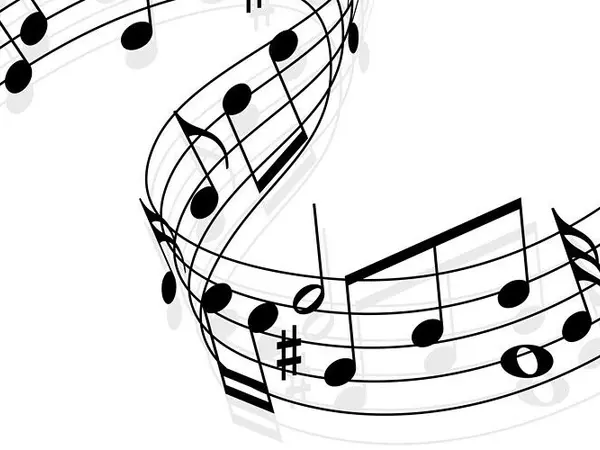
abgesang
[ab-guh-zong]
the concluding section in musical and poetic bar form

assiduous
[uh-sij-oo-uhs]
constant in application or effort; working diligently at a task; persevering; industrious; meticulous

harass
[huh-ras]
to persistently trouble or annoy someone

crumbling
[krum-bling]
breaking apart into small fragments

yearning
[yur-ning]
deep longing, especially when accompanied by tenderness or sadness

sartorial
[sahr-tawr-ee-uhl]
of or relating to clothing or style or manner of dress

abrasive
[uh-brey-siv]
tending to abrade; causing abrasion; abrading

cover
[kuhv-er]
to place something over or upon to conceal, protect, or enclose

tergiversate
[tur-ji-ver-seyt]
to repeatedly change one's attitude or opinions with respect to a cause, subject, etc.

permeate
[pur-mee-eyt]
to pass into or through every part of

still
[stil]
not moving or making a sound; calm and quiet