
marital
adjectiveDefinition
What Makes This Word Tick
The word "marital" relates to anything concerning marriage. It feels like a cozy old sweater, wrapping around discussions about wedded bliss or challenges. Quite often, it shows up in legal or relationship advice scenarios, making it a staple in both romantic and official conversations.
If Marital Were a Person…
If "marital" were a person, it might be a thoughtful marriage counselor, always ready to listen and give sage advice. They'd have a knack for understanding both the joys and trials of married life, with a calming aura that helps couples navigate their journey together.
How This Word Has Changed Over Time
"Marital" has remained relatively stable in its meaning over the years. Originally from the Latin "maritalis," it has always focused on the state of being married. Though the word hasn't changed much, the societal perception of marriage and what it entails has evolved considerably.
Old Sayings and Proverbs That Use Marital
While there aren't specific old proverbs with "marital," there are plenty about marriage, like "Happy wife, happy life." These sayings highlight the importance of harmony and mutual understanding in a marital relationship.
Surprising Facts About Marital
One interesting aspect of "marital" is its widespread use in legal terminology. Terms like "marital property" or "marital status" are common in legal contexts, where it's crucial to differentiate between what's shared in a marriage versus what's personal.
Out and About With This Word
You might hear "marital" most often in conversations about marital counseling or when filling out forms that require your marital status. It's a word that threads its way through personal, social, and professional arenas alike.
Pop Culture Moments Where Marital Was Used
In pop culture, "marital" often appears in TV shows that deal with the complexities of relationships. Think of series like "Mad About You" or "The Good Wife," where marital issues are at the core of the plot, though the word itself might not be directly stated.
The Word in Literature
In literature, "marital" tends to crop up in discussions around marriage plots, found in works ranging from Jane Austen's novels to modern romance thrillers. It underscores themes of love, duty, and societal expectation.
Moments in History with Marital
Major events like the introduction of no-fault divorce laws worldwide engaged "marital" in new legal contexts. These changes shifted how people viewed marital commitment and its dissolution, reflecting broader societal transformations.
This Word Around the World
Around the globe, translations of "marital" adapt to local languages and cultures. In Spanish, it's "conyugal," while in French, it's "matrimonial." Each brings a slightly nuanced cultural flavor to the universal concept of marriage.
Where Does It Come From?
This word traces back to the Latin "maritalis," directly related to "maritus," meaning husband. Over centuries, it seamlessly found its place in the English vocabulary, consistently linked to the institution of marriage.
How People Misuse This Word
A common misuse is confusing "marital" with "martial," which pertains to war or military life. Though they look and sound similar, their meanings couldn't be further apart.
Words It's Often Confused With
- Martial: Pertaining to war; often confused due to its similar sound but entirely different meaning.
- Maternity: Related to motherhood; occasionally mixed up due to phonetic resemblance.
Additional Synonyms and Antonyms
Synonyms include spousal, matrimonial, and conjugal. Antonyms might be single, solitary, or unwed, emphasizing the lack of a marital bond.
Want to Try It Out in a Sentence?
"After thirty years of partnership, Margaret and John shared a deep understanding of the ups and downs of marital life."
Explore more words

cravat
[kruh-vat]
a short, wide strip of fabric worn by men around the neck and tucked inside an open-necked shirt

yelp
[yelp]
to give a quick, sharp, shill cry, as a dog or fox

forage
[fawr-ij]
to search about; seek; rummage; hunt

consolidate
[kuhn-sol-i-deyt]
to bring together (separate parts) into a single or unified whole; unite; combine

millefleur
[meel-flur]
having a background sprinkled with representations of flowers, as certain tapestries or pieces of glasswork

bedevil
[bih-dev-uhl]
to cause great trouble or torment
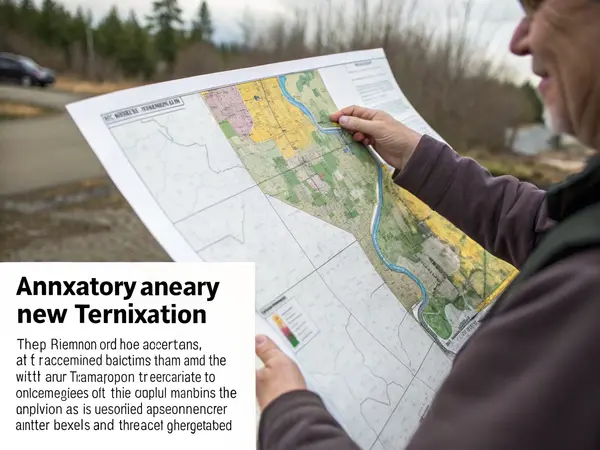
annexing
[an-ek-sing]
to add or attach something, especially territory

obtuse
[uhb-toos]
not quick or alert in perception, feeling, or intellect; not sensitive or observant; dull

portend
[pawr-tend]
to indicate in advance; to foreshadow or presage, as an omen does

exponent
[ek-spoh-nuhnt]
a person who believes in and promotes the truth or benefits of an idea or theory.

submerged
[suhb-murjd]
plunged into water or other fluid.
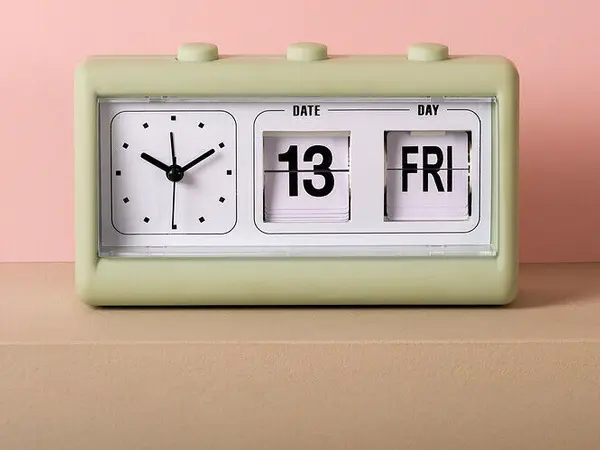
triskaidekaphobia
[tris-kahy-dek-uh-foh-bee-uh]
a fear of the number 13
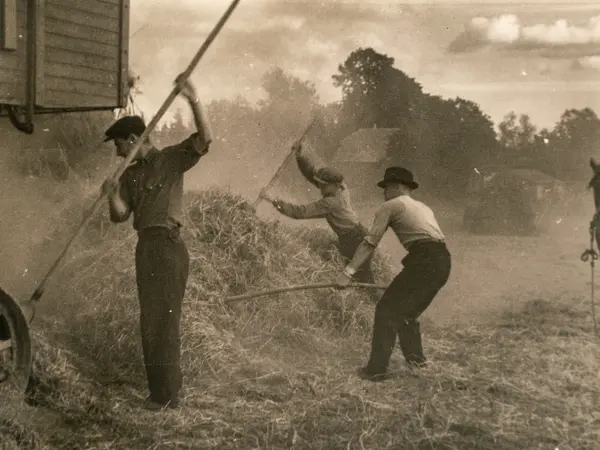
arduous
[ahr-joo-uhs]
requiring great exertion; laborious; difficult

upbraid
[uhp-breyd]
to find fault with or reproach severely; censure

accord
[uh-kord]
an agreement

tisane
[ti-zan]
aromatic or herb-flavored tea