
afford
verbDefinition
What Makes This Word Tick
To afford something is to have enough money to pay for it, plain and practical. It’s a decision word that often shows up when budgets meet real life—what you can get versus what you have to pass on. In everyday use, it’s usually followed by the thing you want, making the limit feel immediate and concrete.
If Afford Were a Person…
If Afford were a person, they’d be the honest friend who checks the price tag and quietly does the math. They’re not trying to spoil the fun; they’re trying to keep reality in the room. When they speak up, plans get clearer—sometimes smaller, sometimes smarter.
How This Word Has Changed Over Time
Afford has stayed anchored to the idea of being able to pay, even as what people buy and how they pay has changed. It remains a common, everyday verb because it names a basic constraint most people recognize instantly.
Old Sayings and Proverbs
A proverb-style idea that matches afford is that wanting something doesn’t make it available—means matter. This reflects the definition directly: affordability is about ability to pay, not desire.
Surprising Facts
Afford often carries an implied trade-off, even when it isn’t stated: if you can’t afford one thing, you may choose another. It’s also frequently used with “can’t,” making it a quick, polite way to set a boundary without overexplaining. The word is simple, but it communicates a full decision in one step.
Out and About With This Word
You’ll hear afford in shopping conversations, budgeting talk, and everyday planning—housing, travel, hobbies, or anything with a price. It’s also common in practical writing like advice, guides, and personal finance discussions where decisions depend on costs. The word fits wherever money turns into choices.
Pop Culture Moments Where Afford Was Used
In pop culture, the concept of “can’t afford it” is a classic driver of conflict and motivation—characters hustling, sacrificing, or rethinking priorities because resources are limited. It’s a relatable plot pressure because it mirrors real constraints that shape everyday decisions.
The Word in Literature
In literary writing, afford can quickly ground a story in realism by showing what a character can or can’t pay for. It’s a clean tool for revealing class, stress, or restraint without long explanation. The word often functions as a hinge between desire and limitation, tightening narrative stakes.
Moments in History with Afford
Throughout history, this concept appears whenever prices, wages, and access shape daily life—what people can buy, build, or maintain. The meaning connects directly to the practical side of survival and comfort: affordability sets real boundaries on choices.
This Word Around the World
Across languages, this idea is usually expressed through verbs meaning “be able to pay” or “have the means,” sometimes paired with words for “budget” or “resources.” The phrasing varies, but the core idea stays the same: money determines what’s possible.
Where Does It Come From?
The inventory traces afford back through Old English into later English forms, showing it as a long-established verb rather than a modern invention. Even without a full step-by-step chain here, the long history fits the word’s everyday feel.
How People Misuse This Word
People sometimes use afford loosely to mean “make time for,” but this definition is specifically about money and payment. Another misuse is treating it like a synonym of “buy,” when afford is about ability, not the action of purchasing.
Words It’s Often Confused With
Afford is often confused with buy, which is the act of purchasing, while afford is the ability to pay. It can also be mixed up with finance, which suggests arranging payment or funding rather than simply having enough money. Save relates to preparing for affordability, but it’s not the same moment of ability.
Additional Synonyms and Antonyms
Additional Synonyms: pay for, have the means, be able to pay Additional Antonyms: be unable to pay, lack the means, be priced out
Want to Try It Out in a Sentence?
"I can't afford a new car right now."
Explore more words

entwine
[en-twyn]
to twist or coil something around another

confabulate
[kuhn-fab-yuh-leyt]
to converse informally; chat

flimflam
[flim-flam]
a piece of nonsense; twaddle; bosh

deplete
[dih-pleet]
to decrease seriously or exhaust the abundance or supply of

comely
[kuhm-lee]
pleasing in appearance; attractive; fair

charlatan
[shahr-luh-tn]
a person who pretends or claims to have more knowledge or skill than he or she possesses; quack

pellucid
[puh-loo-sid]
allowing the maximum passage of light, as glass; translucent; clear

conterminous
[kuhn-tur-muh-nuhs]
having a common boundary

floating
[fl-oat-ing]
resting or moving on the surface of a liquid without sinking.

picayune
[pik-ee-yoon]
of little value or account; small; trifling

exert
[ex-ert-ert]
to put something into use

dubious
[doo-bee-uhs]
doubtful; marked by or occasioning doubt

salient
[sey-lee-uhnt]
prominent or conspicuous

zealous
[zel-uhs]
full of, characterized by, or due to zeal; ardently active, devoted, or diligent
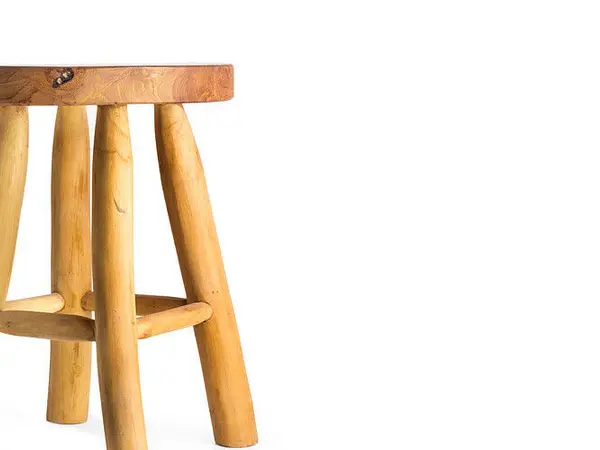
taboret
[tab-er-it]
a stool-like seat for one person

bauble
[baw-buhl]
a showy, usually cheap, ornament; trinket; gewgaw