
curb
verbDefinition
What Makes This Word Tick
Curb is about restraint—putting a limit on something so it doesn’t run away with you, and the definition also includes the street-edge meaning. In the “restrain” sense, it’s practical and direct: you curb an impulse, a habit, or a trend by reducing its force. Compared with control, curb often feels more like “keep it in check” than “take total command.”
If Curb Were a Person…
Curb would be the friend who gently grabs your sleeve before you do something impulsive. They don’t shut you down; they help you keep it within bounds. Their whole energy is sensible limits.
How This Word Has Changed Over Time
Curb continues to work well for both meanings in the definition: limiting or restraining something, and the raised edge of a street. The main change is usually just which sense a context highlights.
Old Sayings and Proverbs
A proverb-style idea that matches this word is that a small restraint can prevent a big regret. This reflects curb because it’s about checking something early, before it grows harder to control.
Surprising Facts
Curb is a handy verb when you want restraint without sounding dramatic—it can be firm but not harsh. It often implies moderation rather than elimination, like reducing something rather than erasing it. The street-edge meaning also makes it a neat word for metaphors about boundaries and limits.
Out and About With This Word
You’ll see curb in everyday advice, parenting talk, and policy discussions where limiting a behavior matters. You’ll also see it literally on streets and sidewalks as the raised edge along the road. Both senses share a boundary vibe: something that marks or enforces a limit.
Pop Culture Moments Where Curb Was Used
In pop culture, the idea of curbing shows up in stories about self-control—characters trying to restrain habits, temper, or impulses before they cause fallout. The street-curb sense can also appear visually as a boundary that characters cross, step off, or stop at.
The Word in Literature
In literary writing, curb is often used for clean, immediate restraint: a character curbs anger, words, or an urge, and the reader feels the tension of holding back. The street-edge meaning can also support imagery of borders and thresholds. Either way, the word helps writers show limits—internal or external—without a lot of explanation.
Moments in History with Curb
The idea behind curb appears whenever societies try to restrain harmful behavior or reduce excess, and whenever cities shape streets with clear edges and boundaries. It’s a practical concept: limits that make shared spaces and shared life more manageable.
This Word Around the World
Most languages have a direct verb for restraining or checking something, and separate terms for the street-edge meaning. Translation depends on which sense you mean, but both revolve around boundaries.
Where Does It Come From?
The inventory traces curb to Latin, but the key modern takeaway is how the word serves as a boundary term—either limiting behavior or naming a physical edge in the street.
How People Misuse This Word
Curb is sometimes used to mean “stop completely,” but it often implies reducing or restraining rather than eliminating. Another misuse is mixing the street meaning into a sentence where only the restraint sense fits, which can make the point feel confusing.
Words It’s Often Confused With
Control can suggest full command, while curb suggests limiting or checking. Suppress is harsher and implies pushing something down forcefully, whereas curb can be more moderate. Limit is close but more neutral; curb often feels like an active check on behavior.
Additional Synonyms and Antonyms
Additional Synonyms: rein in, moderate, restrain oneself, bridle Additional Antonyms: unleash, free, let loose, spur
Want to Try It Out in a Sentence?
"The mother tried to curb her child’s excessive screen time."
Explore more words

fatigued
[fuh-teegd]
extremely tired or exhausted

harlequin
[hahr-luh-kwin]
fancifully varied in color, decoration, etc.
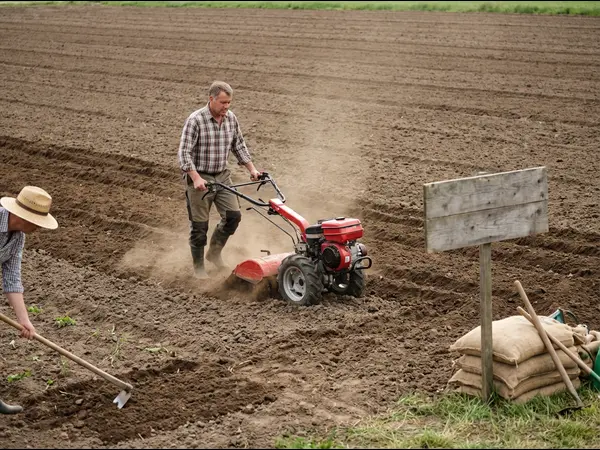
cultivation
[k-ult-iv-ashun]
the act of preparing land for growing crops; also refers to refining or improving skills or manners.

accredit
[uh-kred-it]
to officially recognize or approve

virtuoso
[vur-choo-oh-soh]
a person who has special knowledge or skill in a field

elicit
[ih-lis-it]
to draw or bring out or forth; educe; evoke

mystifying
[mis-tuh-fahy-ing]
to perplex (a person) by playing upon the person's credulity; bewilder purposely

schadenfreude
[shahd-n-froi-duh]
satisfaction or pleasure felt at someone else's misfortune

frightening
[fryt-ning]
causing fear or alarm

cinematic
[sin-uh-mat-ik]
having to do with movies, as either an industry or an art form

licit
[lis-it]
legal; lawful; legitimate; permissible

pontificate
[pon-tif-i-keyt]
express one's opinions in a way considered annoyingly pompous and dogmatic

dilatory
[dil-uh-tawr-ee]
tending to delay or procrastinate; slow; tardy

aberration
[ab-uh-rey-shuhn]
a departure from what is normal, usual, or expected, typically one that is unwelcome

jejune
[ji-joon]
naive, simplistic, and superficial
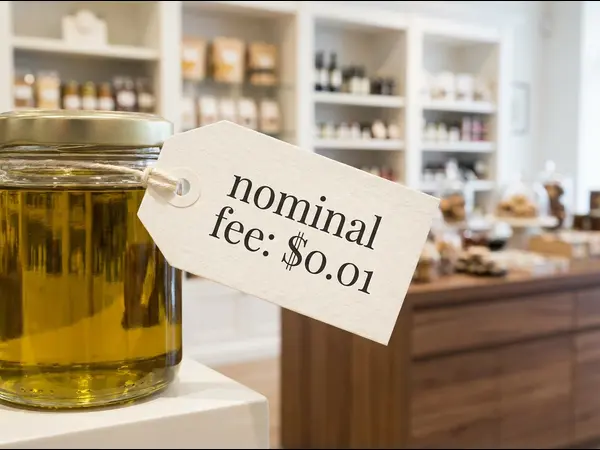
nominal
[no-min-nal]
trifling, insignificant