
blemish
nounDefinition
What Makes This Word Tick
A blemish is a small imperfection that stands out against what you expected to be smooth, clean, or flawless. It can be physical (like a mark) or more abstract (like a flaw in a plan), as long as it’s something that detracts. Compared with a major “defect,” a blemish often feels minor—but still noticeable.
If Blemish Were a Person…
Blemish would be the person who shows up as a tiny smudge on an otherwise perfect day. They’re not a disaster—just a reminder that things aren’t pristine. Oddly, they can also make the whole scene feel more real, like a lived-in detail.
How This Word Has Changed Over Time
The meaning has remained mostly consistent: a mark or flaw that mars something. Modern use has expanded comfortably into figurative territory, where reputations, records, and plans can have blemishes too. Even when abstract, the word keeps its “small but visible” feel.
Old Sayings and Proverbs
A proverb-style idea that matches blemish is that even the best work can have a small mark and still be worth admiring. The point is that tiny flaws don’t always erase overall quality.
Surprising Facts
Blemish is often chosen when you want to name a flaw without making it sound fatal or irreversible. It also tends to carry a visual sense, even when used figuratively, as if the flaw can be “seen” on a record. In careful writing, it can soften criticism while still being honest.
Out and About With This Word
You’ll hear blemish in everyday talk about skin, paint, photos, and surfaces where marks stand out. It also shows up in formal contexts like evaluations, reviews, or descriptions of performance. The word fits best when the flaw is real but relatively limited.
Pop Culture Moments Where Blemish Was Used
In pop culture, the idea of a blemish often appears when a “perfect” image cracks—an ideal hero with a flaw, or a spotless plan with one weak point. That small mark becomes a plot lever, because it’s enough to raise doubt without destroying everything. The concept resonates because it feels human and believable.
The Word in Literature
Writers use blemish to add subtle tension: a tiny flaw that hints at deeper imperfections or simply breaks the shine of perfection. It’s effective in description because it’s concrete and visual, even when the subject is abstract. A single “blemish” can change the mood from flawless to fragile.
Moments in History with Blemish
Throughout history, the concept of a blemish fits moments when reputations, records, or public images mattered, and a small flaw could alter perception. It also applies to craftsmanship and art, where imperfections have been judged, corrected, or sometimes embraced. The idea highlights how a minor mark can carry outsized attention.
This Word Around the World
Across languages, this concept is often expressed with words meaning “mark,” “spot,” or “flaw,” depending on whether the context is physical or figurative. Some languages may choose different terms for a skin mark versus a reputational flaw. The shared idea is a noticeable imperfection that mars an otherwise intact whole.
Where Does It Come From?
Blemish traces back through French roots tied to making something look pale or altered, which fits the idea of a visible mark. Over time, it settled into English as a general term for an imperfection. The origin helps explain the word’s strong visual undertone.
How People Misuse This Word
Blemish is sometimes used for any huge failure, but it usually suggests something smaller and more localized. If the problem overwhelms the whole thing, words like “defect” or “disaster” may be clearer. Use blemish when the flaw is real, but not total.
Words It’s Often Confused With
Flaw is broader and can be big or small, while blemish often feels like a small mark. Defect can sound more technical and more serious, especially for manufactured items. Stain implies discoloration or moral taint, whereas blemish can be more neutral.
Additional Synonyms and Antonyms
Additional Synonyms: mark, spot, smudge\nAdditional Antonyms: perfection, flawlessness, purity
Want to Try It Out in a Sentence?
"The artist didn't mind the small blemish on the painting; it added character."
Explore more words
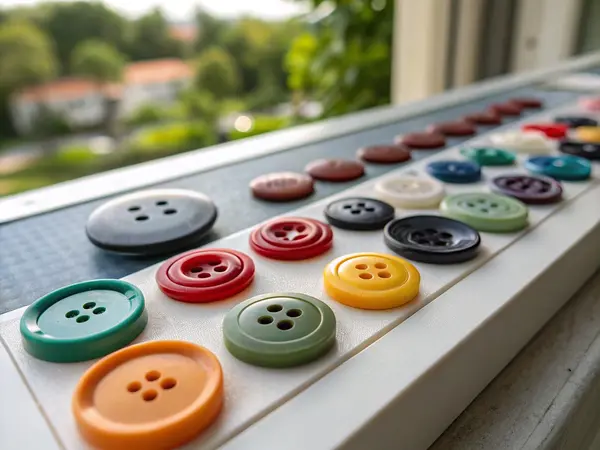
assorted
[ass-ort-ed]
made up of different kinds, often arranged together; varied or diverse.

navigate
[nav-i-geyt]
to move on, over, or through (water, air, or land) in a ship, aircraft, etc.

increase
[inkr-eas-e]
to grow in size, number, or intensity; to make something greater.

clairvoyant
[klair-voi-uhnt]
of, by, or pertaining to clairvoyance

irradiate
[ih-rey-dee-eyt]
to shed rays of light upon; illuminate

methodical
[m-eth-od-ik-al]
done in an orderly, systematic, or logical way.
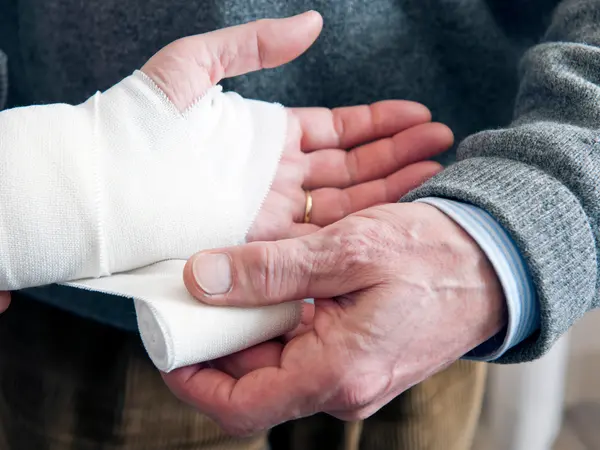
swathe
[swoth]
to wrap, bind, or swaddle with bands of some material; wrap up closely or fully

despicable
[des-pi-kuh-buhl]
deserving to be despised, or regarded with distaste, disgust, or disdain; contemptible

verdant
[vur-dnt]
of the color green

kith
[kith]
acquaintances, friends, neighbors, or the like; persons living in the same general locality and forming a more or less cohesive group

satirical
[suh-tir-i-kuhl]
of, pertaining to, containing, or characterized by satire
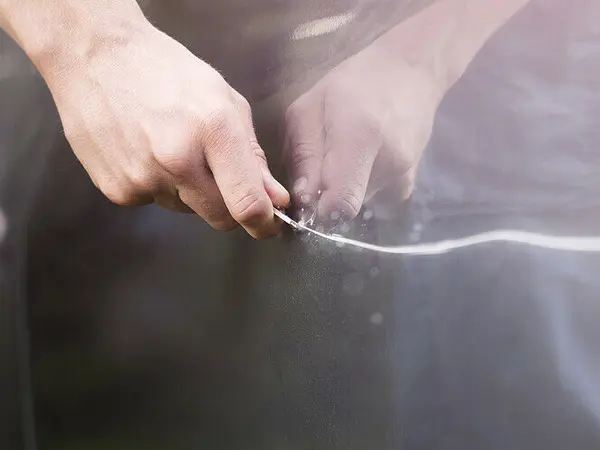
marred
[mahr-d]
damaged or spoiled to a certain extent; rendered less perfect, attractive, useful, etc.; impair or spoil

beamish
[bee-mish]
beaming with happiness, optimism, or anticipation
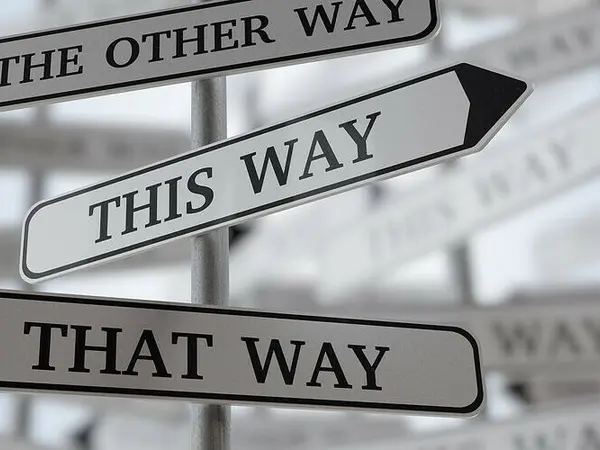
obfuscate
[ob-fuh-skeyt, ob-fuhs-keyt]
to confuse, bewilder, or stupefy; to make obscure or unclear
ambrosial
[am-broh-zhuhl]
exceptionally pleasing to taste or smell; especially delicious or fragrant

flatten
[fl-att-en]
to make something level, smooth, or less prominent.