
atrocious
nounDefinition
What Makes This Word Tick
Atrocious means horrifyingly bad or unpleasant, used when “bad” feels far too small. It signals strong disgust or shock at the quality or experience. The word carries a heavy punch, so it’s usually reserved for situations that feel truly awful.
If Atrocious Were a Person…
Atrocious would be the party guest who ruins the mood the second they arrive—loudly, unmistakably, and without apology. They’re the embodiment of “how did this go so wrong?” You don’t debate whether they’re a problem; you just want them gone.
How This Word Has Changed Over Time
Atrocious has stayed anchored to extreme badness and unpleasantness, and modern usage still relies on it for strong emphasis. Over time, it has become common in everyday speech as an intensifier for quality, even though it remains a heavy word. The meaning remains stable: shockingly awful.
Old Sayings and Proverbs
A proverb-style idea that fits atrocious is that some mistakes aren’t small—they’re the kind you feel instantly. That matches the definition: an experience so bad it’s hard to ignore.
Surprising Facts
Atrocious is a high-intensity word, so it often signals emotion as much as description. It’s commonly used for service, behavior, conditions, or outcomes when the speaker wants to leave no doubt about how bad it was. Because it’s so strong, using it lightly can make it sound exaggerated.
Out and About With This Word
You’ll often hear atrocious in complaints, reviews, and stories where someone describes an experience that felt unbearable or shockingly poor. It fits customer service, bad decisions, terrible timing, and anything that leaves people saying “never again.” The word works best when the unpleasantness is extreme.
Pop Culture Moments Where Atrocious Was Used
In pop culture, this idea shows up when something is so bad it becomes the scene’s centerpiece—epic failures, disastrous plans, or humiliating experiences that everyone reacts to. It’s also common in comedy when characters use exaggerated language to vent about a terrible situation. The concept matches the word because the point is intensity: not just bad, but horrifyingly bad.
The Word in Literature
In literary writing, atrocious is used to spike tone quickly, signaling that a situation is deeply unpleasant or unacceptable. It can create a feeling of disgust, outrage, or shock with one strong adjective. Writers often choose it when they want a reader to feel the harshness immediately, without gradual buildup.
Moments in History with Atrocious
Throughout history, this concept appears in descriptions of conditions and experiences judged as unbearably bad—failures, harsh treatment, and situations that provoke strong condemnation. The word fits because it captures extreme unpleasantness in a single label. It’s a reminder that language often escalates when ordinary terms can’t hold the severity.
This Word Around the World
Many languages have an equivalent for “horrible” or “terrible,” and some have an even stronger term used for truly extreme badness. Expression varies depending on whether the speaker is criticizing quality or condemning an experience. The shared meaning remains: something is horrifyingly bad.
Where Does It Come From?
Atrocious traces back to Latin roots associated with fierceness or cruelty and a sense of darkness, which helps explain its harsh emotional weight. That origin aligns with the modern punch of the word: it’s built for strong negative judgment. Even today, it carries a shadowy “beyond acceptable” feel.
How People Misuse This Word
A common misuse is using atrocious for mildly bad situations, which can make the speaker sound exaggerated. Another slip is using it when the complaint is about preference rather than real unpleasantness; atrocious implies a stronger level of badness than “I didn’t like it.”
Words It’s Often Confused With
Atrocious overlaps with “terrible,” but atrocious is often more intense. It can be confused with “unfortunate,” which is much softer and sometimes sympathetic. And it differs from “inconvenient,” which can be annoying without being horrifyingly bad.
Additional Synonyms and Antonyms
Additional Synonyms: dreadful, appalling, ghastly, wretched Additional Antonyms: superb, delightful, admirable, fine
Want to Try It Out in a Sentence?
"The service at the restaurant was atrocious, leaving everyone dissatisfied."
Explore more words

relic
[rel-ik]
an object surviving from an earlier time, especially of historical interest

largesse
[lar- jes]
generosity of spirit or attitude

comely
[kuhm-lee]
pleasing in appearance; attractive; fair

rapprochement
[rap-rohsh-mahn]
an establishment or resumption of harmonious relations

elusive
[ih-loo-siv]
eluding or failing to allow for or accommodate a clear perception or complete mental grasp; hard to express or define

unprecedented
[un-pre-ted]
entirely new
hogwash
[hawg-wosh]
refuse given to hogs; swill

diaphanous
[dahy-af-uh-nuhs]
very sheer and light; almost completely transparent or translucent

malapropism
[mal-uh-prop-iz-uhm]
an act or habit of misusing words ridiculously, especially by the confusion of words that are similar in sound

boastful
[b-oastf-ul]
showing excessive pride or self-satisfaction in one’s achievements or possessions.
vitiate
[vish-ee-eyt]
to impair or weaken effectiveness and quality of
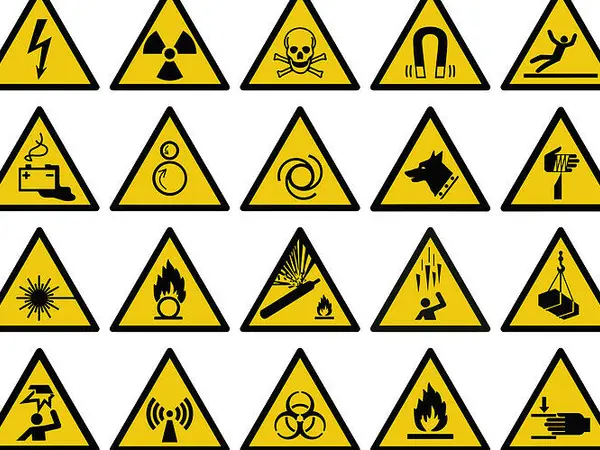
deleterious
[del-i-teer-ee-uhs]
injurious to health

crestfallen
[krest-faw-luhn]
dejected; dispirited; discouraged

curb
[k-urb]
to restrain or control something; also refers to the raised edge of a street.

bedraggled
[bih-drag-uhld]
dirty and disheveled

disparate
[dis-per-it]
distinct in kind; essentially different; dissimilar