
relic
AdjectiveDefinition
What Makes This Word Tick
A relic is an object surviving from an earlier time, especially one with historical interest. The word highlights survival: something has lasted long enough to carry the feel of the past into the present. Compared with antique, relic often suggests not just age but a sense of connection to history or memory.
If Relic Were a Person…
Relic would be the quiet elder in the room who doesn’t speak much, but everyone leans in when they do. They carry scratches and stories, and their presence makes time feel layered. Being near them feels like touching the past with your fingertips.
How This Word Has Changed Over Time
Relic has remained focused on the idea of something left behind from an earlier time, especially an object that survives as a reminder. Modern usage still leans on that sense of endurance and historical connection, whether the object is treasured, studied, or simply preserved.
Old Sayings and Proverbs
A proverb-style idea that matches relic is that what endures can teach, simply by lasting. This reflects the meaning because a relic is a surviving object from the past, and its survival is what gives it interest and weight.
Surprising Facts
Relic often carries a sense of preserved significance: the object isn’t only old, it feels like a leftover piece of a larger story. It can suggest value, but the word itself doesn’t promise price—only survival and historical interest. In writing, it can quickly create atmosphere by bringing “the past” into a present scene through a single object.
Out and About With This Word
You’ll often see relic used in museums, historical discussion, and storytelling where objects connect characters to earlier times. It also appears in everyday speech when someone finds an old item that feels like a tangible piece of history. The word fits best when age plus historical interest is the point.
Pop Culture Moments Where Relic Was Used
In pop culture, relics show up as story objects that carry history—something discovered, protected, stolen, or misunderstood. They often serve as physical proof of an earlier era and can trigger quests, conflicts, or revelations. That matches the definition because the object’s importance comes from surviving from an earlier time.
The Word in Literature
In literary writing, relic is used to make time feel present, turning history into something you can hold, see, or preserve. Writers often use it to suggest memory, loss, inheritance, or the persistence of the past in the present. For readers, a relic can act like a shortcut to backstory: one object hints at an entire vanished world.
Moments in History with Relic
Throughout history, relic-like objects matter whenever societies preserve traces of earlier times—tools, art, documents, and personal belongings that outlast their original owners. These survivors help people understand what came before by providing tangible evidence. That connects to the definition because the key feature is an object that endures from an earlier time and remains of interest.
This Word Around the World
Across languages, this idea is usually expressed through words meaning “remains,” “artifact,” or “a surviving object from the past,” sometimes with special terms for objects preserved for historical interest. Expression varies, but the shared concept is survival across time. In many places, the word choice distinguishes between something merely old and something valued as a piece of history.
Where Does It Come From?
Relic comes from roots meaning “remains” and “to leave behind,” which neatly matches its meaning. The origin emphasizes that a relic is what’s left when time moves on—an object that stays while the world around it changes.
How People Misuse This Word
Relic is sometimes used for anything old, but the definition points to something surviving from an earlier time with historical interest. If the item is merely outdated rather than historically meaningful, old or obsolete may fit better. Use relic when the object feels like a preserved piece of the past.
Words It’s Often Confused With
Relic is often confused with antique, but antique emphasizes age and collectability, while relic emphasizes survival and historical connection. It can also overlap with artifact, though artifact often sounds more formal and research-focused, while relic can feel more personal or evocative.
Additional Synonyms and Antonyms
Additional Synonyms: heirloom, memento, souvenir Additional Antonyms: newness, up-to-date, cutting-edge
Want to Try It Out in a Sentence?
"The ancient relic was carefully preserved in a glass display case."
Explore more words

rejuvenate
[rejuvenate]
to make young again; restore to youthful vigor, appearance, etc.

verdant
[vur-dnt]
green with vegetation; covered with growing plants or grass

clairvoyant
[klair-voi-uhnt]
having or claiming to have the power of seeing objects or actions beyond the range of natural vision

tisane
[ti-zan]
aromatic or herb-flavored tea

inspirit
[in-spir-it]
to infuse spirit or life into; enliven
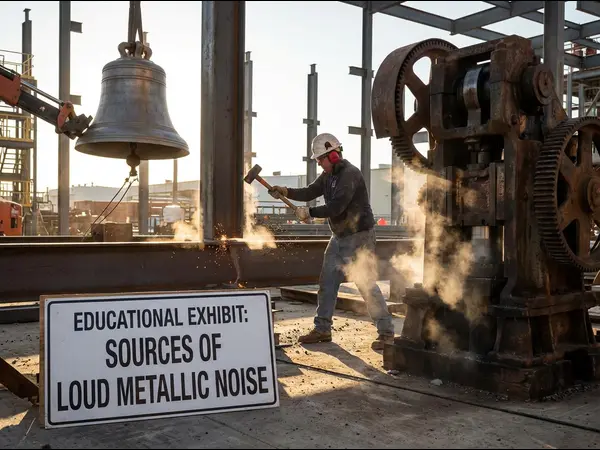
clangor
[klang-er]
a loud, resonant sound

fabricate
[fab-ri-keyt]
to devise or invent (a legend, lie, etc.)

infatuation
[in-fach-oo-ey-shuhn]
foolish or all-absorbing passion or an instance of this

hazy
[hey-zee]
characterized by the presence of haze; misty

interlay
[in-ter-ley]
to lay between; interpose

trisect
[trahy-sekt]
to divide into three parts, especially into three equal parts

beseech
[bih-seech]
to beg eagerly for; solicit

beset
[bih-set]
to trouble or surround persistently
diphthong
[dif-thawng]
a sound formed by the combination of two vowels in a single syllable, in which the sound begins as one vowel and moves toward another (as in coin, loud, and side)

proud
[proud]
feeling deep satisfaction from one's achievements or possessions

quell
[kwel]
to suppress; put an end to; extinguish