
accrete
verbDefinition
What Makes This Word Tick
"Accrete" is a bit of a marvel in the English language. It's often used in scientific contexts, particularly in geology and astronomy, to describe how materials come together gradually over time. Imagine bits of dust in space slowly sticking together to form a planet-or grains of sand accumulating on a beach over millennia. It's a word of quiet persistence.
If Accrete Were a Person…
If "accrete" were a person, it might be the patient collector carefully curating a magnificent art collection piece by piece. Not in a hurry, this individual would take delight in watching things build up naturally and steadily over time, much like a gardener nurturing a sapling into a mighty oak.
How This Word Has Changed Over Time
"Accrete" hasn't changed much since its debut in the English language in the mid-17th century. Like its meaning, the word has gradually gathered definitions and usages, especially within scientific realms, as our understanding of natural phenomena has expanded.
Old Sayings and Proverbs That Use Accrete
While you won't find "accrete" in your grandmother's book of proverbs, the concept certainly exists. Sayings like "slow and steady wins the race" capture the essence of what it means to accrete-steady accumulation leading to success.
Surprising Facts About Accrete
Here's a fun tidbit: the word "accrete" shares roots with "create," both tracing back to the Latin "crescere," meaning "to grow." It's fascinating to think of something creating itself over time by the mere act of accumulation, isn't it?
Out and About With This Word
Next time you're at the beach, consider how those sandbanks have accreted over eons. Or, if you're a bit more of a homebody, perhaps marvel at how dust can accrete in even the most meticulously kept homes, forming tiny landscapes on furniture surfaces without any effort on your part.
Pop Culture Moments Where Accrete Was Used
"Accrete" doesn't often make headlines or appear in blockbuster films, but you might find it slipping into dialogue in documentaries or science fiction narratives, where the formation of planets or galaxies becomes a center stage event.
The Word in Literature
In literature, you'll most likely encounter "accrete" in science textbooks or essays rather than in your favorite mystery novel. Yet, its presence can provide a window into the vast and patient processes of nature that many authors explore in the backdrop of their stories.
Moments in History with Accrete
Consider the formation of Earth itself-a grand historical event of accretion. Our planet's very existence is a testament to this word's might, from tiny cosmic particles coming together to shape the world we know today.
This Word Around the World
Globally, languages each have their variant of "accrete" to describe natural build-up, though cultural perceptions may vary. In German, for instance, "anwachsen" carries a similar meaning. Whether it's river deltas in Egypt or rice terraces in Asia, accretion is a universal story.
Where Does It Come From?
The word "accrete" originates from the Latin "accretus," the past participle of "accrescere." Through time and linguistic evolution, it found its current form in English, preserving its literal roots beautifully, much like its definition.
How People Misuse This Word
People occasionally confuse "accrete" with "accrue." While both involve growth, "accrete" usually refers to physical accumulation, whereas "accrue" often pertains to financial growth or benefits accumulating over time.
Words It's Often Confused With
- Accrue: Typically used in financial contexts, related to benefits or interest gathering over time.
- Aggregate: Can mean bringing things together but usually in a more immediate or intentional fashion.
- Coalesce: Implies blending into a single body, often used for uniting diverse elements.
Additional Synonyms and Antonyms
Some synonyms include "collect," "amass," and "gather." On the flip side, antonyms like "erode" and "diminish" convey the opposite effect, highlighting loss or reduction over time.
Want to Try It Out in a Sentence?
Feel free to use the word on your next pilgrimage to the National Park Service- "The sand dunes continue to accrete with each passing storm, reshaping the landscape ever so subtly." Now, don't you feel like a lexicographical explorer?
Explore more words

propitiate
[pruh-pish-ee-eyt]
to make favorably inclined; appease; conciliate

spontaneous
[sp-ont-an-eous]
arising naturally or without premeditation; impulsive or unplanned.

sartorial
[sahr-tawr-ee-uhl]
of or relating to tailors or their trade

brainstorm
[brayn-storm]
a group discussion to generate ideas
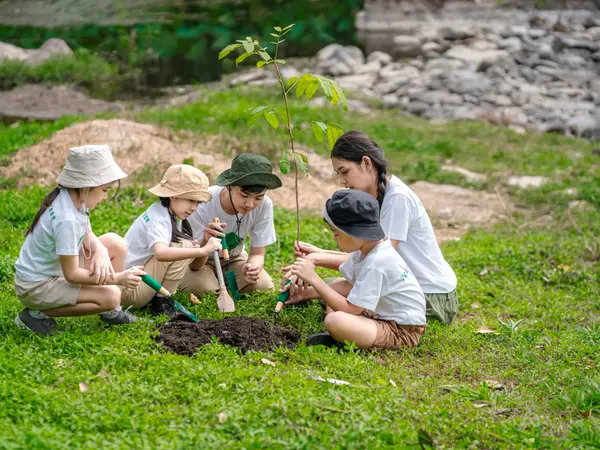
inculcate
[in-kuhl-keyt]
to implant by repeated statement or admonition; teach persistently and earnestly (usually followed by upon or in)

penetrating
[pen-uh-tray-ting]
able to enter or understand deeply
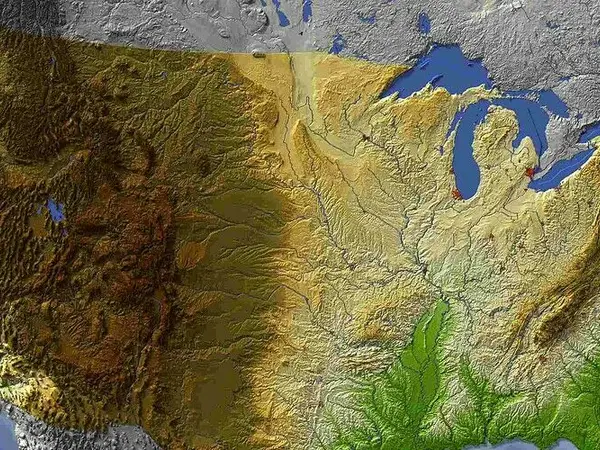
conterminous
[kuhn-tur-muh-nuhs]
having a common boundary
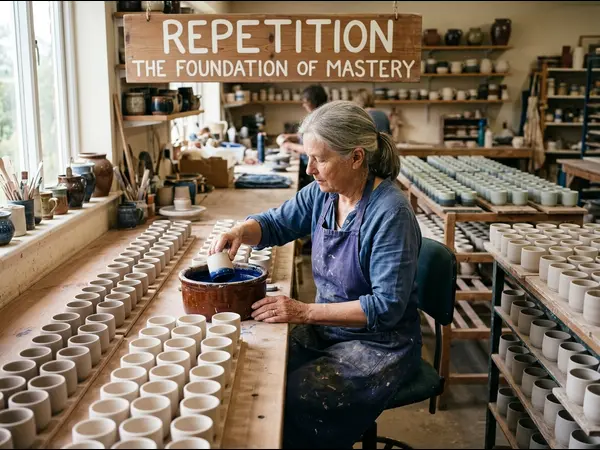
repetition
[r-ep-et-ishun]
the act of doing, saying, or showing something again, often to emphasize or reinforce.

quell
[kwel]
to suppress; put an end to; extinguish
volitional
[voh-lish-uh-nl]
done of one’s own will or choosing; deliberately decided or chosen

flimflam
[flim-flam]
a piece of nonsense; twaddle; bosh
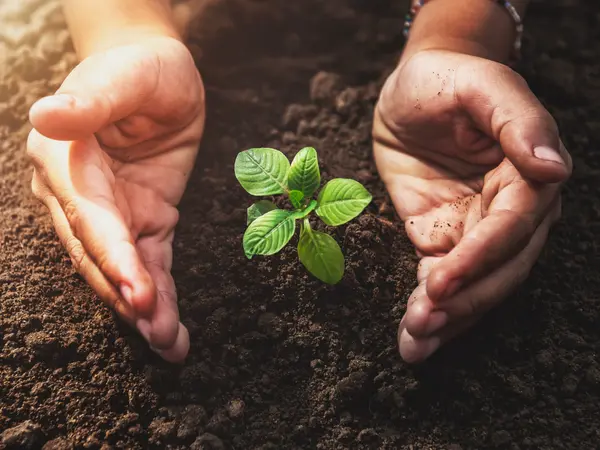
cultivate
[kuhl-tuh-veyt]
to promote the growth or development of; foster

eleemosynary
[el-uh-mos-uh-ner-ee]
relating to charity or almsgiving.
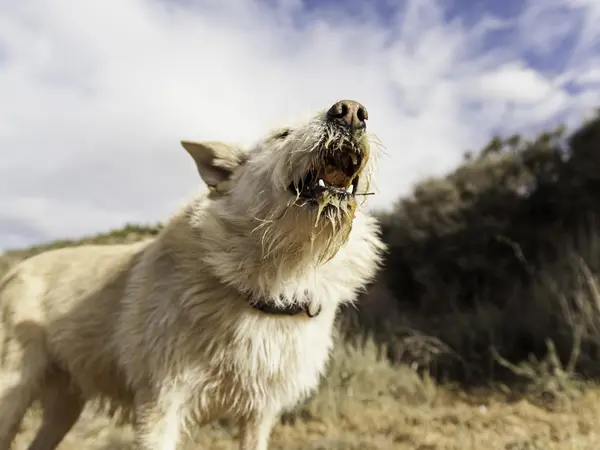
yelp
[yelp]
to give a quick, sharp, shill cry, as a dog or fox
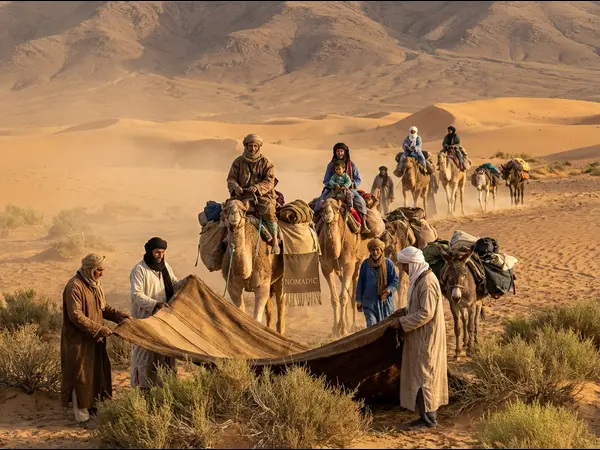
nomadic
[no-mad-dic]
wandering from place to place

glamour
[gl-am-our]
the alluring or fascinating quality that makes something seem special, exciting, or desirable.