
libertarian
adjectiveDefinition
What Makes This Word Tick
Libertarian refers to someone who prioritizes personal liberty and limited government control. The term centers on reducing state involvement in economic and social matters. Unlike conservative or liberal in broader political use, libertarian specifically emphasizes individual freedom as the guiding principle.
If Libertarian Were a Person…
If this word were a person, they would question rules that restrict personal choice. They value independence and self-determination. Freedom stands at the center of their decisions.
How This Word Has Changed Over Time
Libertarian originally related to philosophical ideas about free will. Over time, especially in political contexts, it came to describe advocacy for limited government. Its modern sense is closely tied to economic and civil liberty debates.
Old Sayings and Proverbs
Proverb-style wisdom that values freedom over control often reflects libertarian thinking. Such expressions stress personal responsibility alongside liberty.
Surprising Facts
Libertarian can function as both a noun and an adjective. The term appears in political theory and party identification. Its meaning can vary slightly across countries.
Out and About With This Word
You’ll encounter libertarian in political discussions, policy debates, and academic writing. It appears when emphasizing minimal regulation. The term signals a philosophy rooted in autonomy.
Pop Culture Moments Where Libertarian Was Used
In political commentary, public figures are sometimes described as libertarian when they advocate deregulation. The word underscores commitment to personal freedom. It frames ideological identity.
The Word in Literature
Writers use libertarian to describe characters or thinkers who resist centralized control. It often signals ideological conviction. The term sharpens political characterization.
Moments in History with Libertarian
Historical debates over taxation, regulation, and civil rights have included libertarian arguments. The word captures a recurring tension between authority and liberty. It reflects ongoing ideological dialogue.
This Word Around the World
While libertarian is widely used in English-speaking countries, similar philosophies exist globally. Terminology may differ, but the emphasis on personal freedom is common. Cultural context shapes nuance.
Where Does It Come From?
Libertarian derives from Latin libertas, meaning freedom. The root highlights liberty as the core concept. Its modern political sense builds directly from that foundation.
How People Misuse This Word
People sometimes use libertarian loosely to mean simply independent-minded. However, it specifically refers to a political philosophy centered on limited government.
Words It’s Often Confused With
Libertarian is often confused with liberal, though liberal can support broader government roles. It can also be mistaken for anarchist, which typically rejects government entirely rather than minimizing it.
Additional Synonyms and Antonyms
Additional Synonyms: minimal-government advocate, civil libertarian, market liberal Additional Antonyms: interventionist, collectivist, authoritarian
Want to Try It Out in a Sentence?
"He identifies as a libertarian because he believes government should interfere as little as possible in personal choices."
Explore more words

flibbertigibbet
[flib-er-tee-jib-it]
a frivolous, flighty, or excessively talkative person

flimflam
[flim-flam]
a piece of nonsense; twaddle; bosh

delectable
[dih-lek-tuh-buhl]
delicious

exculpate
[eks-kul-payt]
to clear from blame or guilt

ostensible
[o-sten-suh-buhl]
outwardly appearing as such; professed; pretended

brash
[brash]
confident in an aggressive or rude way

strident
[strahyd-nt]
making or having a harsh sound; grating; creaking

equinox
[ee-kwuh-noks]
the time or date (twice each year) at which the sun crosses the celestial equator, when day and night are of approximately equal length

bedevil
[bih-dev-uhl]
to cause great trouble or torment

expectant
[ik-spek-tuhnt]
having expectations; expecting

cheat
[cheet]
to act dishonestly to gain an advantage

pervasive
[per-vey-siv]
spread throughout

cachinnate
[kak-uh-neyt]
to laugh loudly or immoderately

bilious
[bil-yuhs]
extremely unpleasant or distasteful
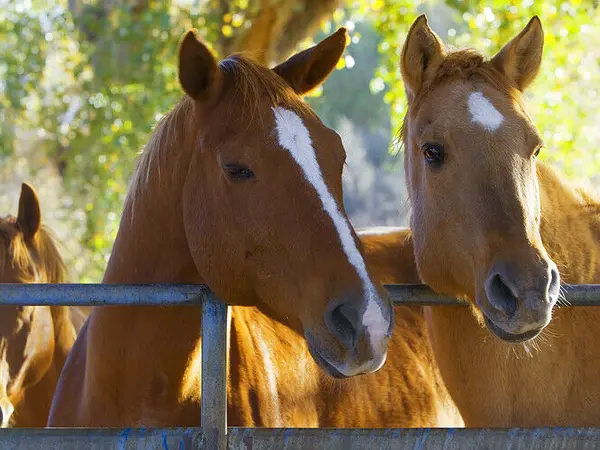
palfrey
[pawl-free]
a docile horse used for ordinary riding, especially by women

accord
[uh-kord]
an agreement