
deliberately
adverbDefinition
What Makes This Word Tick
Deliberately means doing something in a slow, unhurried, steady way, as if you’re choosing each step rather than rushing. It implies control and care, not panic or impulsiveness. It can overlap with purposefully, but this definition highlights the measured pace as much as the intent.
If Deliberately Were a Person…
Deliberately would be the person who pauses before speaking and never seems flustered. They move with calm intention, like they’ve already decided not to be hurried by anyone else’s urgency. Their steadiness is the message.
How This Word Has Changed Over Time
Deliberately has long carried the sense of acting with intention, and in many contexts it still signals careful choice. In this definition, the spotlight is on pace and steadiness, so it often feels like the opposite of rushed or accidental.
Old Sayings and Proverbs
A proverb-style idea that matches deliberately is that slow steps can still be sure steps. This reflects the word’s sense of unhurried steadiness, where careful movement can prevent mistakes that come from rushing.
Surprising Facts
Deliberately can change the emotional temperature of a sentence, making an action feel controlled and conscious. It often suggests self-management—choosing pace and restraint rather than letting circumstances dictate speed. In narratives, it can also build suspense by slowing the reader’s sense of time.
Out and About With This Word
You’ll often see deliberately in descriptions of careful decisions, measured responses, and actions taken without haste. It’s common in workplace, legal, and personal storytelling contexts where intent and control matter. It’s less natural for truly accidental events, where the whole point is lack of intention.
Pop Culture Moments Where Deliberately Was Used
In pop culture, the deliberately vibe shows up in scenes where a character stays calm under pressure—walking away, choosing words carefully, or taking a slow, steady action while others panic. The concept fits because the measured pace signals control, confidence, or restraint.
The Word in Literature
In literary writing, deliberately is often used to control pacing, slowing a moment so the reader notices intention in every move. It can sharpen characterization by showing restraint, caution, or quiet resolve. The word also adds narrative focus, guiding attention toward the fact that the action wasn’t rushed or accidental.
Moments in History with Deliberately
Throughout history, the idea behind deliberately appears in situations where careful decisions matter—negotiations, planning, and high-stakes choices where haste can cause harm. It fits these contexts because it highlights steadiness and control when pressure pushes toward speed. The concept helps explain why some outcomes depend on measured action rather than quick reaction.
This Word Around the World
Across languages, this idea is usually expressed through words that mean “intentionally” and “in a measured way,” though some languages separate “on purpose” from “slowly and steadily.” The key is preserving the sense of controlled pace rather than mere delay.
Where Does It Come From?
Deliberately traces back to Latin roots connected to weighing or considering carefully, which matches the idea of controlled, thoughtful action. Over time, it became a natural way to describe behavior that’s not rushed and not accidental—done with steady intention.
How People Misuse This Word
Deliberately is sometimes used as if it only means “slowly,” but the word also carries a strong sense of intention and control. Another mix-up is using it for truly accidental outcomes, where accidentally or unintentionally fits better.
Words It’s Often Confused With
Deliberately is often confused with slowly, but slowly can be unintentional while deliberately implies controlled choice. It’s also close to intentionally, but deliberately (in this sense) adds an unhurried, steady feel. Carefully overlaps too, but carefully emphasizes avoiding mistakes more than pacing.
Additional Synonyms and Antonyms
Additional Synonyms: knowingly, consciously, on purpose, in a measured way Additional Antonyms: inadvertently, by mistake, haphazardly, impulsively
Want to Try It Out in a Sentence?
"She deliberately avoided discussing the topic to prevent an argument."
Explore more words

nadir
[ney-der]
the lowest point; point of greatest adversity or despair

disrespectful
[dis-ri-spekt-fuhl]
showing a lack of respect

open
[oh-puhn]
not closed or locked; accessible to others
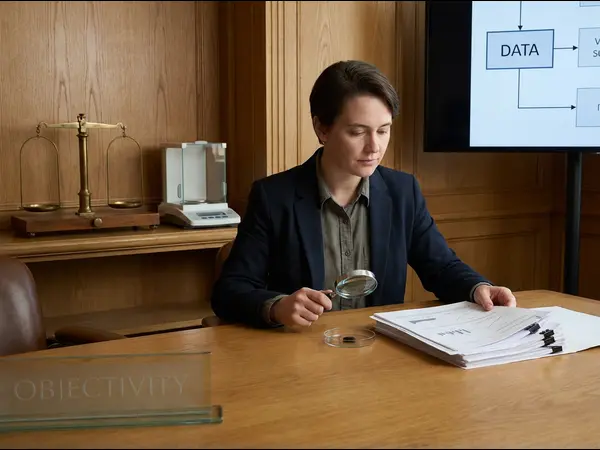
objectivity
[obj-ekt-iv-ity]
the quality of being impartial, unbiased, and based on facts rather than personal feelings.

quisling
[kwiz-ling]
a person who betrays his or her own country by aiding an invading enemy, often serving later in a puppet government; a traitor
fledgling
[flej-ling]
young, new, or inexperienced

coax
[kohks]
to manipulate to a desired end by adroit handling or persistent effort

cabal
[kuh-bal]
a small group of secret plotters, as against a government or person in authority

caustic
[kaw-stik ]
capable of burning, corroding, or destroying living tissue.

dapper
[dap-er ]
neat; trim; smart

materialize
[muh-teer-ee-uh-lize]
to appear or become actual

overlord
[ov-erl-ord]
a person in authority, especially one who exercises control in a domineering way.

dilapidated
[dih-lap-i-dey-tid]
reduce to or fallen into partial ruin or decay, as from age, wear, or neglect

bewitched
[b-ew-itch-ed]
enchanted or under a magical spell; also refers to being captivated or charmed.

renowned
[ri-nound]
celebrated; famous

truncate
[truhng-keyt]
to shorten by cutting off a part; cut short