
dilute
verbDefinition
What Makes This Word Tick
Dilute means making something less concentrated, often by adding another substance (like water) so the original strength or flavor is reduced. It’s about lowering intensity, not removing the thing entirely. “Water down” has a similar idea but can sound more judgmental, while dilute can be neutral and practical.
If Dilute Were a Person…
Dilute would be the friend who always suggests turning the volume down instead of turning it off. They soften strong flavors, strong emotions, and strong opinions until they’re easier to handle. Their vibe is moderation by mixing.
How This Word Has Changed Over Time
Dilute has stayed closely tied to the idea of reducing concentration or strength. Over time it’s also become common in figurative use, where ideas, messages, or values are said to be diluted when they lose force.
Old Sayings and Proverbs
A proverb-style idea that fits dilute is that too much mixing can weaken what you started with. This captures the sense that reducing strength may make something easier to consume, but also less vivid.
Surprising Facts
Dilute is often used in science and cooking, but it also shows up in conversation about meaning and impact. The word implies a measurable change: stronger becomes weaker, concentrated becomes thin. It can be a helpful, non-dramatic way to describe a reduction in intensity.
Out and About With This Word
You’ll see dilute in recipes, lab instructions, and everyday kitchen talk, especially with drinks, sauces, and solutions. It also appears in writing about messaging or standards when people worry something has lost its original strength. Context usually makes clear whether the use is literal or figurative.
Pop Culture Moments Where Dilute Was Used
In pop culture, the idea of dilution often shows up when something “gets watered down” for broader appeal or when a strong plan loses punch after too many compromises. It reflects the definition because the original force becomes less concentrated.
The Word in Literature
In literature, dilute works well in both sensory description and metaphor: a diluted color, a diluted taste, or a diluted conviction. Writers use it to show loss of intensity in a clean, concrete way, making abstract weakening feel tangible.
Moments in History with Dilute
The concept behind dilute appears wherever mixtures matter—medicine, chemistry, food, and drink—because concentration can determine effectiveness and experience. It also fits broader cultural moments when people argue that an idea has been weakened by compromise.
This Word Around the World
Many languages have direct verbs meaning “to make less concentrated” or “to thin out,” and often a separate phrase for the figurative sense of weakening impact. Translating dilute well means keeping that concentration-and-strength idea, not merely “to reduce.”
Where Does It Come From?
Dilute traces back to Latin roots tied to washing away and dissolving, which fits the idea of dispersing a substance so it’s less concentrated. The origin reinforces the image of something strong being spread out into something weaker.
How People Misuse This Word
Dilute is sometimes used as if it means “remove,” but it means reduce concentration or strength, not eliminate completely. Another mix-up is using it when something is simply smaller in quantity; dilution is about concentration, not just amount.
Words It’s Often Confused With
Dilute is often confused with reduce, but reduce can mean making less in general while dilute specifically means making less concentrated. It’s also close to weaken, though weaken can be broader and doesn’t necessarily involve mixing. “Water down” overlaps strongly, but it can imply lowering quality or seriousness.
Additional Synonyms and Antonyms
Additional Synonyms: thin out, attenuate, dilute further, cut Additional Antonyms: intensify, fortify, make stronger, concentrate further
Want to Try It Out in a Sentence?
"She had to dilute the juice with water because it was too sweet."
Explore more words

abject
[ab-jekt]
(of something bad) experienced or present to the maximum degree

inviolable
[in-vio-ble]
secure from assault

beseech
[bih-seech]
to implore urgently

tyro
[tahy-roh]
a beginner in learning anything; novice
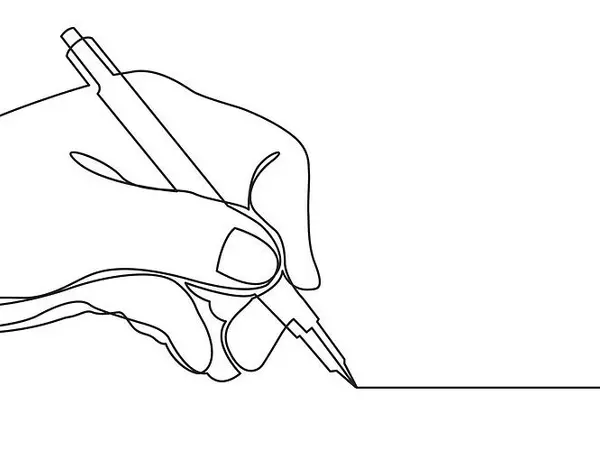
adumbrate
[a-duhm-breyt]
to produce a faint image or resemblance of; to outline or sketch

hazy
[hey-zee]
characterized by the presence of haze; misty
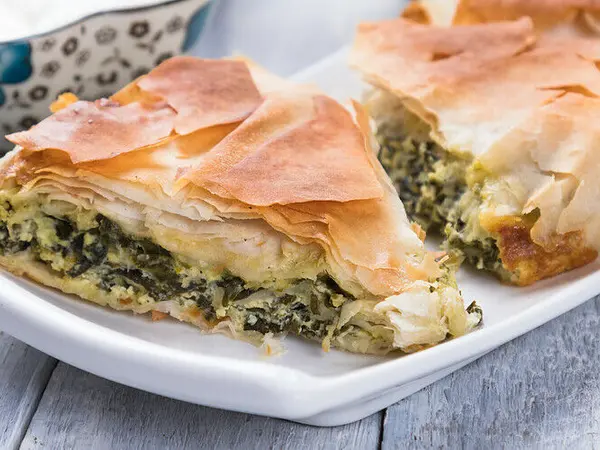
phyllo
[fee-loh]
flaky, tissue-thin layers of pastry used in baked desserts and appetizers

cravat
[kruh-vat]
a short, wide strip of fabric worn by men around the neck and tucked inside an open-necked shirt

binding
[bahyn-ding]
tying or securing something; obligatory

brawl
[br-awl-awl]
a rough or noisy fight or quarrel.
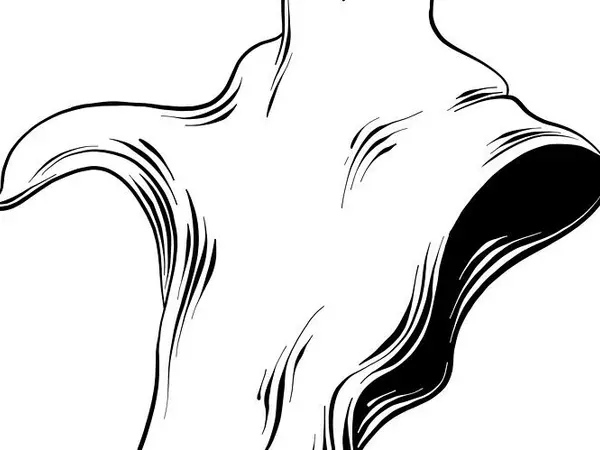
wraith
[reyth]
a ghost or ghostlike image of someone, especially one seen shortly before or after their death

estranged
[ih-streynjd]
displaying or evincing a feeling of alienation; alienated

haboob
[huh-boob]
a thick dust storm or sandstorm that blows in the deserts of North Africa and Arabia or on the plains of India

jurisprudence
[joor-is-prood-ns]
a legal system

waft
[waft]
to carry lightly and smoothly through the air or over water

bedraggled
[bih-drag-uhld]
dirty and disheveled