
brawl
nounDefinition
What Makes This Word Tick
Brawl means a loud, rough fight, usually involving more than just a quiet disagreement. It belongs to chaotic scenes where anger spills into physical struggle and noise. The word suggests disorder and force, not calm argument or controlled conflict.
If Brawl Were a Person…
Brawl would be the one who bursts through the door like trouble already in motion. They are noisy, messy, and impossible to ignore once things get heated. Their energy turns tension into a public clash.
How This Word Has Changed Over Time
The word has kept its connection to noisy fighting and unruly conflict. Even when used figuratively now and then, its core sense still carries the feel of a rough, public struggle.
Old Sayings and Proverbs
A proverb-style idea that fits brawl is that when tempers rise without restraint, everyone gets dragged into the mess. That matches the word because a brawl is bigger and louder than a private quarrel.
Surprising Facts
Brawl is one of those words whose sound almost carries the noise of the scene. It suggests confusion as much as violence, which is why it feels different from a neat or planned fight. The word often paints motion, shouting, and crowd energy all at once.
Out and About With This Word
You will most often meet brawl in news reports, sports talk, storytelling, and descriptions of public fights. It fits alleys, bars, crowded streets, and any setting where tempers erupt into disorder. The word is useful when conflict becomes noisy and hard to contain.
Pop Culture Moments Where Brawl Was Used
In pop culture, the concept behind brawl appears in tavern fights, street clashes, and comic or dramatic scenes where one shove turns into total chaos. It works because audiences instantly understand the mix of noise, motion, and disorder. That makes it a favorite for fast, messy conflict.
The Word in Literature
In literature, brawl gives conflict a physical and unruly shape. Writers use it when they want disorder to break through speech and become action. The word can turn a tense scene suddenly rough and crowded.
Moments in History with Brawl
The concept of brawl belongs to historical moments of unrest, crowd conflict, and public disorder on a smaller scale than war. It fits scenes where anger broke out quickly and control slipped.
This Word Around the World
Across languages, this idea is usually expressed through words for fight, scuffle, or chaotic clash. The exact shade varies, but the noisy, rough quality of a brawl is easy to recognize across cultures.
Where Does It Come From?
Brawl comes from Middle English brawlen, meaning to quarrel noisily or fight. That history still echoes in the modern word, which combines uproar with physical conflict.
How People Misuse This Word
People sometimes call any brief fight a brawl, but the word works best when the clash feels rough, noisy, and somewhat chaotic. It suggests more disorder than a one-on-one scuffle.
Words It’s Often Confused With
Scuffle is usually smaller and less intense than a brawl. Melee can sound broader and more chaotic, sometimes involving a larger crowd. Riot suggests a bigger public disturbance, while brawl stays closer to a rough fight.
Additional Synonyms and Antonyms
Additional Synonyms: clash, tussle, donnybrook Additional Antonyms: order, reconciliation, stillness
Want to Try It Out in a Sentence?
"The argument in the alley quickly turned into a full brawl."
Explore more words
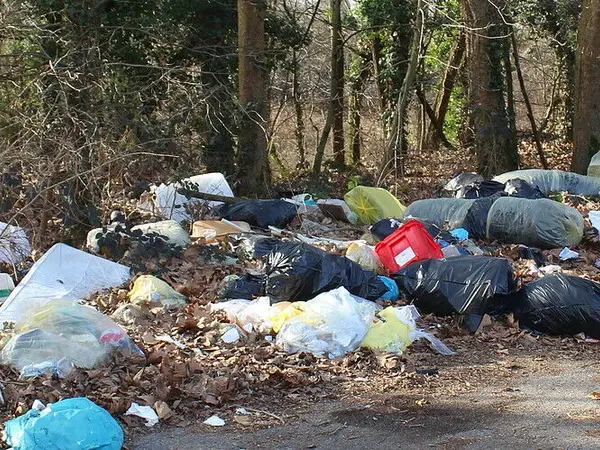
repugnant
[ri-puhg-nuhnt]
in conflict with; incompatible with

stalactite
[stuh-lak-tahyt]
a deposit, usually of calcium carbonate, shaped like an icicle, hanging from the roof of a cave or the like, and formed by the dripping of percolating calcareous water

defenestrate
[dee-fen-uh-streyt]
to suddenly remove (a person) from an important position or office
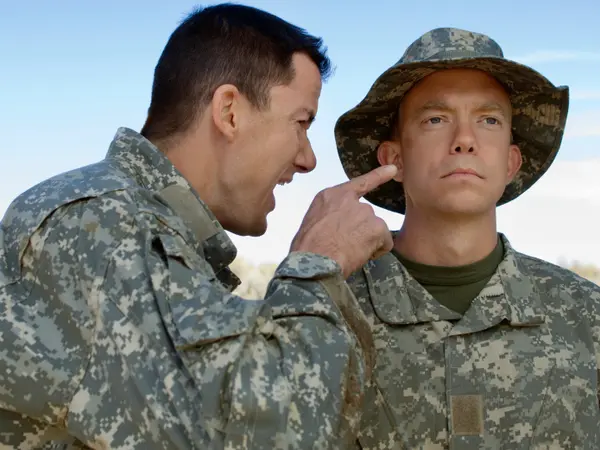
chasten
[chey-suhn]
to inflict suffering upon for purposes of moral improvement; chastise
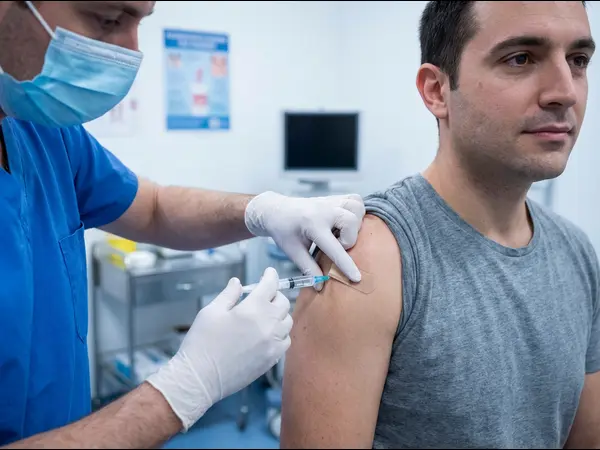
inject
[in-jekt]
to introduce a substance into something, typically a body or system
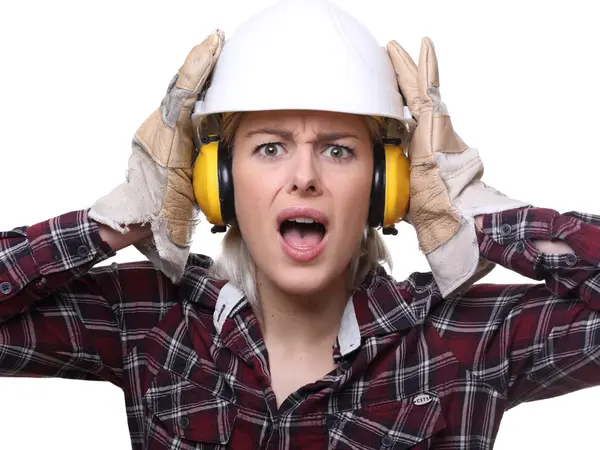
strident
[strahyd-nt]
making or having a harsh sound; grating; creaking

torque
[tawrk]
the ability of an element that rotates, like a gear or shift, to overcome resistance
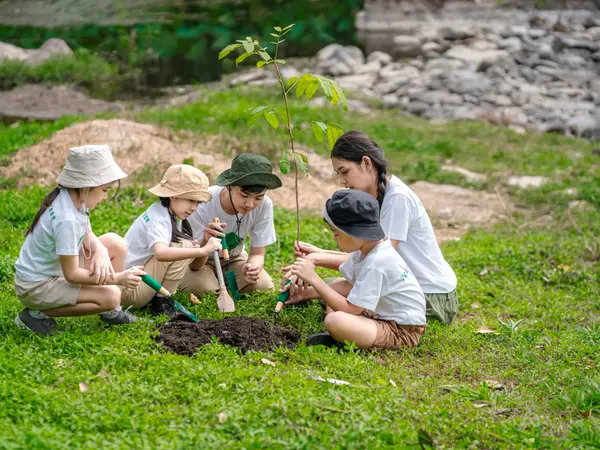
inculcate
[in-kuhl-keyt]
to implant by repeated statement or admonition; teach persistently and earnestly (usually followed by upon or in)
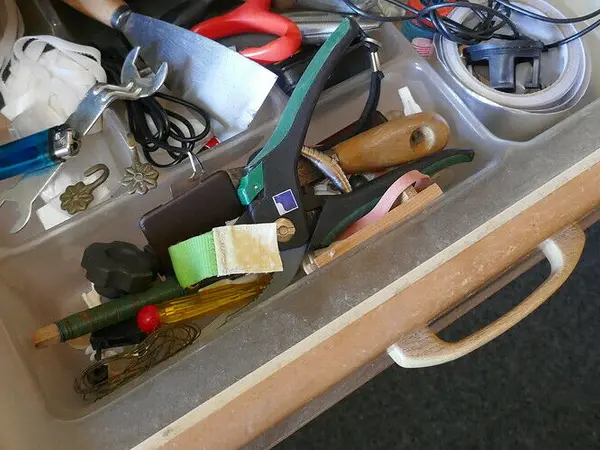
manavelins
[muh-nav-uh-linz]
miscellaneous pieces of gear and material
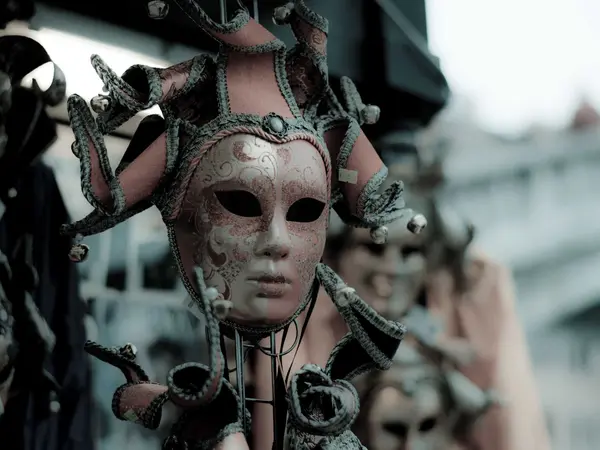
harlequin
[hahr-luh-kwin]
fancifully varied in color, decoration, etc.
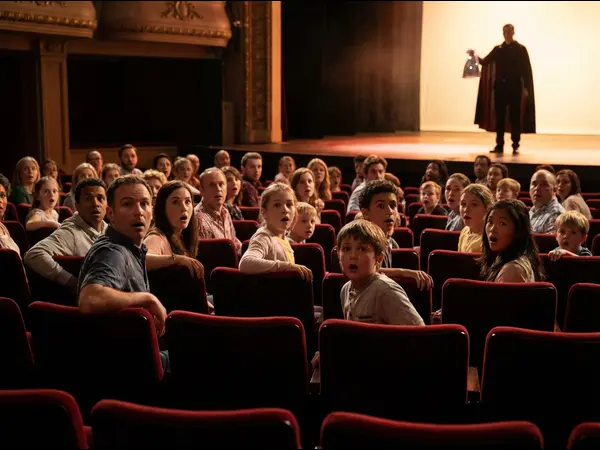
bewitched
[b-ew-itch-ed]
enchanted or under a magical spell; also refers to being captivated or charmed.

revel
[rev-uhl]
to take great pleasure or delight

evolution
[ev-uh-loo-shun]
a process in which something passes by degrees to a different stage (especially a more advanced or mature stage)
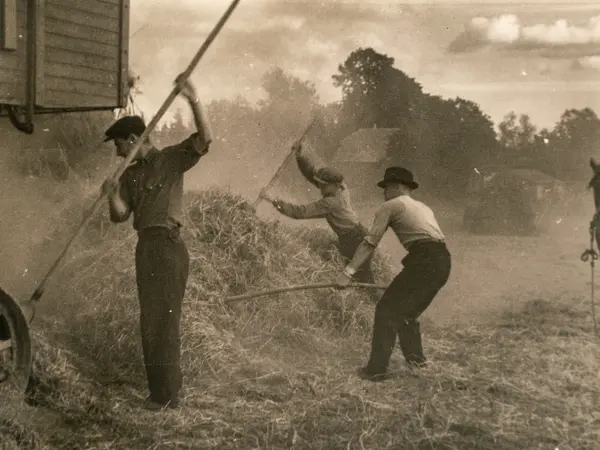
arduous
[ahr-joo-uhs]
requiring great exertion; laborious; difficult
annexing
[an-ek-sing]
to add or attach something, especially territory
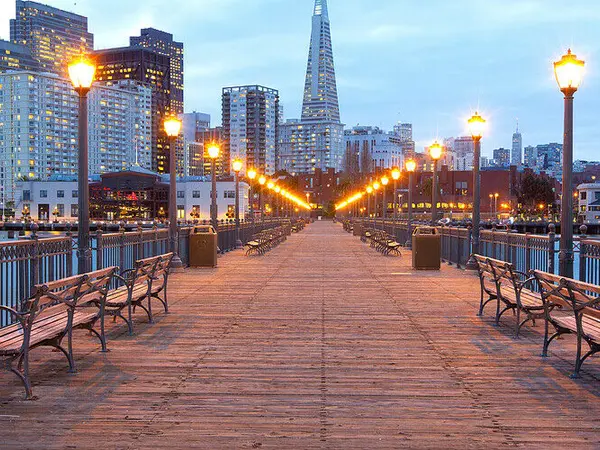
embarcadero
[em-bahr-kuh-dair-oh]
a pier, wharf, or landing place