
chat
verbDefinition
What Makes This Word Tick
Chat refers to relaxed, informal conversation between people. It emphasizes friendly exchange rather than serious debate or formal discussion.
If Chat Were a Person…
Chat would sit comfortably with a cup of coffee, happily talking about anything from daily events to favorite hobbies.
How This Word Has Changed Over Time
Originally meaning light or idle talk, chat now applies to many forms of casual conversation, including digital communication.
Old Sayings and Proverbs
Informal talk appears in many sayings about friendship and conversation.
Surprising Facts
The rise of online messaging introduced phrases like chat room and live chat, expanding the word into digital culture.
Out and About With This Word
You’ll hear chat in everyday conversation about talking casually with friends or coworkers.
Pop Culture Moments Where Chat Was Used
In modern media, chat often refers to online messaging platforms and social conversations happening instantly.
The Word in Literature
Authors use chat to show relaxed dialogue between characters in everyday situations.
Moments in History with Chat
The expansion of digital communication transformed chat into a common term for real-time online conversation.
This Word Around the World
Most languages have informal verbs for friendly conversation similar to chat.
Where Does It Come From?
Chat developed from the Middle English word chatteren, an imitation of the sound of lively talk.
How People Misuse This Word
Sometimes chat is used for formal discussions, though the word normally implies casual, friendly conversation.
Words It’s Often Confused With
Chat overlaps with talk and converse, but chat usually sounds more relaxed and informal.
Additional Synonyms and Antonyms
Additional Synonyms: gab, natter, socialize Additional Antonyms: hush, silence, suppress
Want to Try It Out in a Sentence?
"They stayed up late to chat about their favorite books and movies."
Explore more words

despicable
[des-pi-kuh-buhl]
deserving to be despised, or regarded with distaste, disgust, or disdain; contemptible

clairvoyant
[klair-voi-uhnt]
of, by, or pertaining to clairvoyance

brash
[brash]
confident in an aggressive or rude way

pragmatism
[prag-muh-tiz-uhm]
character or conduct that emphasizes practicality
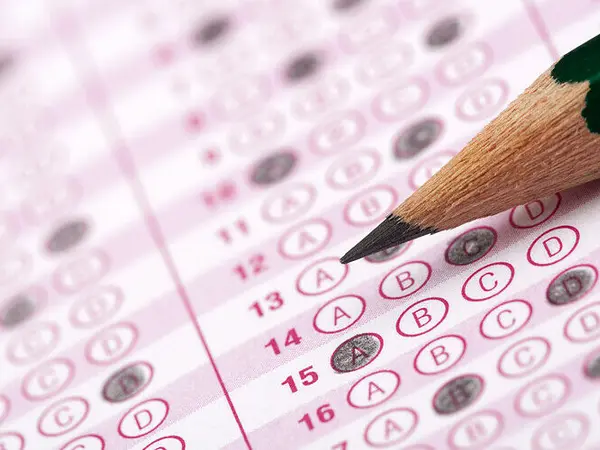
prerogative
[pri-rog-uh-tiv]
a right, privilege, etc., limited to a specific person or to persons of a particular category

alluring
[uh-loor-ing]
powerfully attractive or charming

infamy
[in-fuh-mee]
extremely bad reputation, public reproach, or strong condemnation as the result of a shameful, criminal, or outrageous act

adorned
[ad-orn-ed]
decorated or embellished to make something more attractive.

tally
[tal-ee]
a total count or score

blithe
[blahyth]
happy or joyous

effortlessly
[ef-ert-lis-lee]
in a way that requires little or no effort.

rapprochement
[rap-rohsh-mahn]
an establishment or resumption of harmonious relations
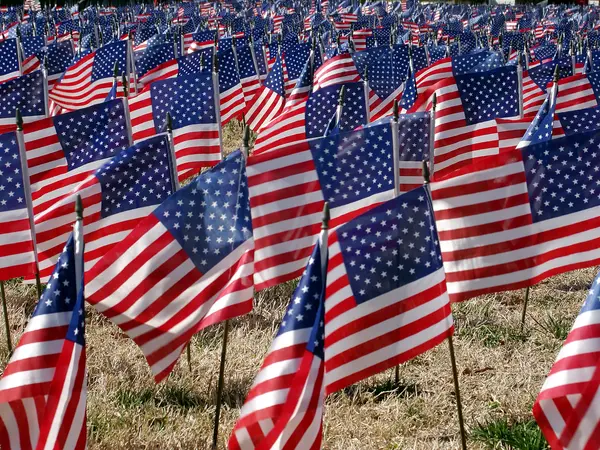
commemorate
[kuh-mem-uh-reyt]
to serve as a memorial or reminder of
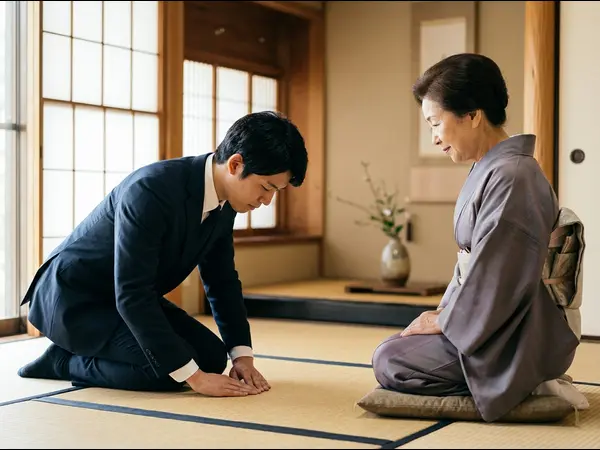
deference
[def-er-uhns]
respectful submission or yielding to the judgment, opinion, will, etc., of another

endemic
[en-dem-ik]
natural to or characteristic of a specific people or place; native; indigenous

energy
[en-er-jee]
the capacity for activity or the strength required to do work