
affliction
nounDefinition
What Makes This Word Tick
Affliction names a condition of suffering—physical, emotional, or both—that weighs on someone. It’s often used when the pain isn’t just a quick moment but something that lingers or shapes daily life. Compared with simple pain, affliction feels heavier and more enduring.
If Affliction Were a Person…
Affliction would be the unwanted companion who shows up and refuses to leave quietly. They have a way of dimming the mood and demanding attention, even when everyone wants to move on. You’d recognize them by the way they slow things down and make small tasks feel hard.
How This Word Has Changed Over Time
Affliction is still used in a way that closely matches its core idea of distress and suffering. Over time, it has remained a flexible label for many kinds of hardship, from illness to emotional burdens, without losing its serious tone.
Old Sayings and Proverbs
A proverb-style idea that fits affliction is that hardship can test what truly matters and reveal resilience. It connects to the word because affliction isn’t just discomfort—it’s the kind of suffering that forces a person to cope, adapt, or lean on others.
Surprising Facts
Affliction can refer to a specific condition (“an affliction”) or to suffering more generally (“in affliction”), which makes it useful in both personal and formal writing. It often carries a slightly elevated tone compared with everyday words like problem or pain. Because it’s broad, context usually tells you whether the suffering is physical, emotional, or both.
Out and About With This Word
You’ll see affliction in discussions of health, hardship, and difficult life circumstances. It appears in reflective writing, speeches, and serious conversations where a stronger word than discomfort is needed. It also shows up when someone wants to describe suffering with a touch of gravity and compassion.
Pop Culture Moments Where Affliction Was Used
In pop culture, affliction lives in storylines about characters dealing with ongoing struggle—illness, grief, or heavy pressure. The concept shows up when a plot explores endurance rather than a quick setback. It’s the word behind arcs where someone learns to live with pain, not just escape it.
The Word in Literature
In literature, affliction often helps set a sober mood and signal that the suffering is meaningful, not minor. Writers use it to frame hardship as something that shapes character, decisions, and relationships. It can also compress a lot of experience into one word, letting the reader feel the weight without a long explanation.
Moments in History with Affliction
Historically, the idea of affliction fits periods marked by widespread hardship—times when distress and suffering touched everyday life. It also applies to personal stories within history, where individuals faced ongoing pain or loss. The concept highlights endurance and the human need for relief and solace.
This Word Around the World
Across languages, the closest equivalents usually sit near words for suffering, distress, or illness, depending on context. Affliction tends to translate into terms that carry seriousness rather than casual discomfort. The shared idea is a burden that hurts and persists.
Where Does It Come From?
Affliction is traced here to Latin afflictio, connected to distress, and to affligere, described as “to strike down.” That origin matches the modern sense: suffering that feels like it has knocked someone down or pressed on them.
How People Misuse This Word
Affliction is sometimes used for minor annoyances, but it usually implies something more serious than a brief inconvenience. Another common slip is treating it as purely physical; it can also describe emotional or mental suffering when the context supports it.
Words It’s Often Confused With
Ailment points more specifically to illness, while affliction can be broader than health. Misery describes a feeling state, whereas affliction can be a condition or source of suffering. Distress overlaps strongly, but affliction often feels more enduring or defining.
Additional Synonyms and Antonyms
Additional Synonyms: torment, hardship, malady, woe Additional Antonyms: ease, wellbeing, contentment
Want to Try It Out in a Sentence?
"Her affliction caused her great physical and emotional pain."
Explore more words

malign
[muh-lahyn]
to speak harmful untruths about; speak evil of; slander; defame

constituent
[co-nst-ent]
an essential part

largesse
[lar- jes]
the generous bestowal of gifts, favors, or money

case
[k-as-e]
a container or situation designed for a specific purpose; also refers to an instance or example.

balcony
[bal-kuh-nee]
a platform projecting from a wall of a building, enclosed by a railing

floating
[fl-oat-ing]
resting or moving on the surface of a liquid without sinking.

dilatory
[dil-uh-tawr-ee]
tending to delay or procrastinate; slow; tardy

inveterate
[in-vet-er-it ]
settled or confirmed in a habit, practice, feeling, or the like

concatenate
[kon-kat-n-eyt]
link (things) together in a chain or series

swathe
[swoth]
to wrap, bind, or swaddle with bands of some material; wrap up closely or fully
ambrosial
[am-broh-zhuhl]
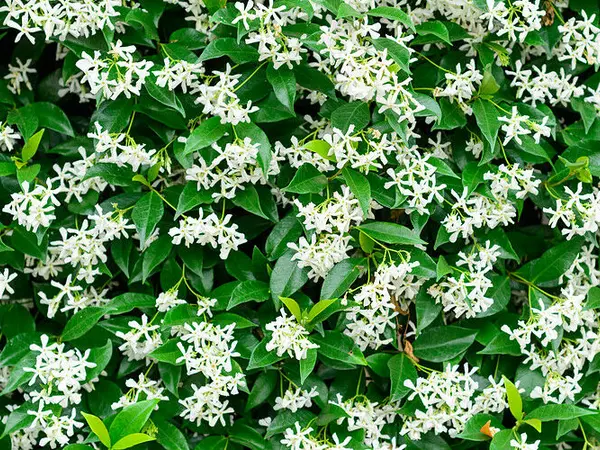
exceptionally pleasing to taste or smell; especially delicious or fragrant

marred
[mahr-d]
damaged or spoiled to a certain extent; rendered less perfect, attractive, useful, etc.; impair or spoil
deleterious
[del-i-teer-ee-uhs]
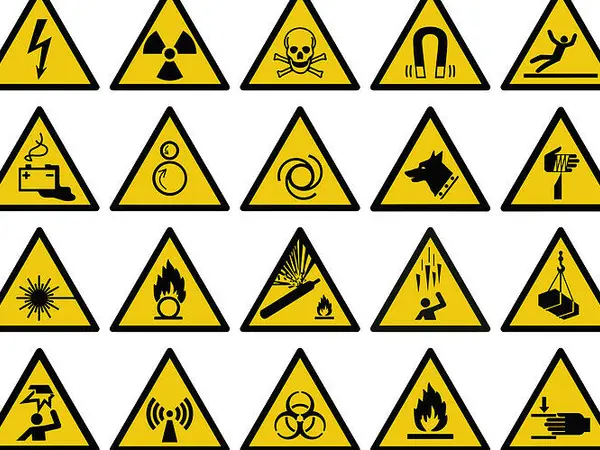
injurious to health

aberration
[ab-uh-rey-shuhn]
a departure from what is normal, usual, or expected, typically one that is unwelcome

verdant
[vur-dnt]
green with vegetation; covered with growing plants or grass

drowse
[drouz]
to be dull or sluggish