
antipathy
nounDefinition
What Makes This Word Tick
"Antipathy" is like a charmingly grumpy neighbor-it's all about strong feelings, usually of dislike or aversion. It has a refined air, suggesting not just any old distaste, but a deep-seated one. It's the word you'd use when "dislike" just doesn't pack enough punch.
If Antipathy Were a Person…
Antipathy would likely be the no-nonsense critic at the end of the dinner table, selectively turning up their nose at anything not up to their standards. They're the kind of individual who prefers classics over fads and isn't shy about expressing which trends don't impress them.
How This Word Has Changed Over Time
The essence of "antipathy" has remained fairly consistent through the centuries. Originating from the Greek 'antipathes', meaning "opposed in feeling," it has kept its clear stance on expressing a strong dislike. Unlike many words that evolve, "antipathy" is steadfast in its meaning.
Old Sayings and Proverbs That Use Antipathy
While it may not frequently appear in proverbs, the concept appears timelessly. Think of the old adage "opposites attract," where the hidden inverse might imply that similar forces repel-or at least incite antipathy among kindred spirits with differing opinions.
Surprising Facts About Antipathy
Did you know "antipathy" doesn't just relate to personal feelings? It can also refer to general societal sentiments, like an antipathy to change. It's a word with applications that pop up in everything from personal relationships to global policies.
Out and About With This Word
In the modern world, antipathy can make its rounds at diplomatic meetings or academic debates, where differences of opinion are truthfully laid bare. It's the term reporters might use when describing longstanding grievances between rival sports teams.
Pop Culture Moments Where Antipathy Was Used
In the realm of entertainment, those celebrities or characters who declare their "antipathy" for certain foods, fashion trends, or fellow celebs often make headlines. These declarations provide colorful soundbites that fuel fans' fascinations.
The Word in Literature
"Antipathy" is right at home in the pages of classic literature, as beloved authors like Jane Austen and Charles Dickens have been known to sprinkle it throughout tales of social intrigue, where characters navigate personal and societal dislikes.
Moments in History with Antipathy
Political history is rife with examples of antipathy-consider how the fierce aversions of the Cold War era defined decades of global relations. Such stark opposition between ideologies exemplifies how antipathy can shape world events and narratives.
This Word Around the World
While "antipathy" holds its meaning across English-speaking cultures, you'll find similar sentiments worldwide. In Germany, "Abneigung" captures a comparable essence, and in France, "antipathie" resonates with the same eloquent disdain.
Where Does It Come From?
The roots of "antipathy" stretch back to Greek, with 'anti' meaning against and 'pathos' meaning feeling. It's a linguistic marriage symbolizing opposing emotions, passed down through Latin to its current English form.
How People Misuse This Word
People sometimes incorrectly equate "antipathy" with mere indifference, when it's really about strong aversion, not a lack of interest. It's more than a passing "meh" and better suited for when your emotions are clearly engaged-albeit negatively.
Words It's Often Confused With
- Apathy: While "apathy" is about lack of feeling or indifference, "antipathy" is charged with emotion.
- Enmity: Often involves hostility or enemy action, whereas "antipathy" is a gentler, more personal dislike.
- Dislike: A milder disinclination, "dislike" doesn't carry the weight or depth of "antipathy."
Additional Synonyms and Antonyms
Synonyms for antipathy include aversion, dislike, and distaste. Its antonyms would be fondness, affinity, and affection.
Want to Try It Out in a Sentence?
After attending a series of tedious committee meetings, Harold felt a growing antipathy toward office politics, and decided it was time for a new hobby.
Explore more words

deplete
[dih-pleet]
to decrease seriously or exhaust the abundance or supply of

brainstorm
[brayn-storm]
a group discussion to generate ideas
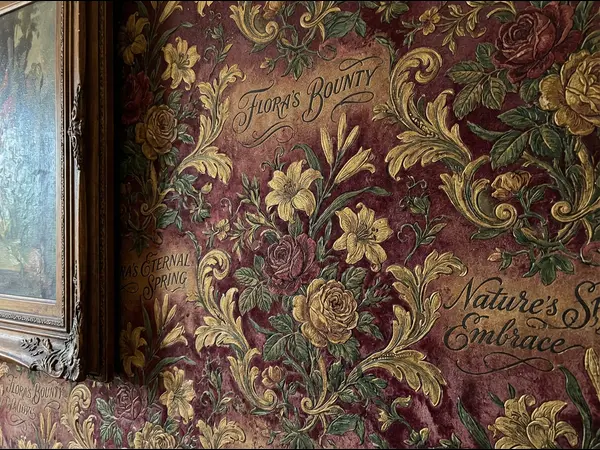
flowery
[flow-er-ee]
decorated with flowers; overly elaborate in style

obviate
[ob-vee-eyt]
to anticipate and prevent or eliminate (difficulties, disadvantages, etc.) by effective measures; render unnecessary

effortlessly
[ef-ert-lis-lee]
in a way that requires little or no effort.

lollygag
[lol-ee-gag]
to spend time idly; loaf
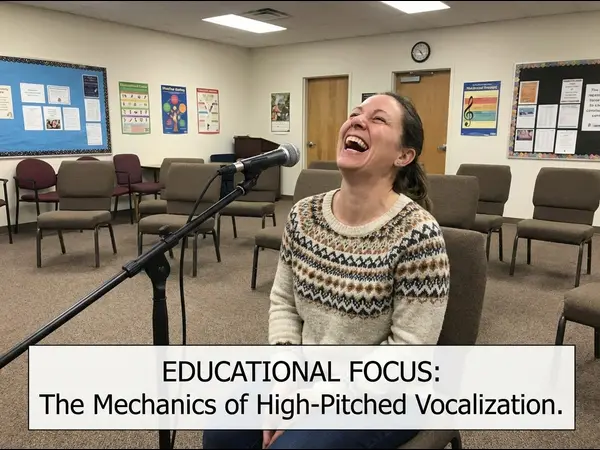
cackle
[k-akl-e]
to laugh in a high-pitched, often unpleasant manner; also refers to the sound made by chickens.

pitiable
[pit-ee-uh-buhl]
evoking or deserving pity; lamentable; miserable; contemptible

clairvoyant
[klair-voi-uhnt]
having or claiming to have the power of seeing objects or actions beyond the range of natural vision
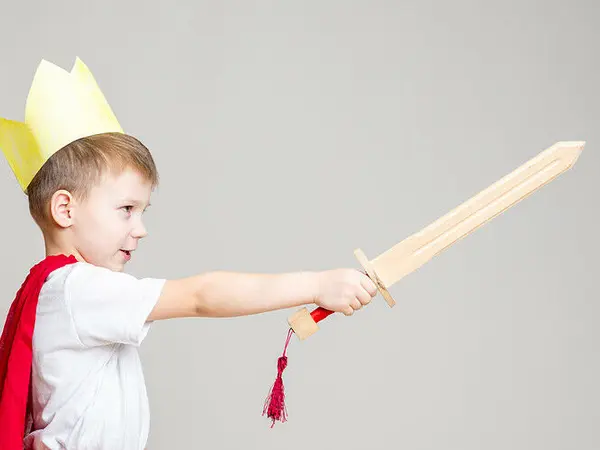
czar
[zahr]
a person of great power
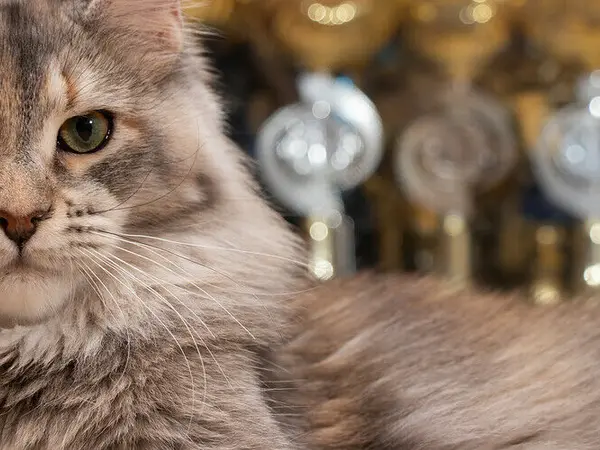
ailurophile
[ahy-loor-uh-fahyl]
a person who likes cats; cat fancier

open
[oh-puhn]
not closed or locked; accessible to others

blissful
[blis-fuhl]
extremely happy or joyful
dilly-dally
[dil-ee-dal-ee]
to waste time or be indecisive
doughty
[dou-tee]
steadfastly courageous and resolute; valiant
czar
[zahr]
(with a capital letter) the former ruler of Russia